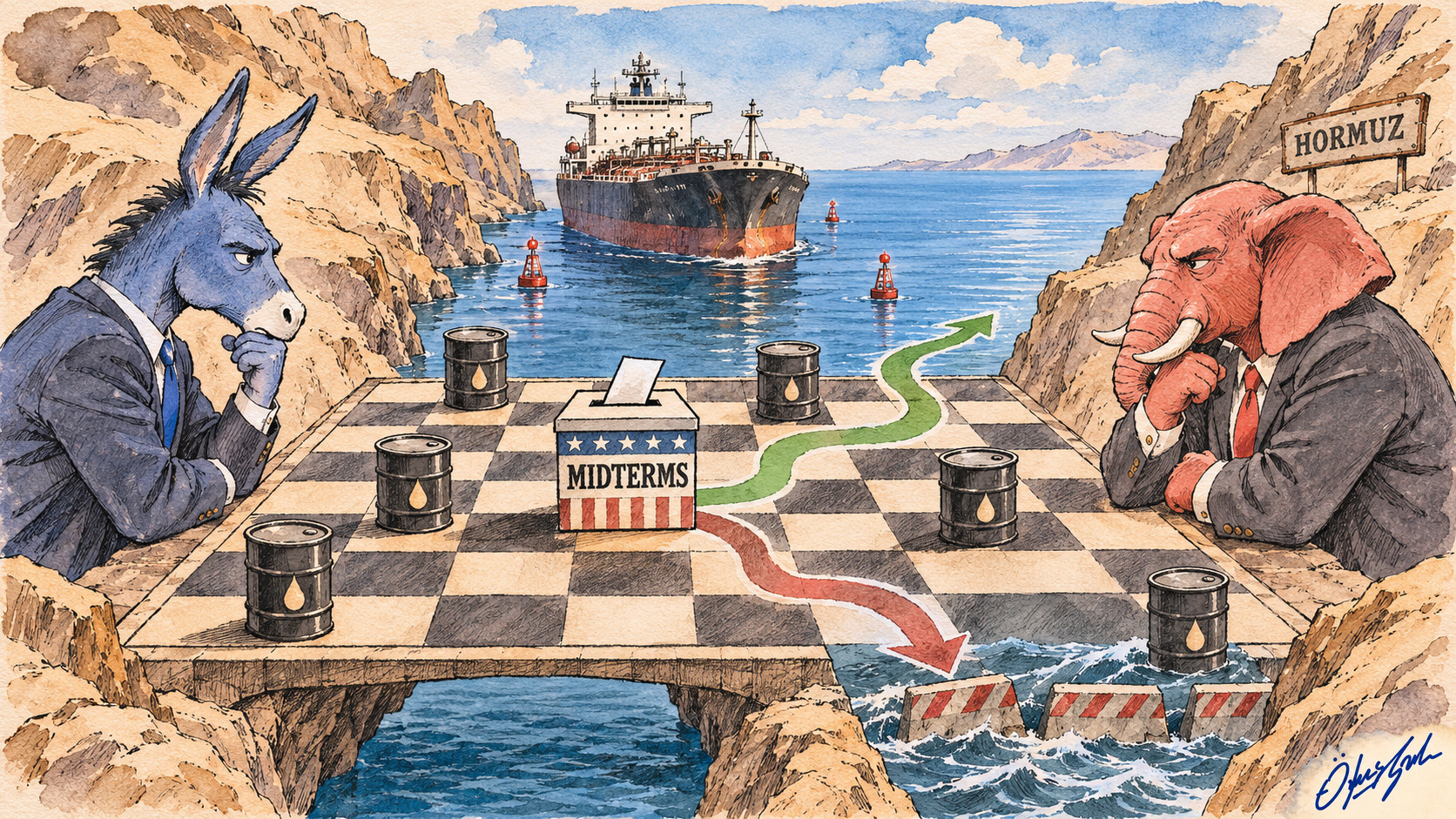

The US midterm elections have gone badly for the Republican camp, with Democrats taking control of the Senate and closing in on a House majority at the time of writing.
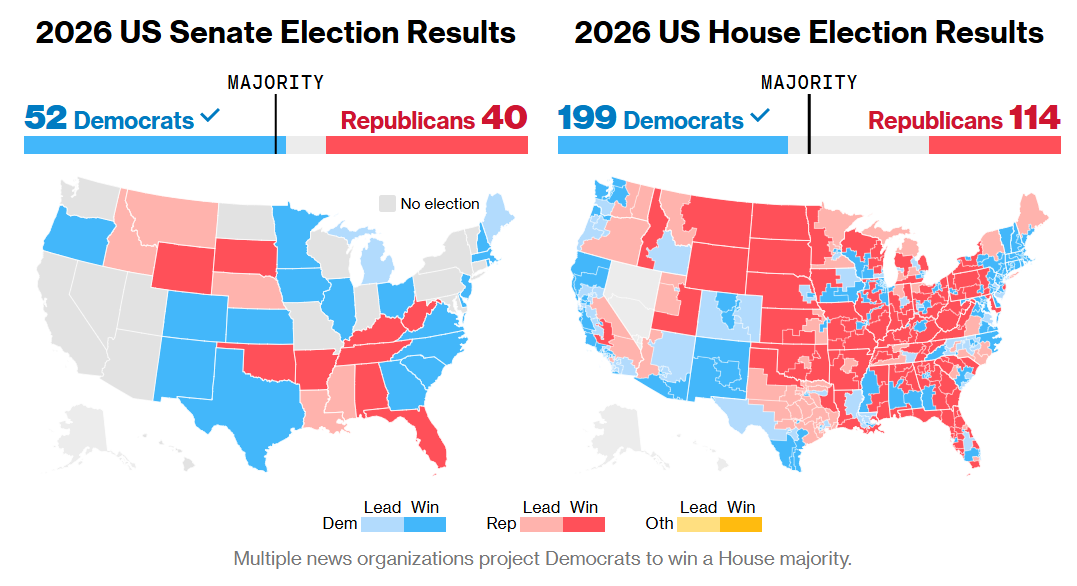
Markets are reacting globally.
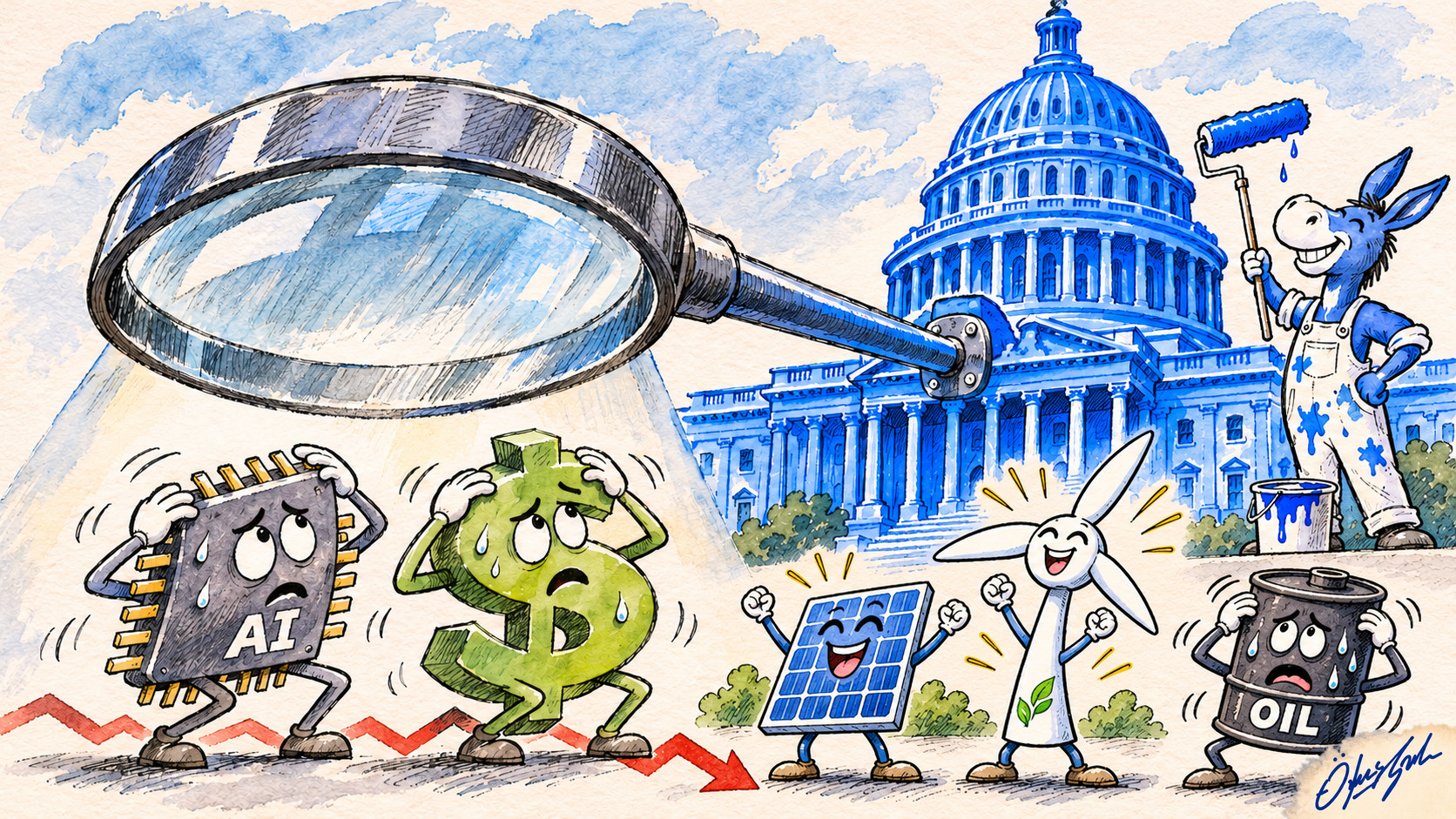
Asian equities—especially the technology-heavy indices—are down this morning, on fears of tighter scrutiny of the AI trade due to its implications for jobs and the environment. As we discussed earlier this week, the Trump administration has put its full weight behind the AI buildout, as part of its push to bring manufacturing back, Make America Great Again, and win the AI race against China.
During the final two years of Trump’s term, it will become harder to push through his legislative agenda, while support for the AI boom will likely face greater scrutiny.
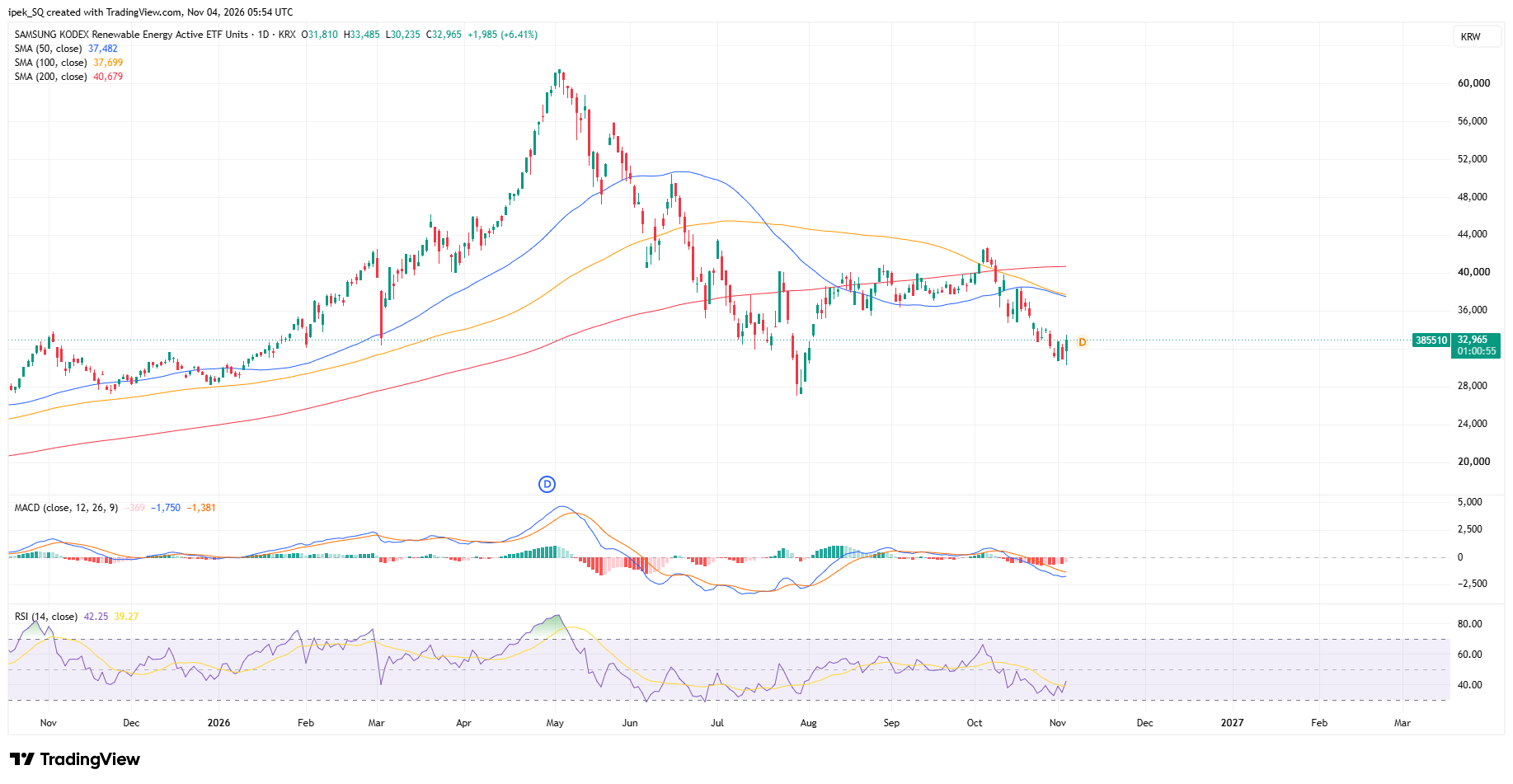
The Korean Kospi index is down around 0.21% at the time of writing, while the TAIEX, home to TSMC—the company that manufactures Nvidia’s and AMD’s advanced chips—is down more than 3.50%. That is despite an 8% rally in AMD shares during after-hours trading, as AMD beat expectations and forecast revenue growth above 80% for 2027, versus expectations of 77%. Alas, chip investors are in no mood to cheer. That’s in contrast with the climate friendly companies are doing well this morning. Samsung KODEX Renewable energy ETF is up more than 6%.
US futures are pointing to a bearish start, with Nasdaq futures leading losses. These midterm results could support a further rotation from technology to non-technology pockets of the market. The latter would also be supported by the slowdown in Mag 7 earnings growth and the higher blended earnings growth rate for the S&P 493 so far this earnings season.
In the bond market, the US 10-year yield shortly surpassed the 5% mark yesterday before easing. Investors welcomed the prospect of political gridlock, as Democratic gains reduced expectations for further fiscal expansion. Now, we’re nowhere near fixing the existing US deficit, but making additional spending or unfunded tax cuts harder to pass offers some relief—as if someone has stepped into the room and asked how the bill will be paid.
In energy, US crude is softer this morning. In the short run, developments in the Middle East will certainly outweigh US political headlines. Yet, as we discussed in detail yesterday, Democrats winning control of both chambers would increase scrutiny of the administration’s handling of the Iran war. The new Congress could use its influence over spending to challenge additional military funding and increase pressure for a diplomatic solution once it takes office in January. If, on top of that, the result is followed by credible negotiations and prospects of safer shipping through the Strait of Hormuz, oil prices could fall sustainably.
In FX, the Democrats’ strong showing is weighing on the US dollar. The greenback is falling alongside Treasury yields, as political gridlock could limit further spending and tax cuts, tempering US growth prospects. Until now, stronger US growth prospects have helped support the dollar.
Rising US real yields, alongside relatively contained inflation expectations around the Federal Reserve’s (Fed) 2% target, have been consistent with that story: stronger growth expectations have helped push US yields higher, making dollar-denominated assets more attractive.
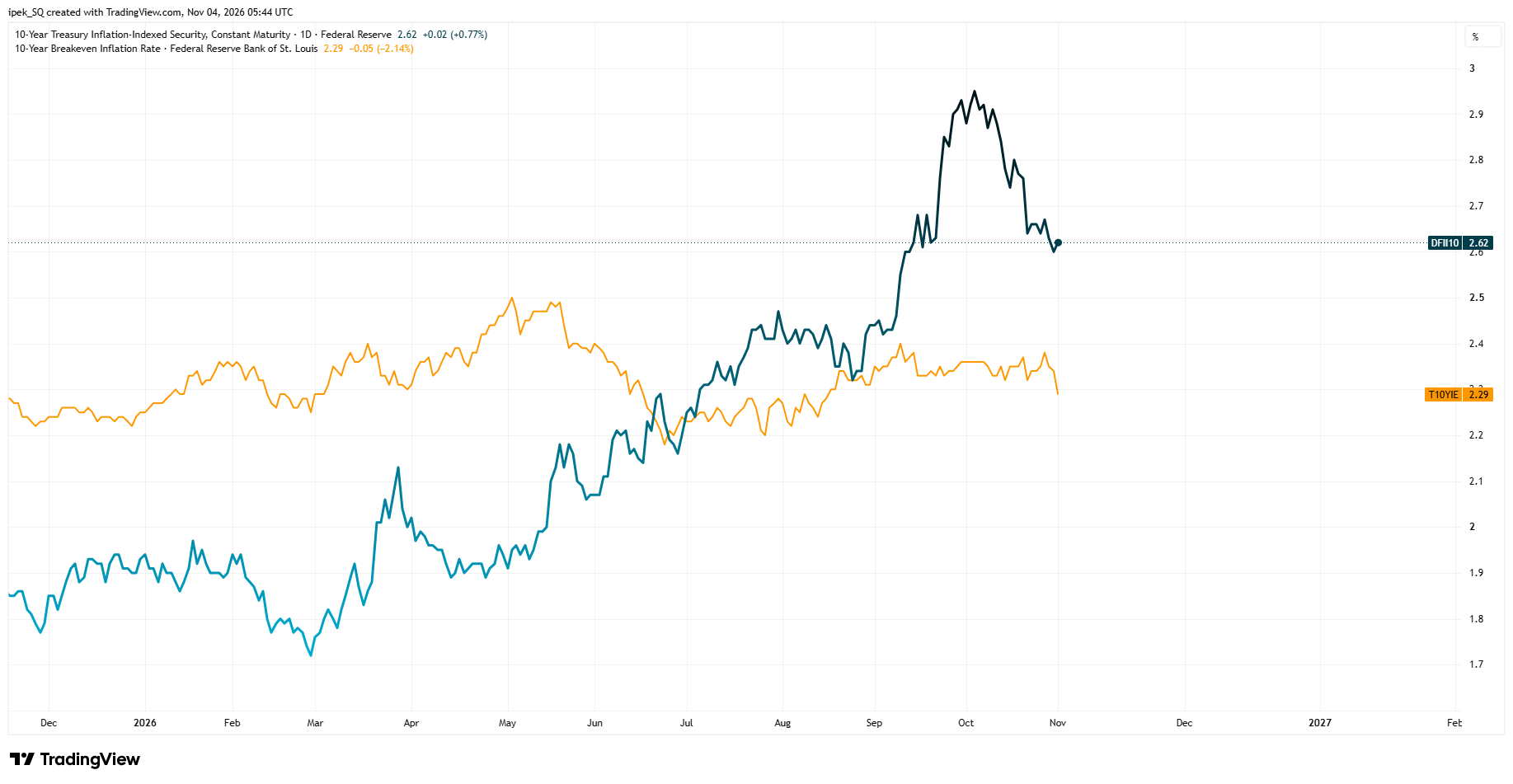
The midterm election result takes some of that support away, as less fiscal stimulus could lead to slower growth than previously expected—especially if the AI buildout slows! That would mean less upward pressure on interest rates and a softer US dollar. Now, the US won’t lose its growth advantage overnight, but changes in expectations are what move markets. Investors are reassessing today how much that growth advantage could narrow—and the more US growth expectations weaken relative to those elsewhere, the greater the downward pressure on the dollar.
In summary, the US elections are delivering a notable Democratic victory. The result is weighing on AI and technology stocks, while raising hopes of a more supportive environment for clean energy. US yields are falling on expectations of a less rapidly worsening fiscal trajectory. But less fiscal stimulus could also mean slower growth, weighing on the US dollar.
Earnings watch
Arm and Qualcomm report today after the US closing bell. Wall Street expectations differ, with Arm expected to deliver revenue growth of around 21%, supported by AI-related demand, while Qualcomm faces a roughly 10% decline. The company is expected to sell fewer smartphone chips, partly because Apple is making more of its own. Meanwhile, its newer businesses—including chips for AI PCs, cars and connected devices, alongside its emerging data-centre ambitions—aren’t yet big enough to make up the difference.
As such, the results will offer two different perspectives on the AI trade.
For Arm, investors will look for continued strength in data-centre demand. For Qualcomm, the question is whether opportunities beyond smartphones—including AI PCs and data-centre inference—can offset weakness in its traditional market over time.
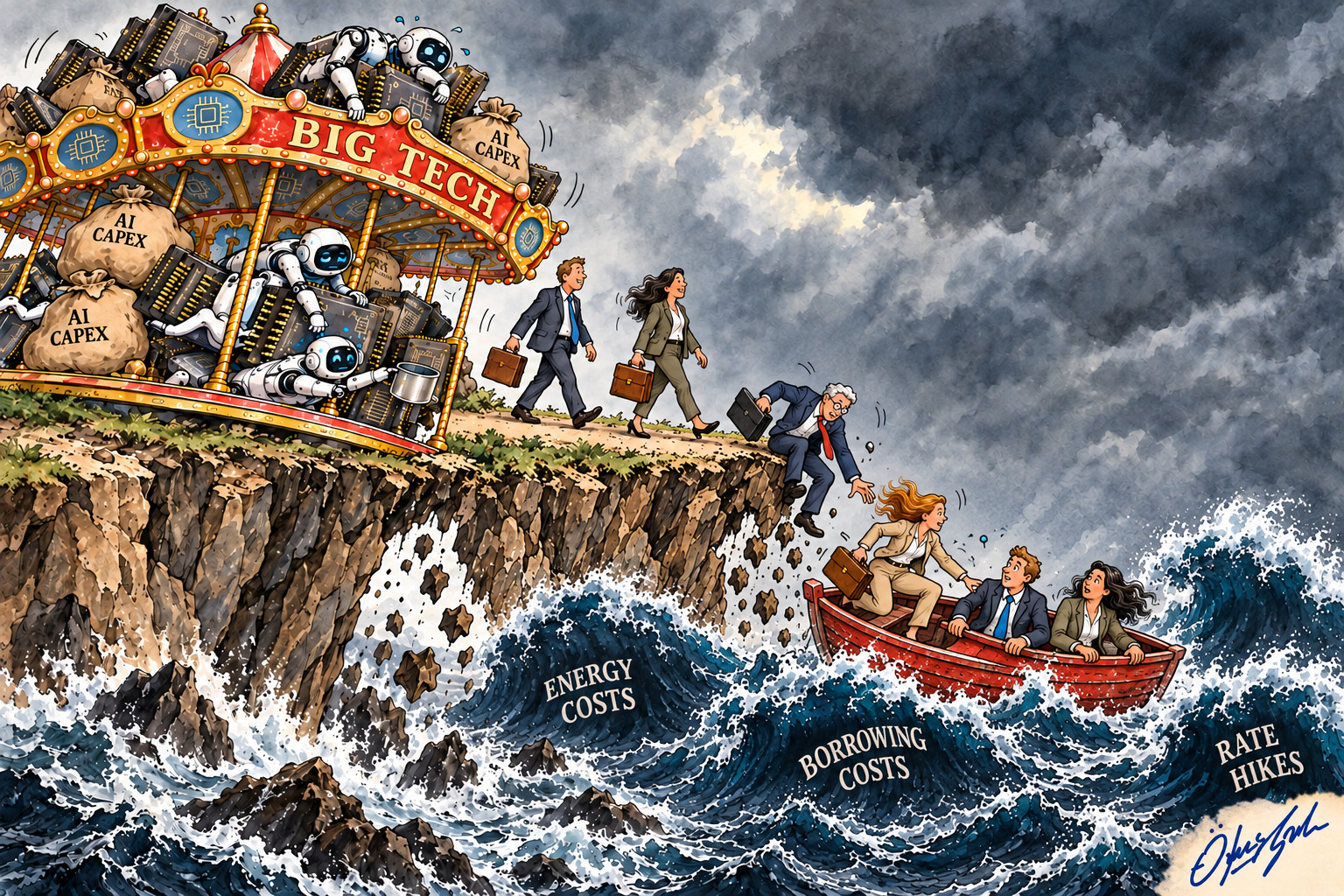
So far, chip earnings have pointed to strong data-centre demand, while PCs and some other markets remained under pressure. But even that AI strength has struggled to reassure investors who have been growing increasingly uncomfortable with the scale of AI spending and uncertain returns.
Today, the US midterm results are also adding to fears of slower investment growth, putting further pressure on AI-related stock valuations.
Therefore, even strong results may not reverse the current gloomy mood among AI investors.
The content of this website is for informational purposes only and does not constitute financial advice. All opinions expressed are solely my own and should not be considered as recommendations to buy, sell or hold any financial instruments. Readers should consult a qualified financial advisor before making any investment decisions.
With love,
Ipek Ozkardeskaya