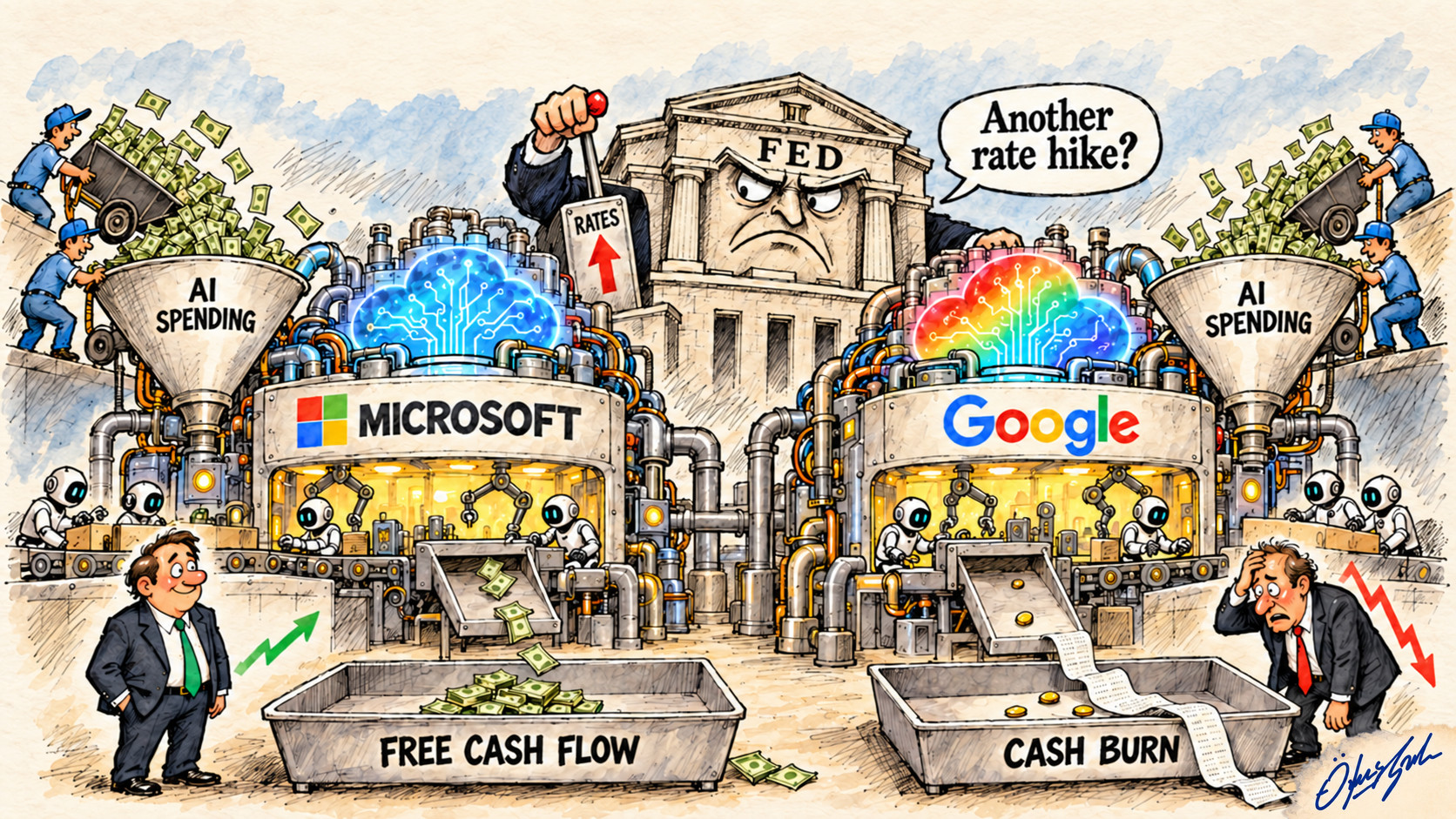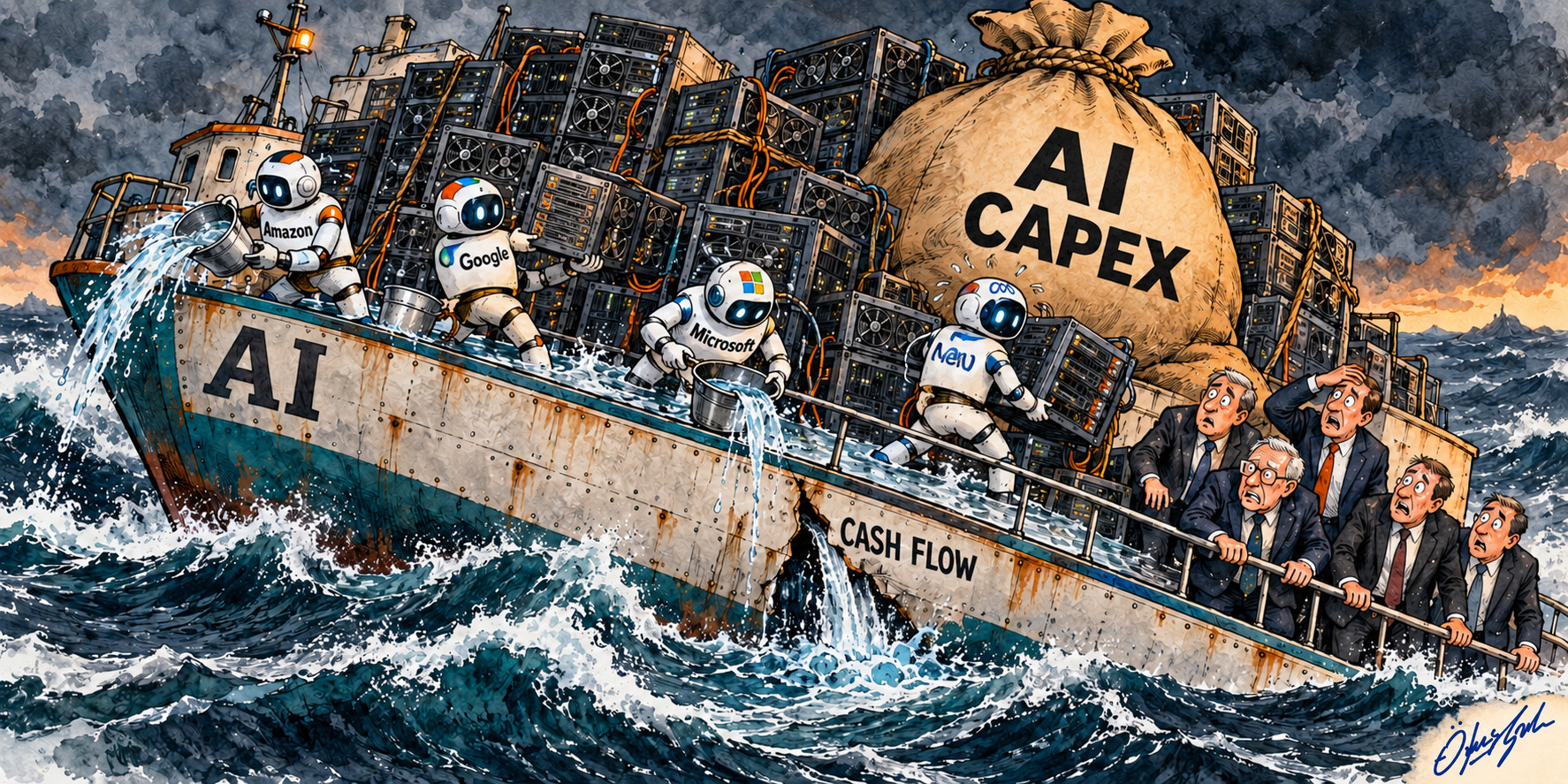

The AI boat took on more water on Thursday as Google lost nearly half a trillion dollars in market value after revealing disappointing growth in its search and advertising revenue while spending huge amounts on AI. The 103% growth in Google Cloud revenue went largely unheard. Microsoft reversed its post-earnings gains and finished the session with a slight loss, despite its $25bn bond sale attracting $115bn of orders — 4.6 times the offering’s size.
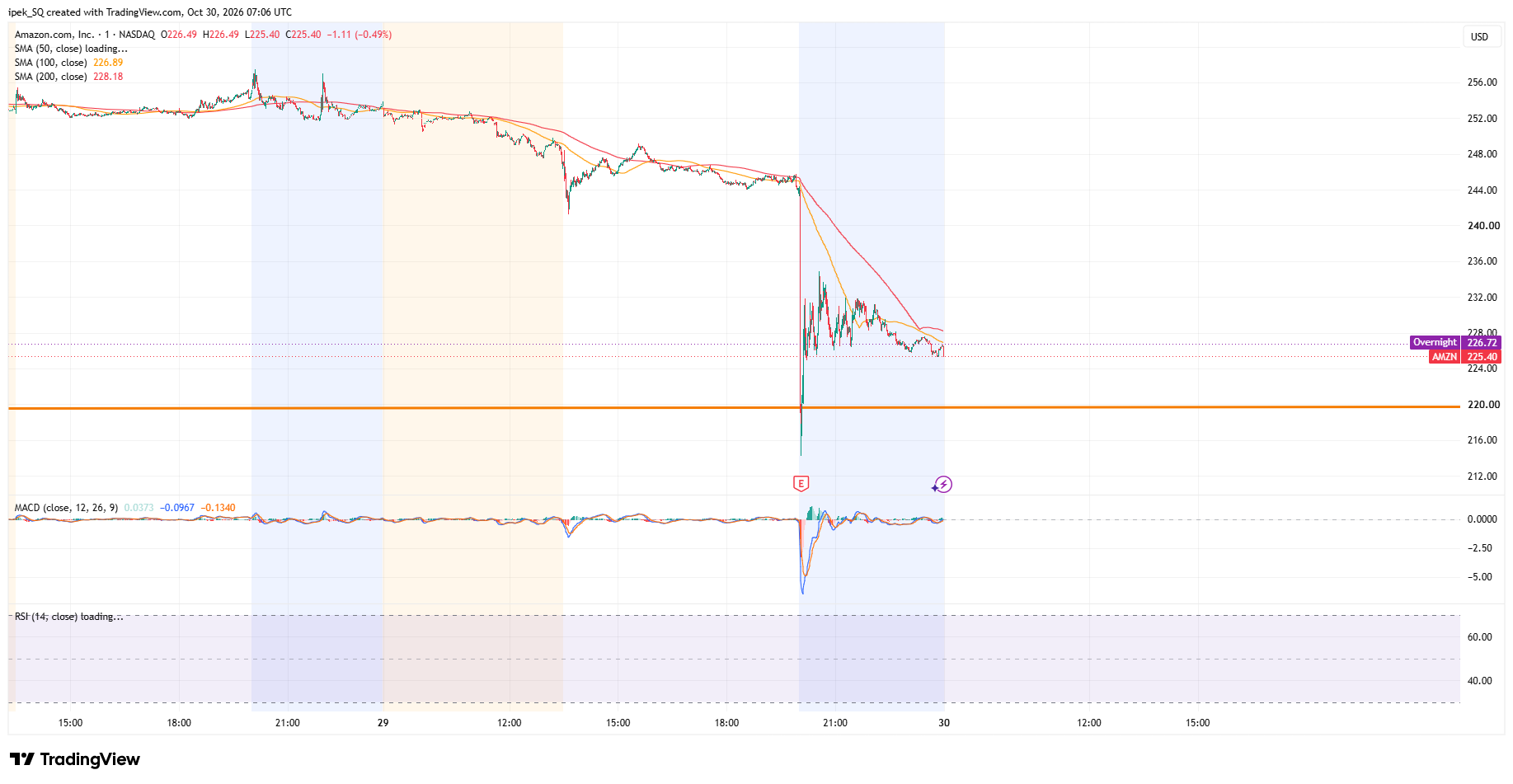
Then Amazon and Intel joined the companies disappointing their investors after the bell. Intel tumbled more than 20% as demand for PC processors and supply chain disruptions weighed on its sales forecast. Amazon, on the other hand, fell more than 7% in after-hours trading after announcing that its free cash flow fell to negative $42.4bn in the 12 months ended September 30, from positive $14.8bn a year earlier. AWS revenue grew 39% — that’s a strong number — but the massive investment needed to deliver it overshadowed that growth. How massive? Amazon expects to spend $200bn in capex this year, with spending expected to rise by another $220bn next year. Like Google’s, Amazon’s ad revenue growth underwhelmed: it grew only 12% year-on-year, compared with 26% in the previous quarter.
There is also talk that AI agents could take a slice of Amazon’s e-commerce cake. Instead of going straight to Amazon, shoppers could ask an AI assistant to find a product, compare prices and buy it wherever the deal is best. That could mean fewer sales for Amazon, but also less advertising revenue if people stop browsing its pages and seeing sponsored products. So it’s easy to see why Amazon was quick to block outside shopping agents: it wants to keep shoppers — and the money they bring — to itself, on its platform.
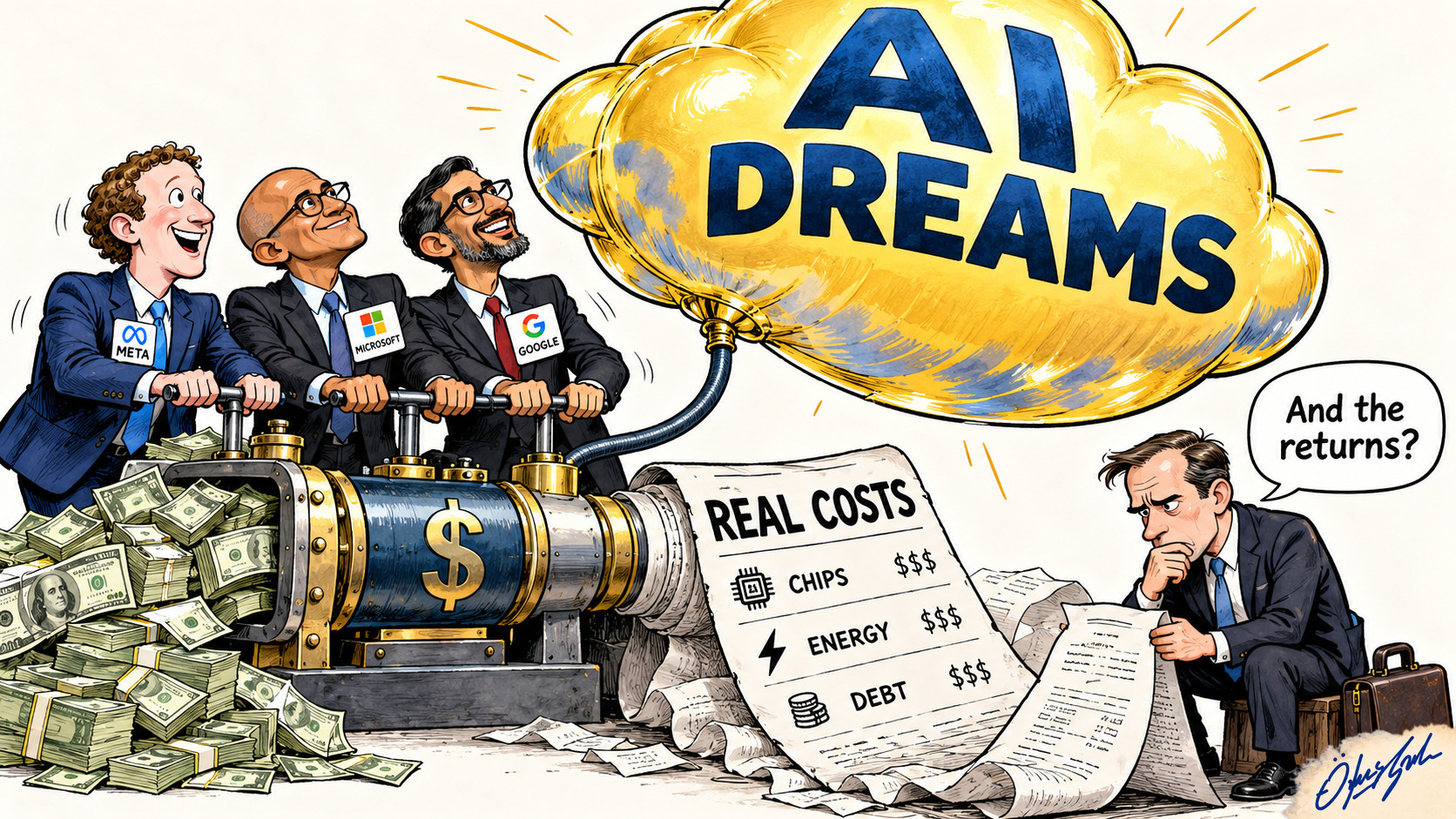
All in all, if we summarise the Big Tech results: cloud growth was strong, but the companies are spending huge amounts to deliver that growth. Together, Amazon, Google, Microsoft and Meta spent more than $200bn on capital investment in the third quarter alone. That brings the bill to just over $500bn in the first nine months of the year, with full-year spending expected to reach around $735bn. The AI race is getting very, very expensive.
As a result, free cash flow is coming under pressure, with Google reporting negative quarterly free cash flow and Amazon reporting deeply negative free cash flow over the past 12 months. That raises the prospect of greater reliance on equity and debt issuance to fund future investments. Yes, the latest equity and debt offerings from Meta and Microsoft showed that investor demand remains very strong, but unease is growing, especially in the credit markets.
I will open a little parenthesis here: the amount of leveraged loans trading below 80 cents on the dollar has nearly doubled over the past year, according to recent data, signalling growing concerns about heavily indebted borrowers’ ability to repay. These discounts reflect credit risk linked to factors including weaker earnings, excessive debt and refinancing difficulties. Rising borrowing costs certainly don’t help, particularly as leveraged loans generally carry floating rates, meaning interest payments increase when benchmark rates rise.
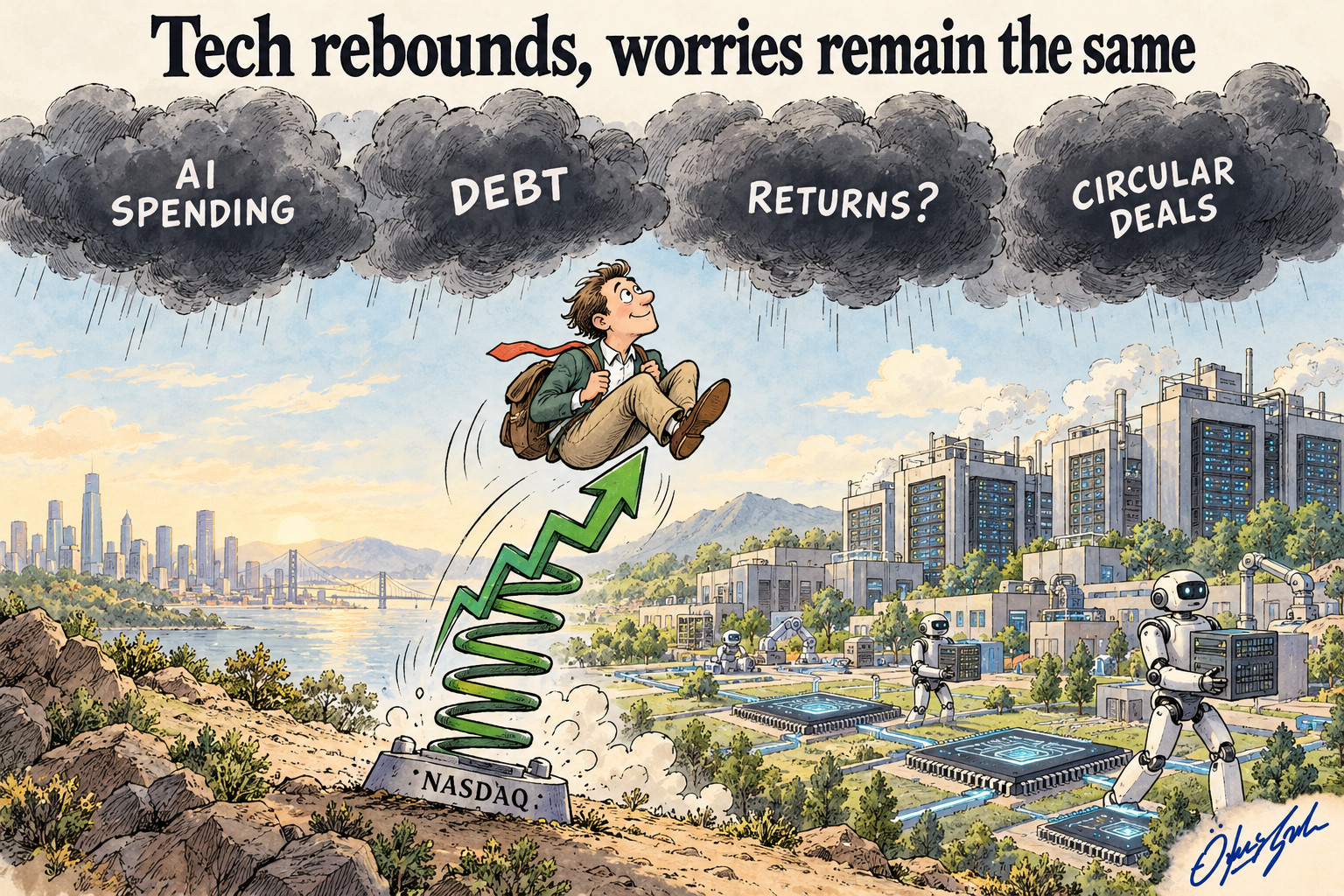
Coming back to tech and AI, that’s an increasingly uncomfortable backdrop for the increasingly debt-financed AI buildout. AI infrastructure requires enormous upfront investment, and even though there is evidence that demand is strong — very strong — it doesn’t automatically guarantee attractive returns. Uh-hummm. Moving forward, the risk is that higher financing costs will absorb more of the cash generated, leaving less to fund expansion and repay debt. Prospects of further policy rate hikes add to that pressure while investors are still waiting for those enormous investments to pay off.
It’s hawkish
As expected, and like the Federal Reserve (Fed), the European Central Bank (ECB) left interest rates unchanged this week, keeping its deposit rate at 2.50%. But it pointed to high energy prices and left the possibility of another rate hike in December on the table. Today, the Bank of Japan (BoJ) kept rates unchanged at 1.25%, as expected, but raised its inflation forecast and signalled that further rate hikes remain on the table.
Earlier in the week, the Reserve Bank of New Zealand (RBNZ) also kept its rates unchanged — unexpectedly in this case — citing global uncertainties weighing on domestic demand, while the Bank of Canada (BoC) hiked by 25bp. In Australia, a hotter-than-expected inflation print reinforced hawkish Reserve Bank of Australia (RBA) expectations, with a rate hike broadly expected next week and markets assigning more than an 80% probability to a 25bp increase to tame inflation pressures.
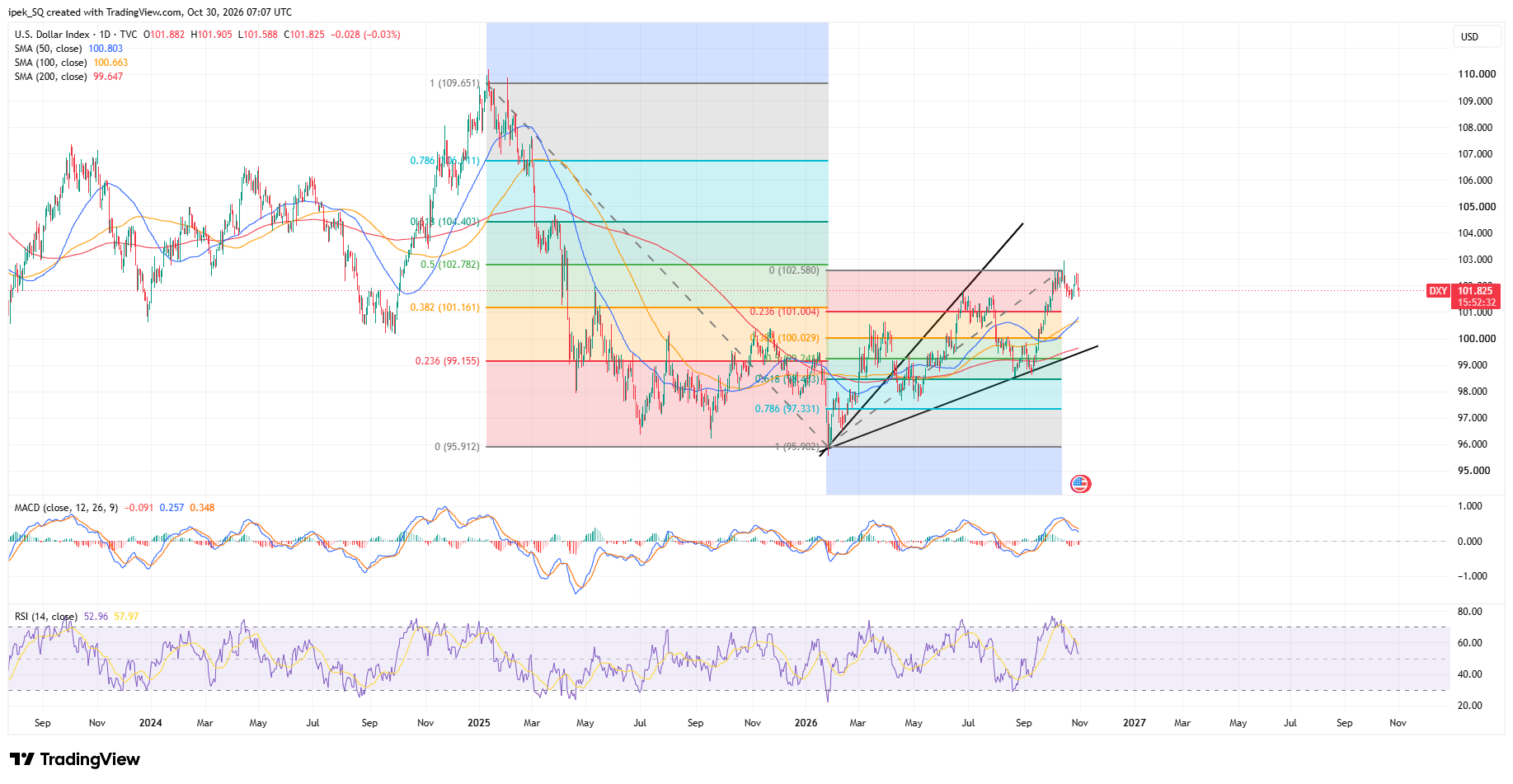
The hawkish stance of major central banks narrowed the policy divergence with the Fed, which also kept rates unchanged ahead of next week’s US midterm elections, and weighed on the US dollar.
Globally, the monetary policy outlook remains hawkish, and this week’s pauses don’t mean that the tightening cycle is over. Elevated energy prices continue to cloud the global inflation outlook, while the bond market is doing some of the tightening for policymakers. That’s especially true in the euro area, but it is also the case elsewhere: higher sovereign yields feed through to borrowing costs for businesses and households, weighing on activity and potentially limiting the spread of energy inflation into broader prices.
But broadly, rate hikes are less worrying where growth is strong than where economic activity is under pressure from high energy prices and rising borrowing costs. Yesterday’s data showed that US GDP grew at a stronger-than-expected annualised rate of 3.4% in Q3, up from 2.2% in the previous quarter. If most major central banks turn to rate hikes, relatively stronger US growth could give the dollar an edge over its major peers.
The content of this website is for informational purposes only and does not constitute financial advice. All opinions expressed are solely my own and should not be considered as recommendations to buy, sell or hold any financial instruments. Readers should consult a qualified financial advisor before making any investment decisions.
With love,
Ipek Ozkardeskaya