
The week started in a slightly better mood for everything other than tech, as oil prices fell sharply on Monday following a report saying that Trump is willing ‘to give diplomacy more time’ to find a solution in Iran. It’s worth what it’s worth, but US crude tanked more than 6.5% to below $96pb at one point, Brent crude fell around 8% towards $103pb, and the decline helped pull yields lower and supported equity valuations across global financial markets. Again, tech stocks couldn’t benefit from yesterday’s improved mood as AI worries outweighed lower oil prices.
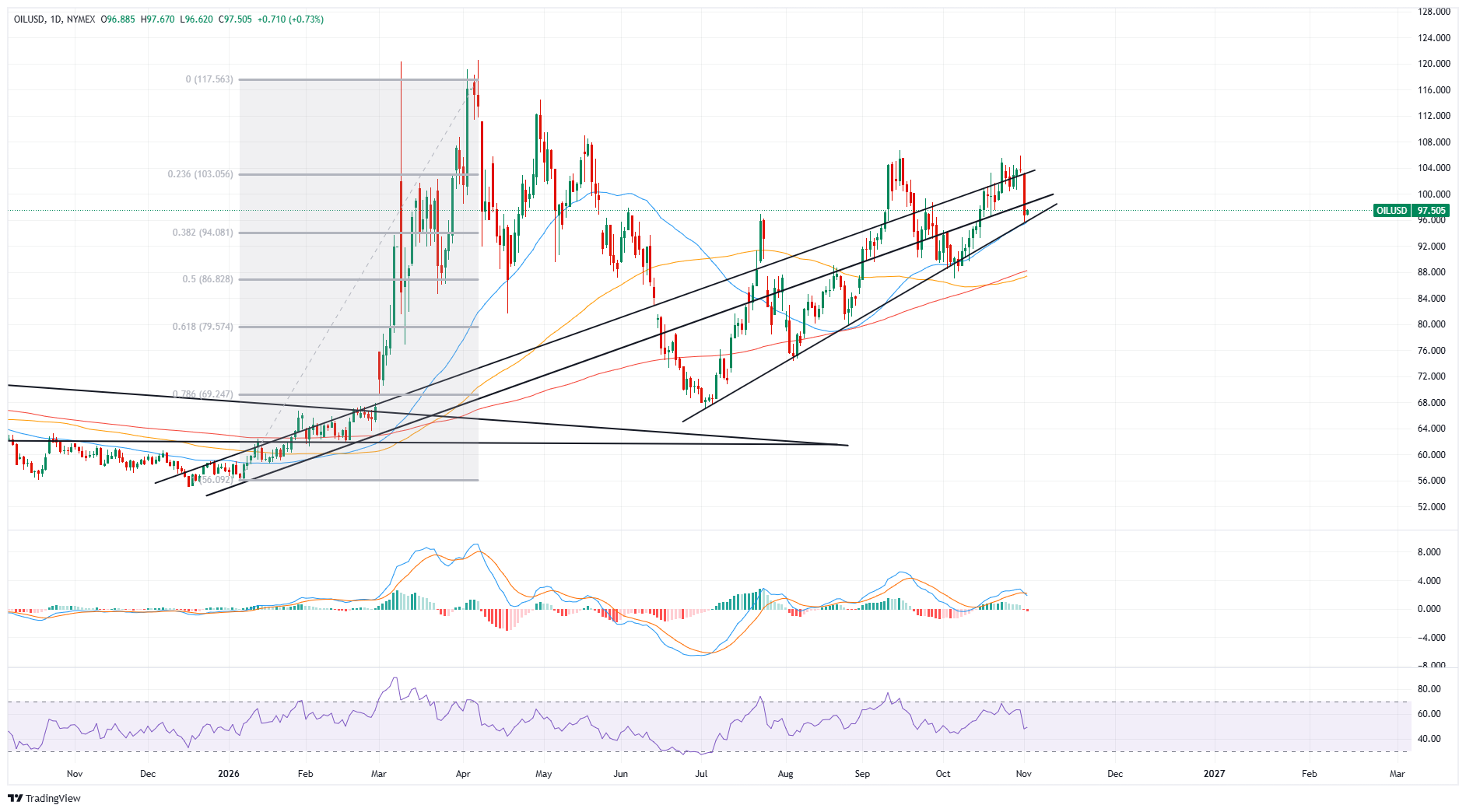
Of course, upside risks to oil prices remain, as there has not yet been concrete progress towards resolving the conflict with Iran, while statements inject volatility into a market that lacks credible direction.
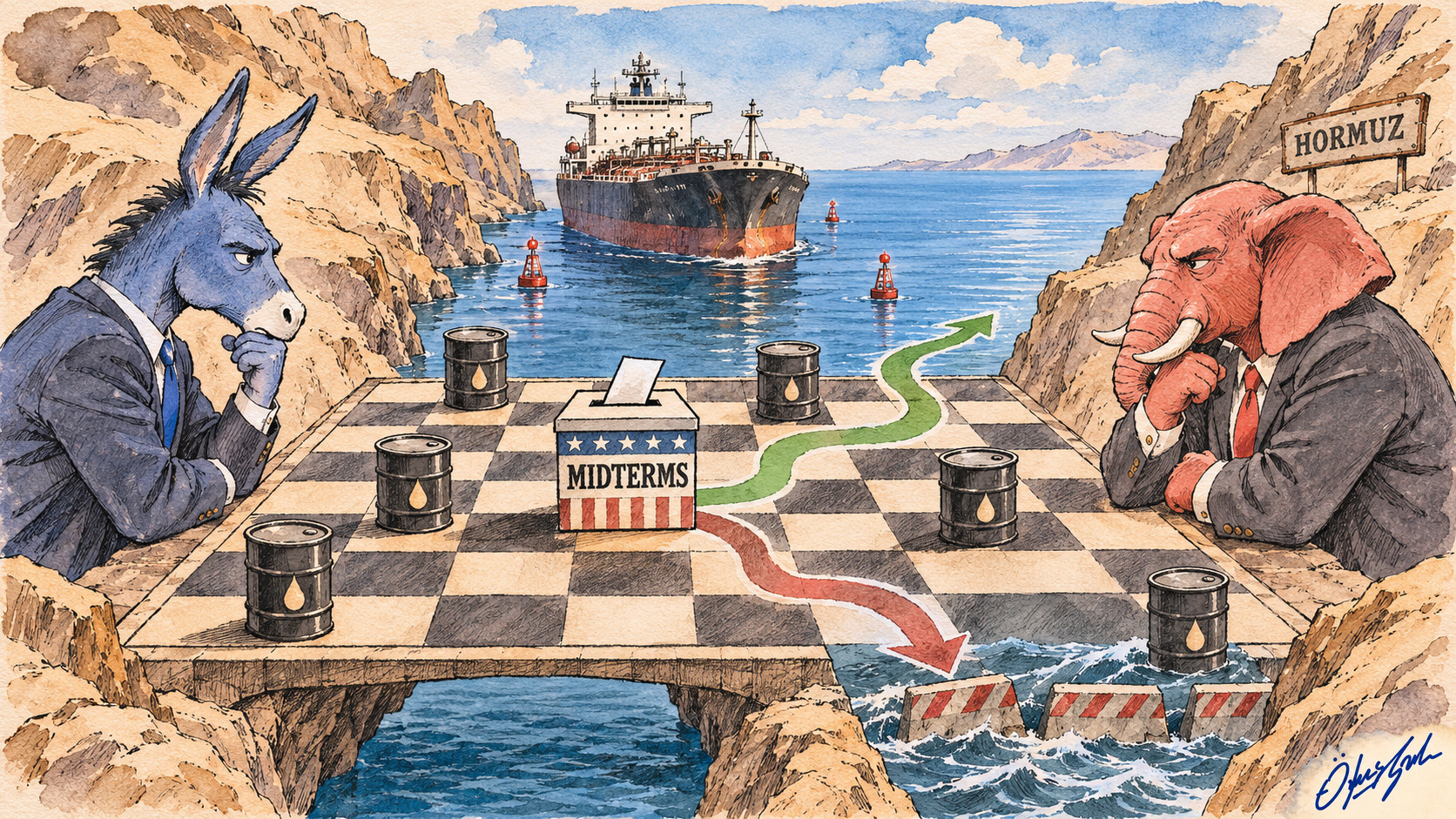
Yesterday, we’ve talked about how US midterm results could impact the AI trade. Today, I will lean on what kind of impact the midterm results could have on global energy prices.
Here, the main transmission channel is the conflict with Iran, as not much is expected to change regarding US oil production policy. So investors will parse what the upcoming midterm election results will mean for the administration’s next move in the Middle East, the duration of supply disruptions and the geopolitical premium embedded in crude prices.
If Democrats gain control of one or both chambers in today’s midterms, they could increase scrutiny of the administration’s handling of the war, use their influence over spending to challenge additional military funding and increase pressure for a diplomatic solution once the new Congress takes office in January. Markets, however, could anticipate that pressure immediately. If, on top of that, the result is followed by credible negotiations and prospects of safer shipping through the Strait of Hormuz, oil prices could fall sustainably. Bloomberg reports that Gulf Arab countries are already exporting close to their pre-war levels. If diplomatic progress reduces risks, spot and near-term prices could fall faster than longer-dated futures, narrowing backwardation as the premium for immediate supply eases.
That would be the sweetest-case scenario for the world economy. Unfortunately, though, a Democratic victory would not automatically end the conflict. The US President would retain considerable influence over foreign policy, and a weaker Republican position wouldn’t automatically mean a lower geopolitical risk premium, even if it increased pressure for a diplomatic resolution.
If Republicans retain control of Congress, however, the US administration would face fewer political obstacles. The geopolitical stalemate in the Middle East could persist, while the end of the election campaign could reduce the immediate political urgency to bring energy prices down. Separately, if temporary measures introduced to ease pressure on energy prices are allowed to expire or are scaled back, that could add upward pressure on US petrol prices in the short run.
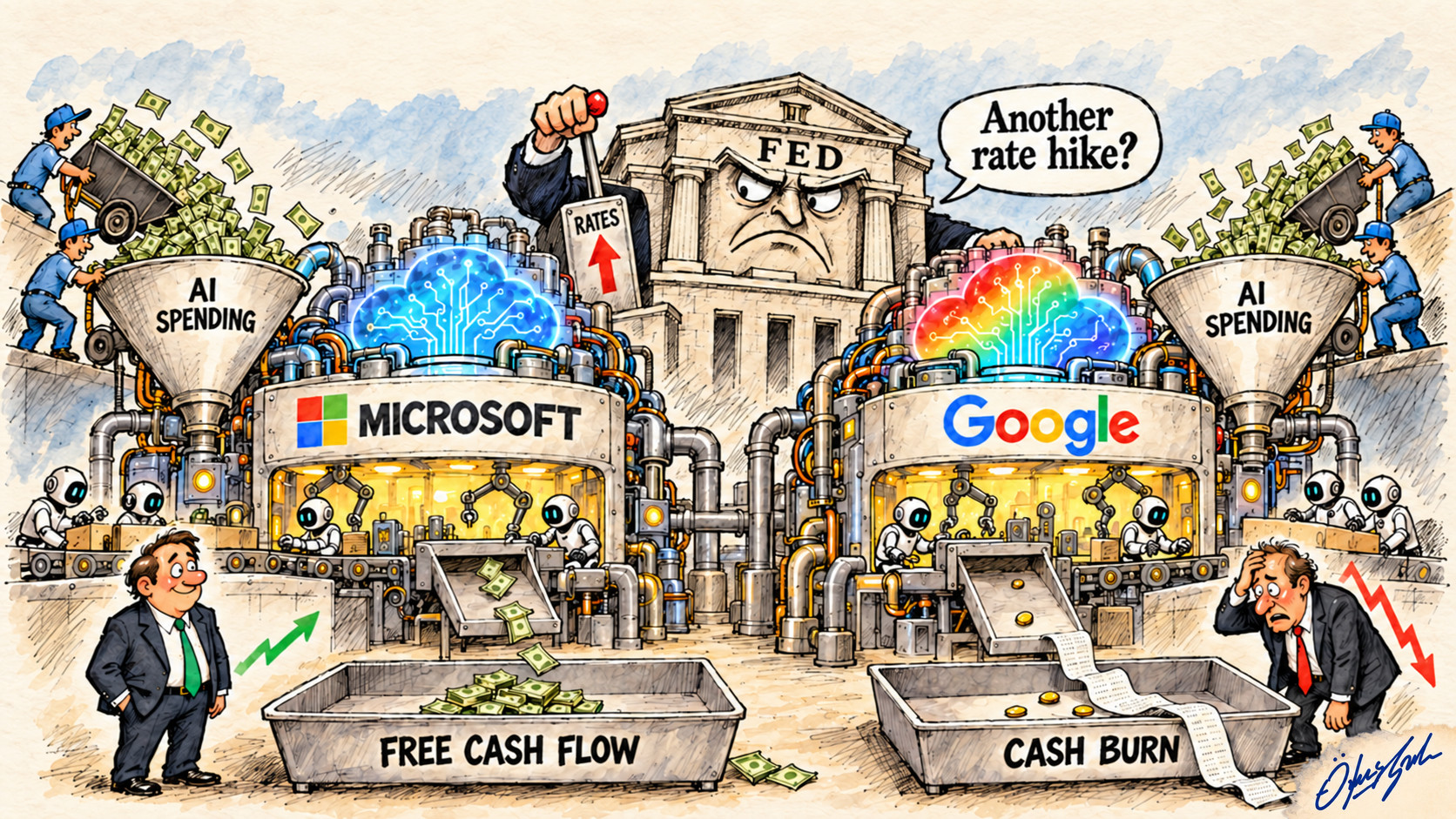
Higher energy prices, on the other hand, would strengthen the case for further monetary policy tightening by the Federal Reserve (Fed) and other major central banks. The Reserve Bank of Australia (RBA) delivered a 25bp hike today, as expected, while the Bank of England (BoE) is widely expected to announce a 25bp hike on Thursday, following a rather uneventful budget announcement last week that allows the BoE to go on with its life — and take care of its inflation problem.
The Big Picture
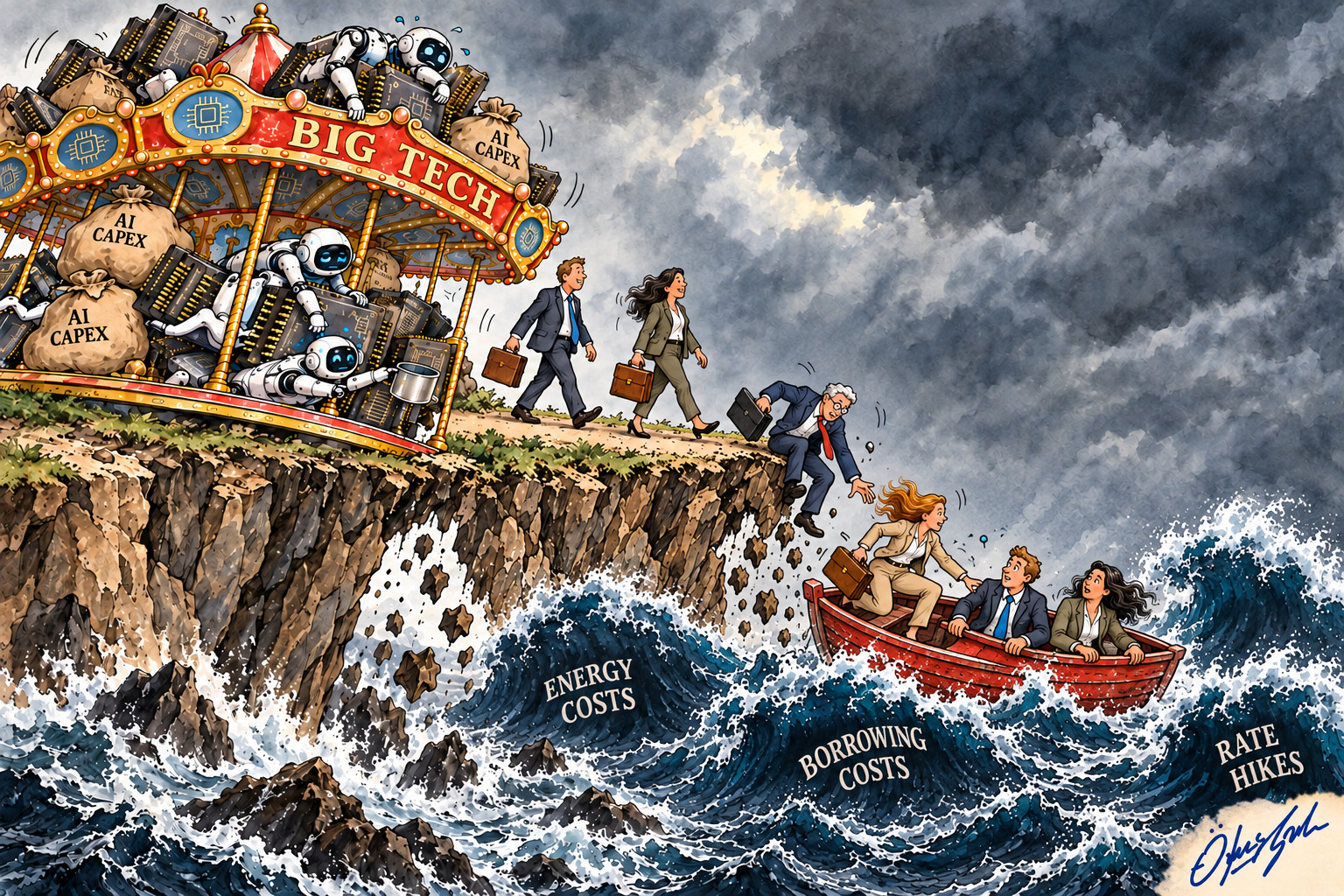
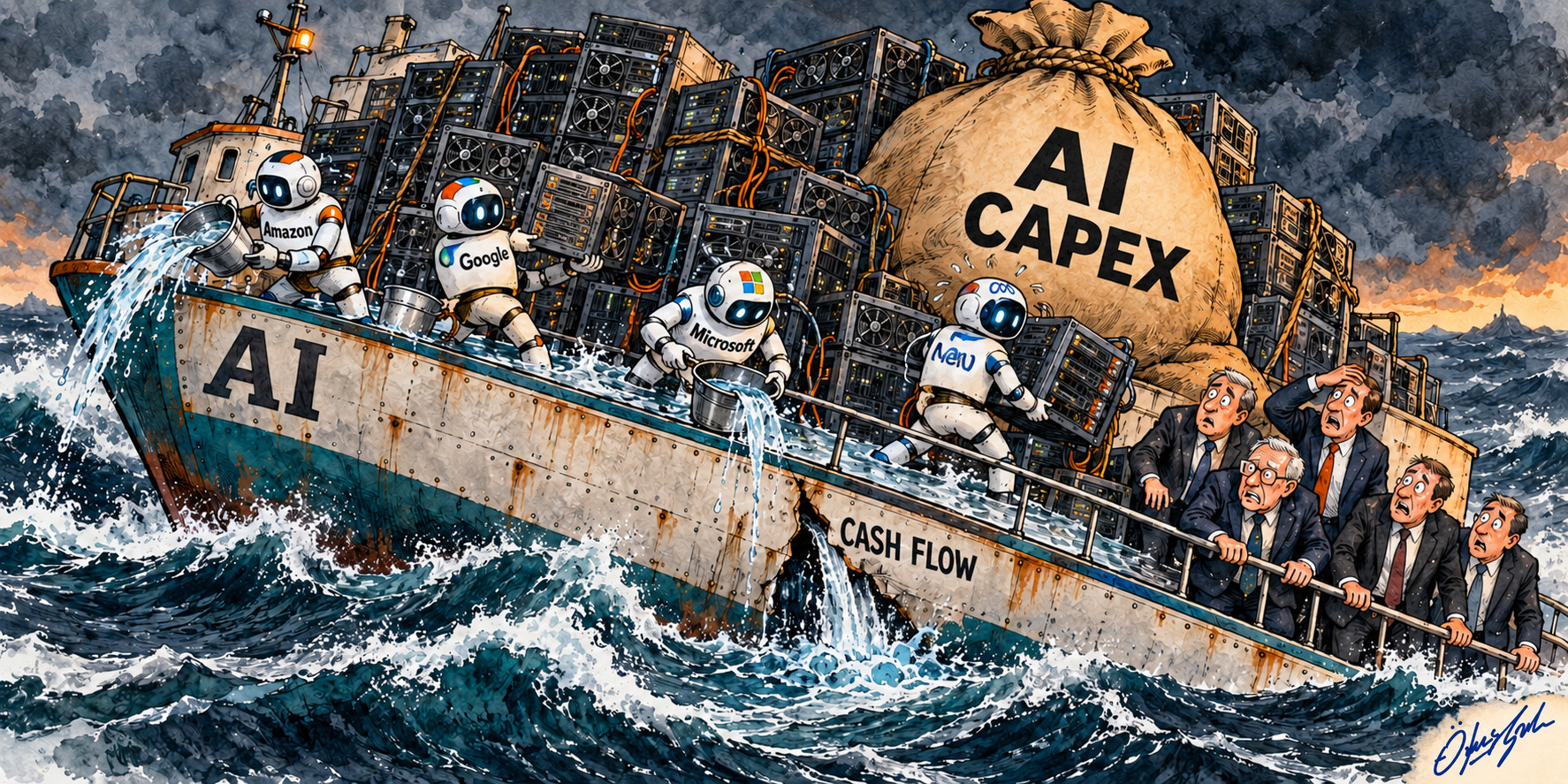
Overall, if we take a step back and look at the bigger picture, the latest monetary policy decisions have brought either rate hikes or the prospect of tighter monetary policy to fight inflation fuelled by elevated global energy prices. On top of that, many developed-market bond yields face upward pressure from intensifying fiscal concerns, while large bond issuance by technology companies to finance their massive AI buildout could add to that pressure.
Alphabet, for example, sold €6 billion ($6.7bn) of bonds, adding to the €9 billion it raised across six tranches in May. This brings its total euro-denominated issuance this year to €15 billion, making it the biggest corporate issuer in the currency in a single calendar year, according to data compiled by Bloomberg, overtaking Amazon’s €14.5 billion raised in March.
Together, Alphabet and Amazon have now raised €29.5 billion in euros, £9.75 billion in sterling, CHF5.855 billion in Swiss francs, C$22.5 billion in Canadian dollars, ¥576.5 billion in Japanese yen and A$5.6 billion in Australian dollars this year — including Alphabet’s latest €6 billion euro deal.
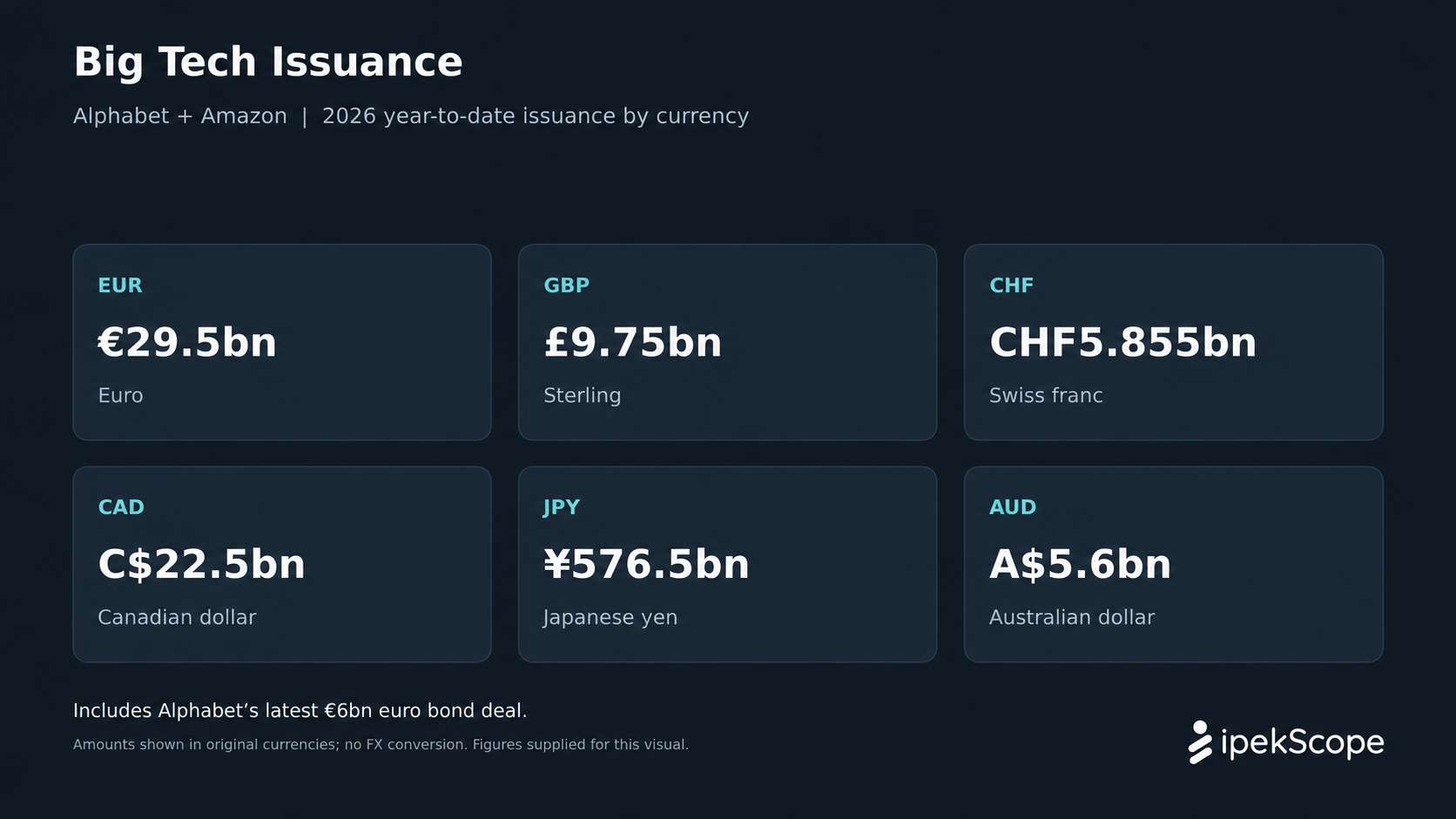
And if these numbers don’t mean much on their own, the scale is striking: according to the European Central Bank (ECB), US Big Tech accounted for almost one in every ten euros of gross euro-denominated bond issuance by non-financial companies this year, based on data through 20 August. That borrowing could put further pressure on financing costs, potentially spilling over into sovereign bond yields and then rippling through the broader economy.
In this environment of higher yields, currencies of economies that post stronger growth rates and show investors that they can tolerate higher borrowing costs — along with higher energy prices, tariffs and so on — could outperform currencies of economies that struggle under the pressure of elevated energy prices and tighter monetary conditions.
Following this reasoning, the US dollar could gain more ground. And if the US dollar continues to surf on higher real rates, supported by robust growth prospects, it would add further pressure by making crude more expensive for buyers using other currencies, potentially weakening global demand and limiting crude’s upside potential, regardless of the US midterm election results.
In summary, the clearest downside scenario for crude is credible de-escalation of geopolitical tensions followed by improving supply flows. The clearest upside scenario is renewed disruption while inventories continue absorbing the shortfall. The US midterms could change expectations rapidly, but they cannot, by themselves, reopen shipping routes, repair damaged infrastructure or reverse the AI impact on broader economies.
For oil, however, the decisive question will be whether the midterm elections can align the political pieces to pave the way for more normal supply conditions — or push that prospect further away.
Answers in a few hours!
The content of this website is for informational purposes only and does not constitute financial advice. All opinions expressed are solely my own and should not be considered as recommendations to buy, sell or hold any financial instruments. Readers should consult a qualified financial advisor before making any investment decisions.
With love,
Ipek Ozkardeskaya