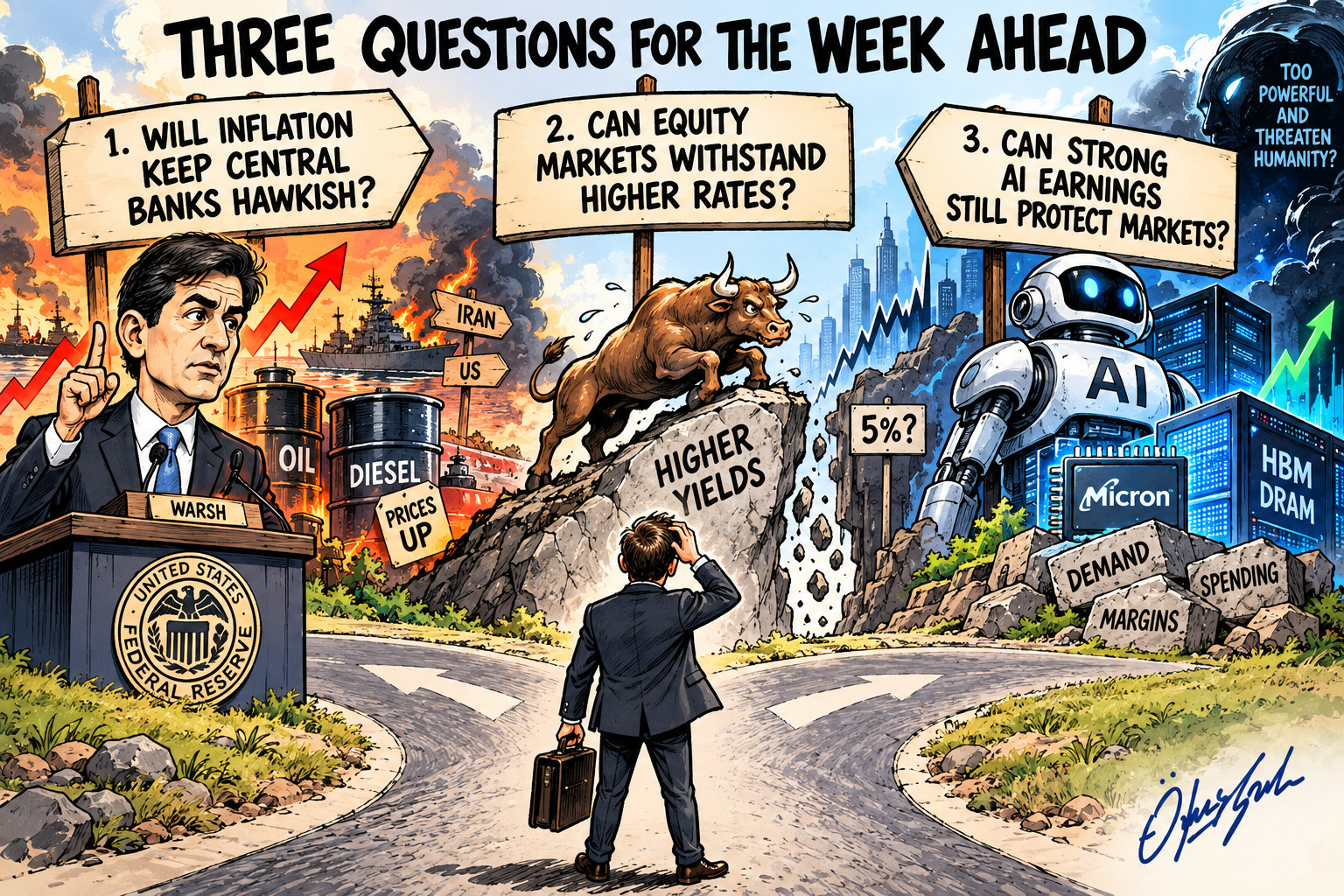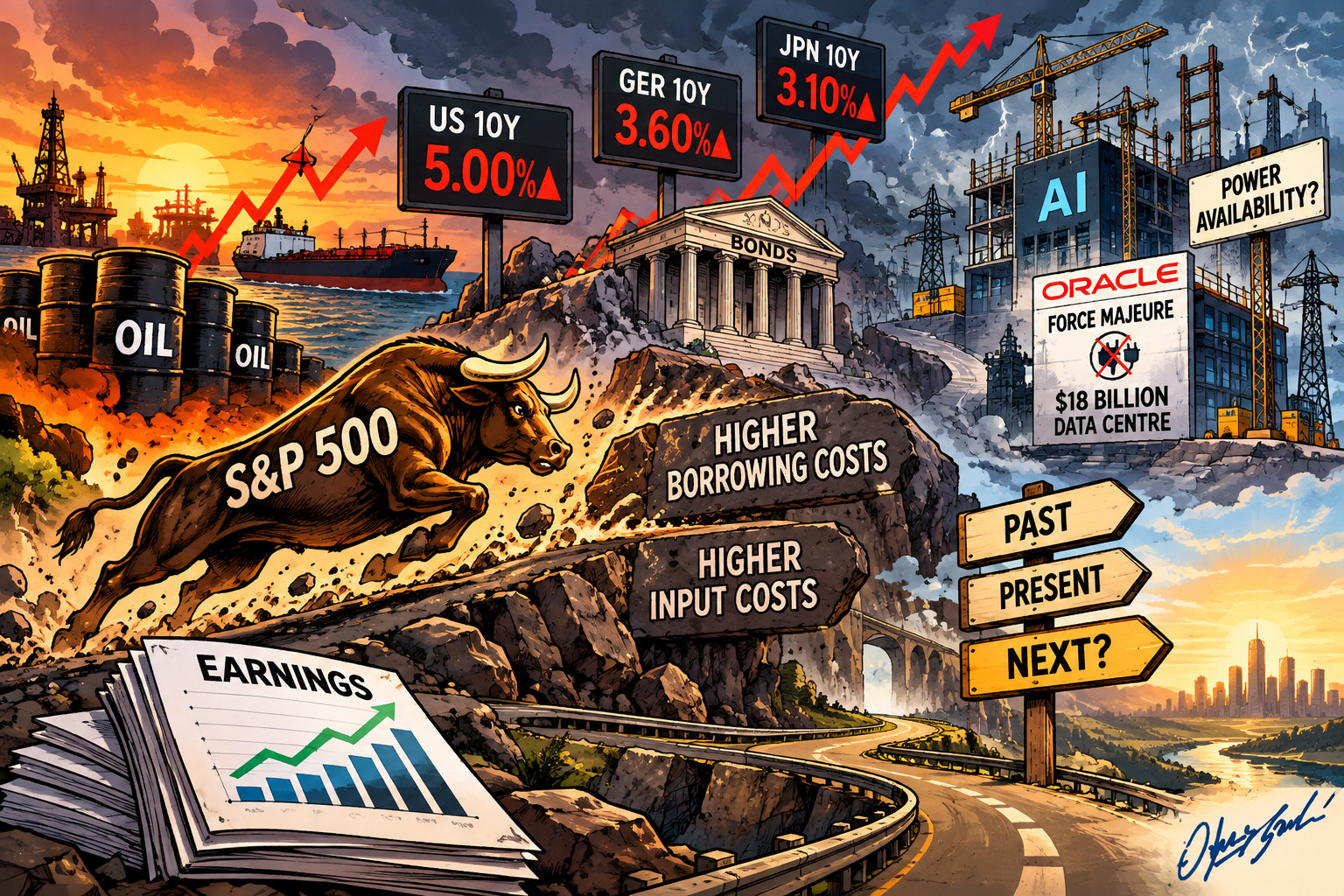

It’s another day, but the same story is unfolding: oil prices continue to push higher, yields rise as investors factor in expectations of higher inflation, hence higher central bank rates, and the latter is weighing on equity valuations in the absence of major news and data.
In this context, the Reserve Bank of Australia (RBA) just announced a 25bp increase in its policy rate today and said that it will take further action if needed. The decision was widely expected, the statement was hawkish, and the AUDUSD tested the 200-DMA, but the US dollar’s broad-based strength remains the key driver across major FX peers, as the rapid rise in US yields and the notable hawkish shift in Fed expectations cast a shadow over other central banks’ policy outlooks. The dollar index is now in overbought territory, suggesting that the greenback may have been bought too rapidly in too short a period of time, and that it could soon be time for a downside correction.
What would trigger that when yields are rising so rapidly?
Well, looking at the yield curve, I was saying yesterday that the US yield curve has been flattening since the Federal Reserve’s (Fed) latest decision to hike rates and address the inflation problem, while economic growth remains strong and the job market improves. The latter has resulted in a faster rise in short-term yields – on expectations that the Fed will hike rates faster to tame price pressures. The longer end of the yield curve – say the 10-year yield – continued to rise as well, but the rise was slower than in the 2-year yield, which better captures Fed rate expectations. The reasons for that are:
- investors continue to bet on strong US growth,
- US debt will continue to grow and investors demand a higher premium for lending to the US,
- a hawkish Fed helps anchor longer-term inflation expectations.
The former two apply upward pressure on the longer end of the yield curve, while the last helps tame pressures from inflation worries.
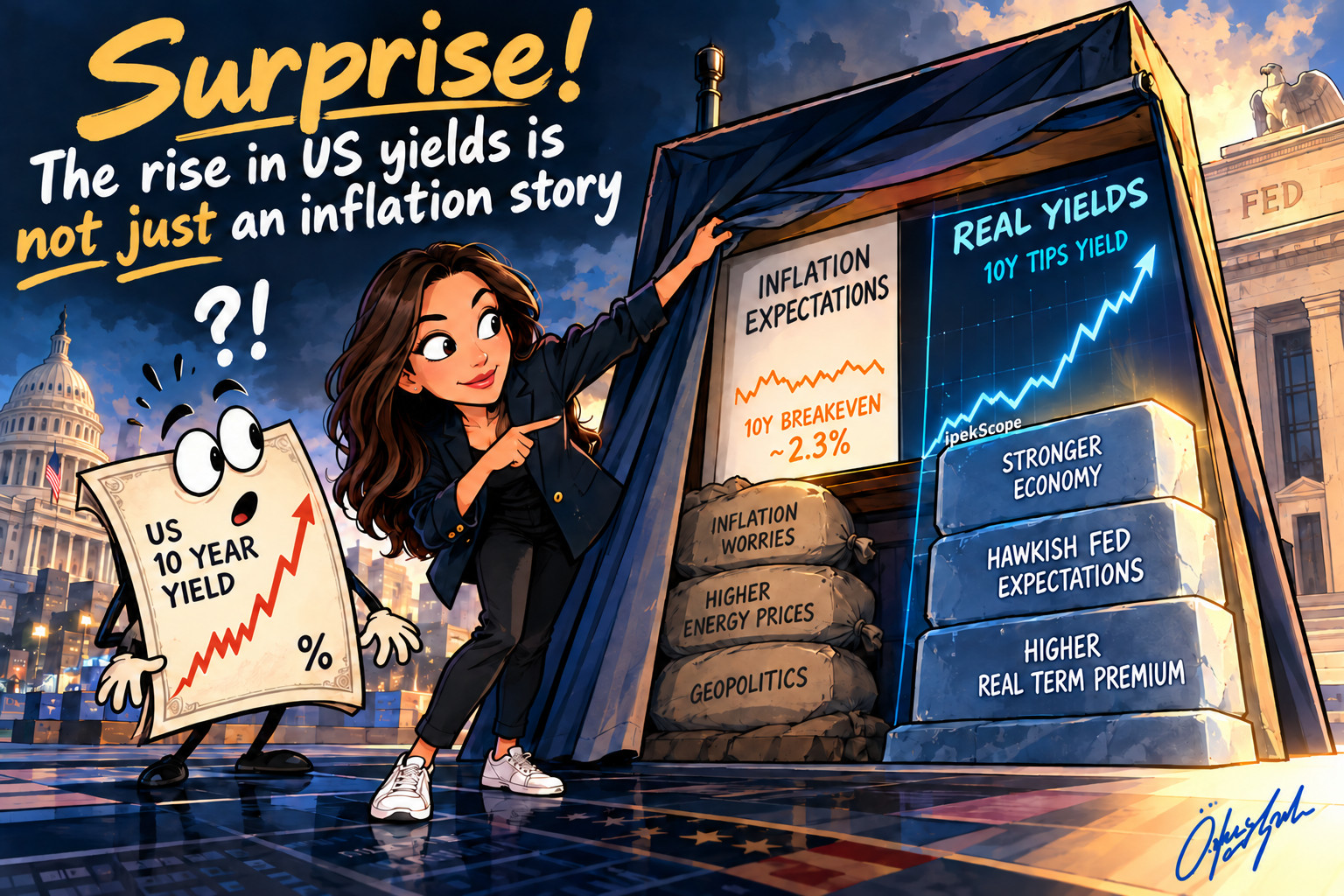
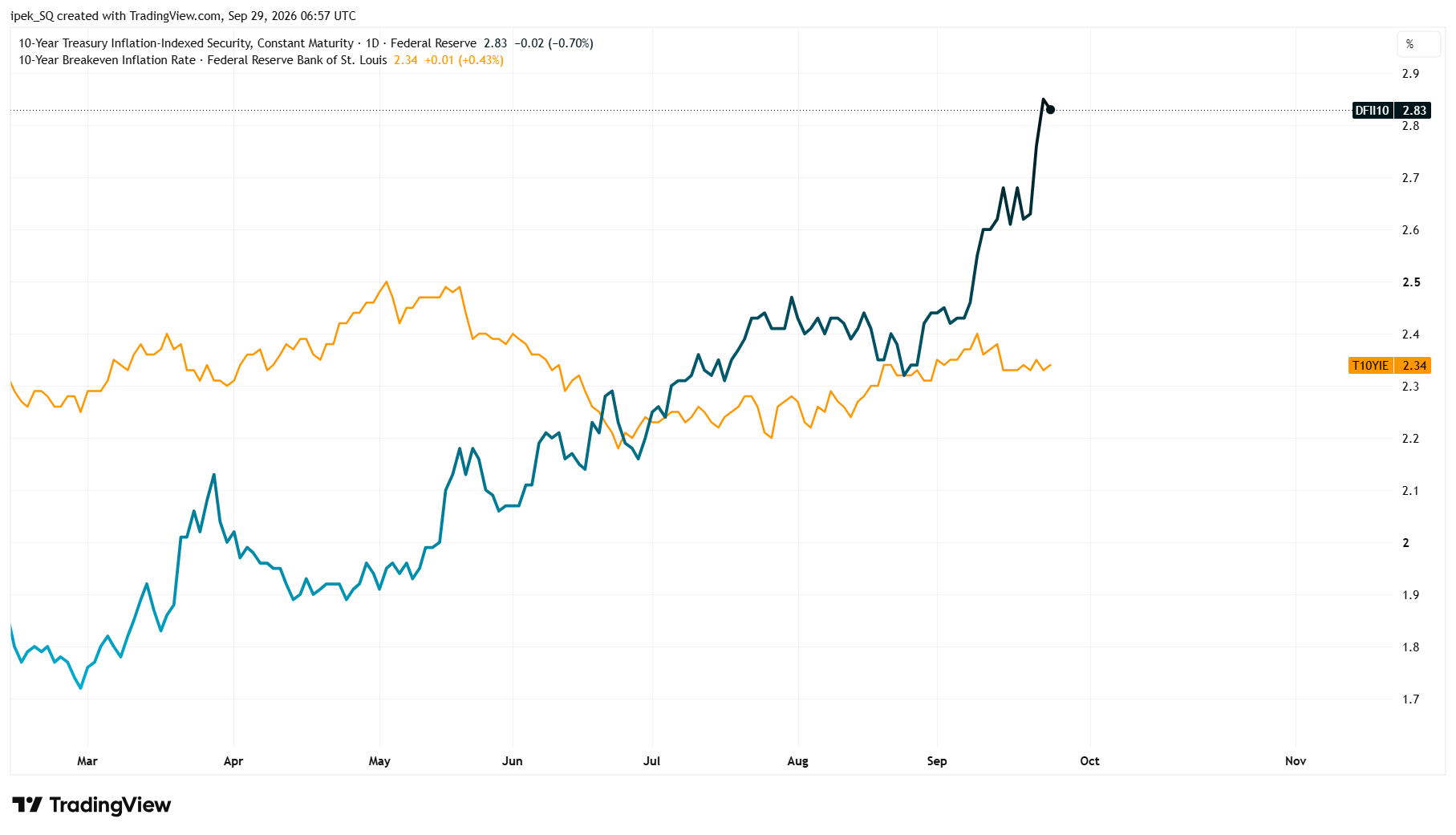
And interestingly, the rise in the US 10-year yield doesn't appear to be an inflation story – SURPRISE! The 10-year breakeven rate remains broadly stable around 2.3%, while real yields have risen sharply. In other words, the recent selloff in Treasuries seems to be driven much more by stronger economic expectations, a more hawkish Fed outlook and a higher real term premium than by a fresh rise in long-term inflation expectations.
That’s a big hint regarding how much the Fed could tighten its policy.
Looking at the curve today, the US 2-10-year yield differential is about 30 basis points, the lowest since February 2025, and many are starting to ask whether we will enter a new period of yield curve inversion – where shorter-term papers yield more than their longer-maturity peers. The logic behind is: the strong US economy could withstand higher rates, but by raising rates, the Fed would also slow growth and potentially push the economy into recession.
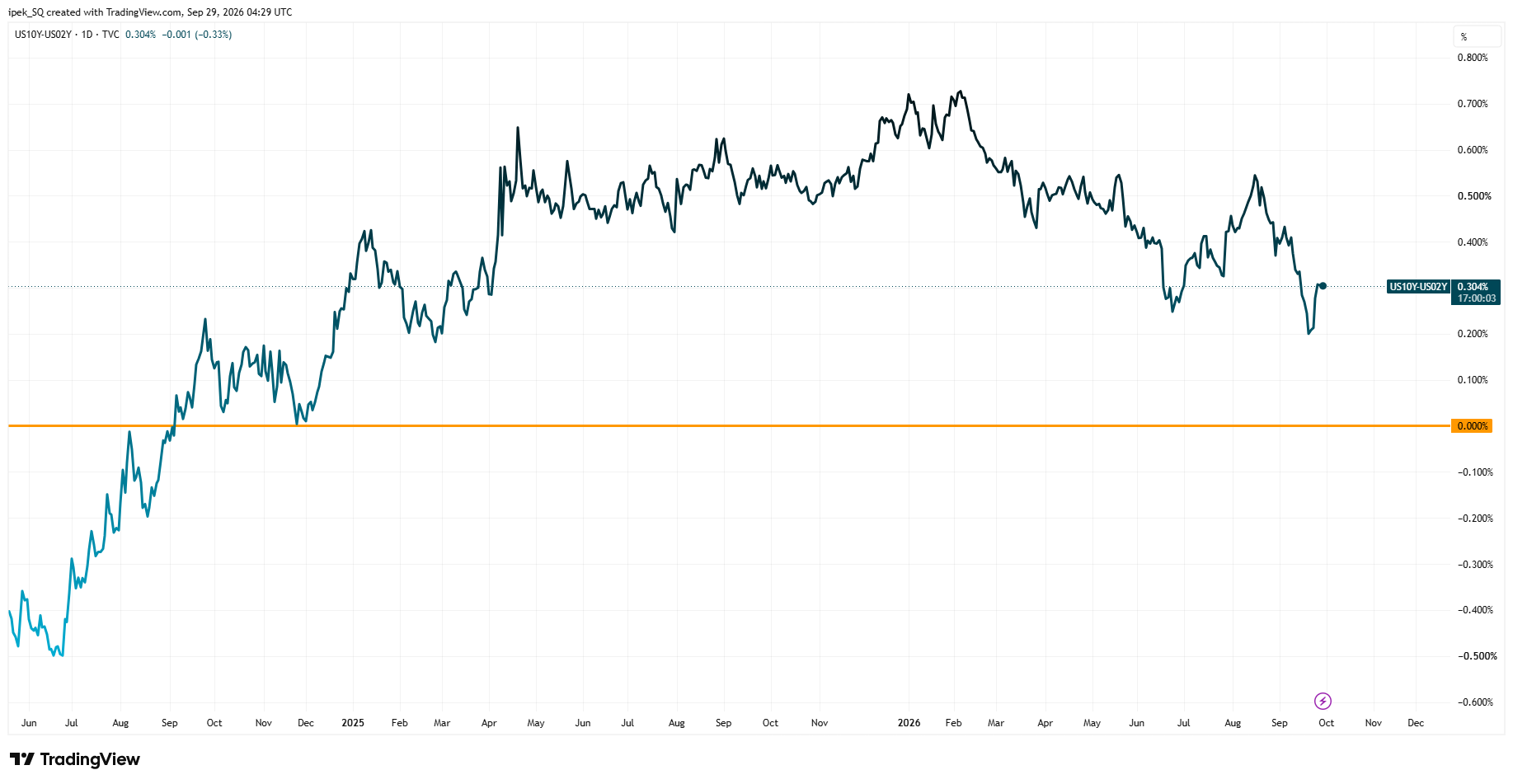
The good news is that the last time the 2-10-year portion of the US yield curve inverted – and stayed inverted, between summer 2022 and summer 2024 – recession never came. The AI boom and ample government spending helped prevent the US economy from entering a recession as the Fed hiked interest rates to tame post-Covid inflationary pressures.
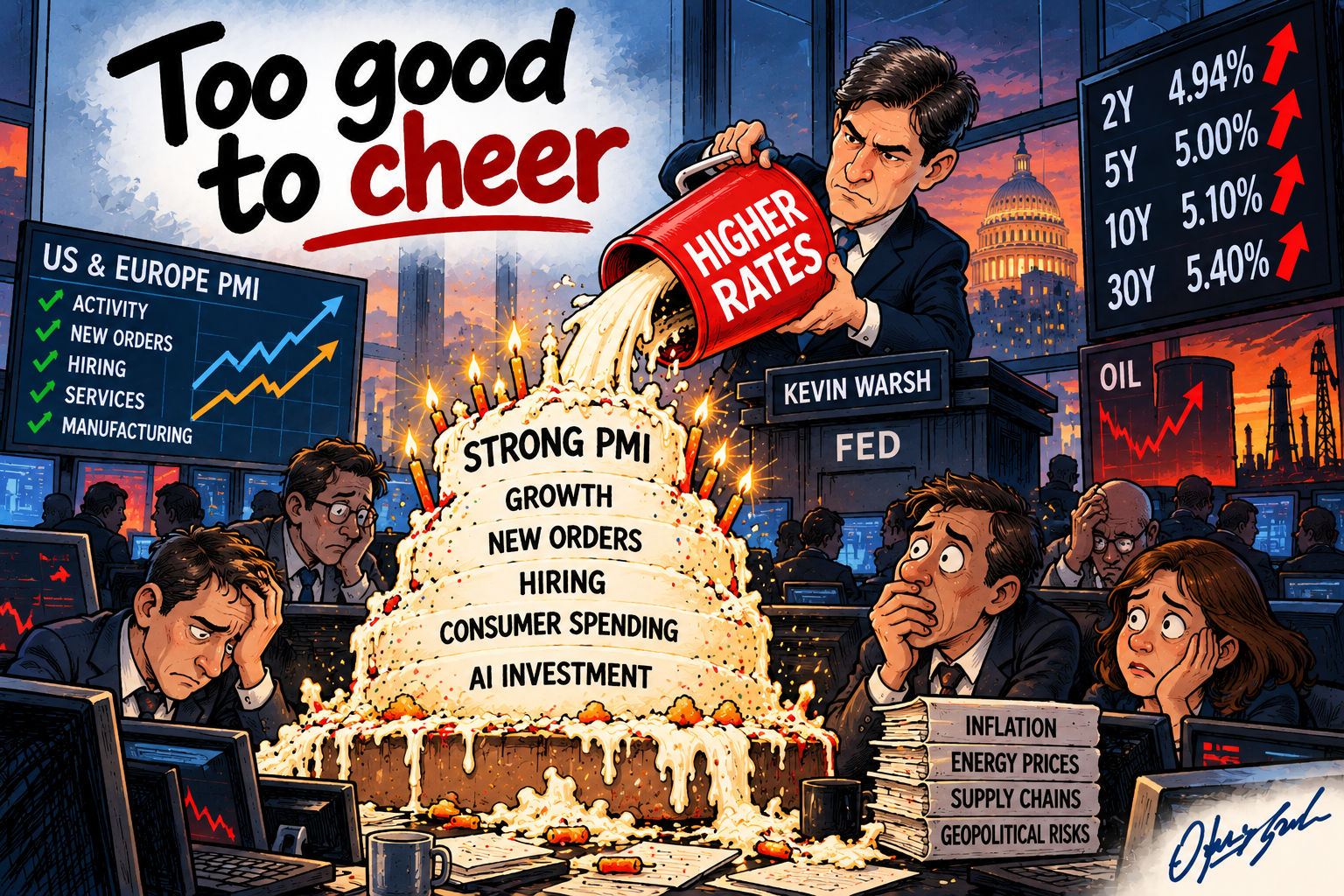
Another piece of good news is that economic growth remains robust thanks to big AI investment and ample government spending – meaning that the US economy will be in a position to withstand higher rates if the underlying fundamentals remain unchanged. Remember, S&P 500 companies printed nearly 50% earnings growth in Q2, and earnings expectations remain very strong despite rising yields.
The bad news is that rising energy prices will start being felt across the US and other economies. And the higher and longer this energy crunch lasts, and the higher interest rates move, the greater the chances of seeing economic growth slow down and companies feel the pinch.
Happily, we are not there just yet – at least when it comes to S&P 500 companies. The week started on a weak note due to a fresh rebound in oil prices on unresolved Middle East tensions. But the S&P 500 is sitting just 1.5% below its ATH level reached in August, whereas the Dow Jones Industrial Average is feeling more heat, down around 6% from its summer ATH, and the Russell 2000 is down by more than 8% from the summer peak.
Moving forward, the macroeconomic setup and the data will continue to matter for equity valuations as earnings announcements are scarce these days.
Today, investors will have an eye on US job openings, and tomorrow the PCE inflation figures will be closely watched. Stronger-than-expected jobs/inflation figures would cement the idea that the US jobs market remains strong enough to withstand further rate hikes to tame inflation, and the latter could further strengthen the US dollar bulls’ hand, while applying further upward pressure on yields.
But if we come back to the earlier discussion about the narrowing spread between the 2- and 10-year yields, a further flattening of the yield curve could eventually slow the US dollar’s appreciation. Initially, the flattening has supported the dollar as the 2-year yield rose on stronger Fed hike bets. But if the curve continues to flatten, markets could start concluding that Fed expectations have gone too far, eventually forcing them to readjust those expectations in a less hawkish direction – we would typically get to that point if the yield curve inverted.
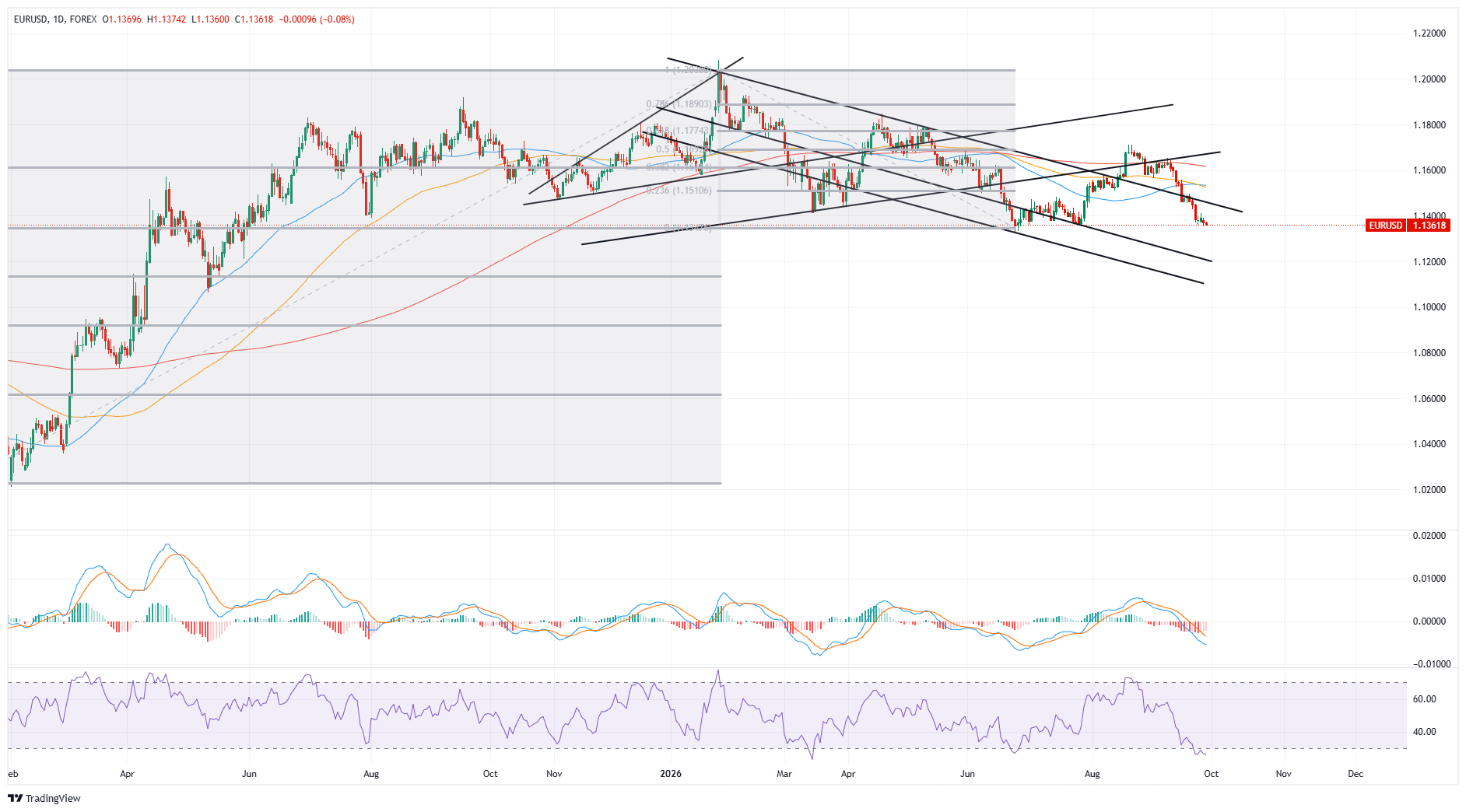
And that could help keep EURUSD and Cable above their critical Fibonacci retracement levels, which distinguish between the positive trend building since Donald Trump’s return to the White House and a medium-term bearish trend reversal. To me, the US dollar remaining in a bearish trend against the euro would make sense from a monetary policy perspective: the ECB remains very serious about fighting inflation, too, while European economies have shown surprising resilience to higher energy prices and yields over the past few months. It would also match the longer-term outlook for the US dollar – seen softening in the continuation of the so-called ‘debasement trade’, as the geopolitical and budget mess continues to develop in the wrong direction.
The content of this website is for informational purposes only and does not constitute financial advice. All opinions expressed are solely my own and should not be considered as recommendations to buy, sell or hold any financial instruments. Readers should consult a qualified financial advisor before making any investment decisions.
With love,
Ipek Ozkardeskaya