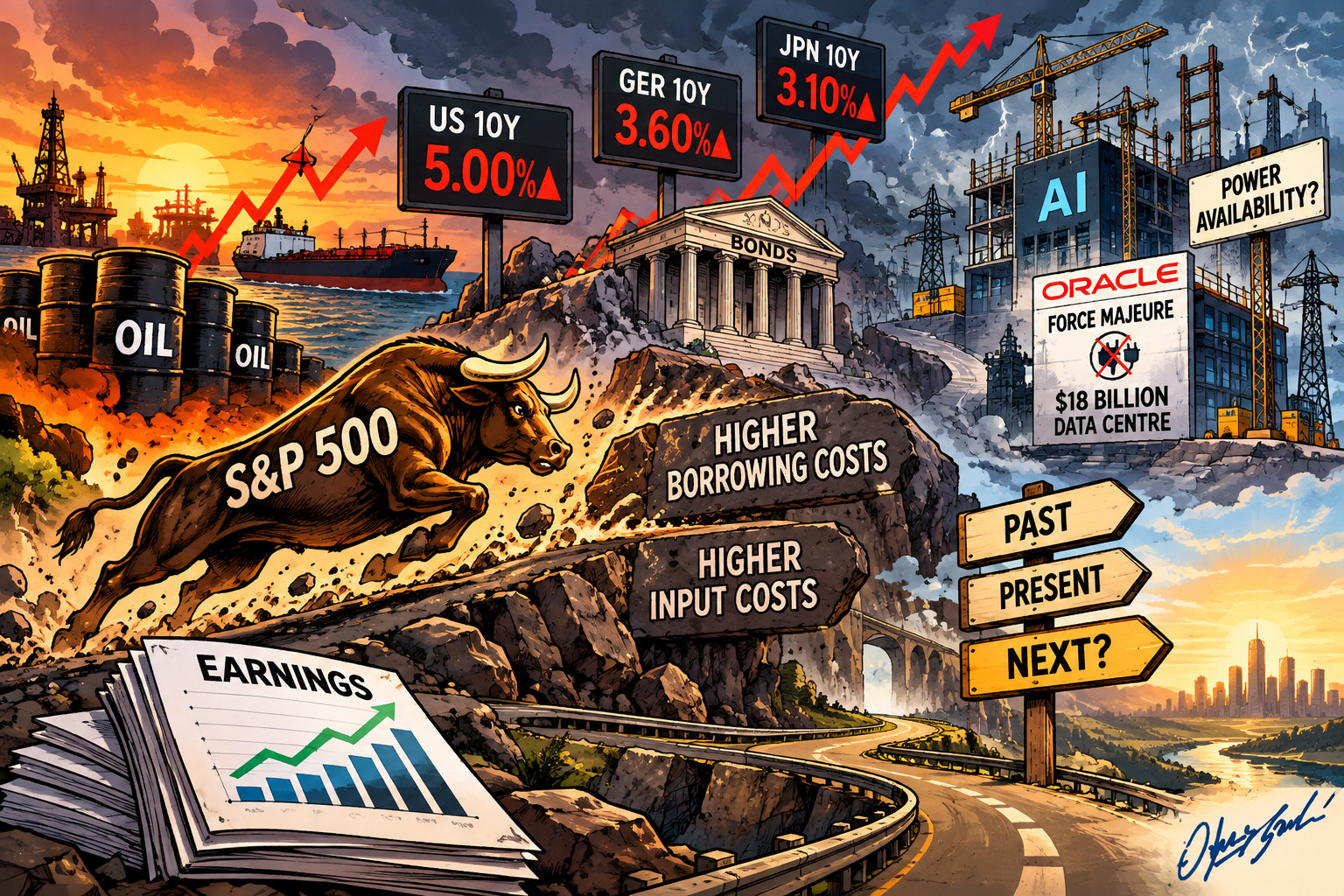

A fresh rebound in oil and a further selloff across global bond markets continued to sit on the stomach of investors yesterday. The US 10-year yield added 12bp yesterday, and 28bp in two sessions. The German 10-year yield has now hit 3.60%, and the Japanese 10-year yield is consolidating near 3.10% right now. It’s crazy.
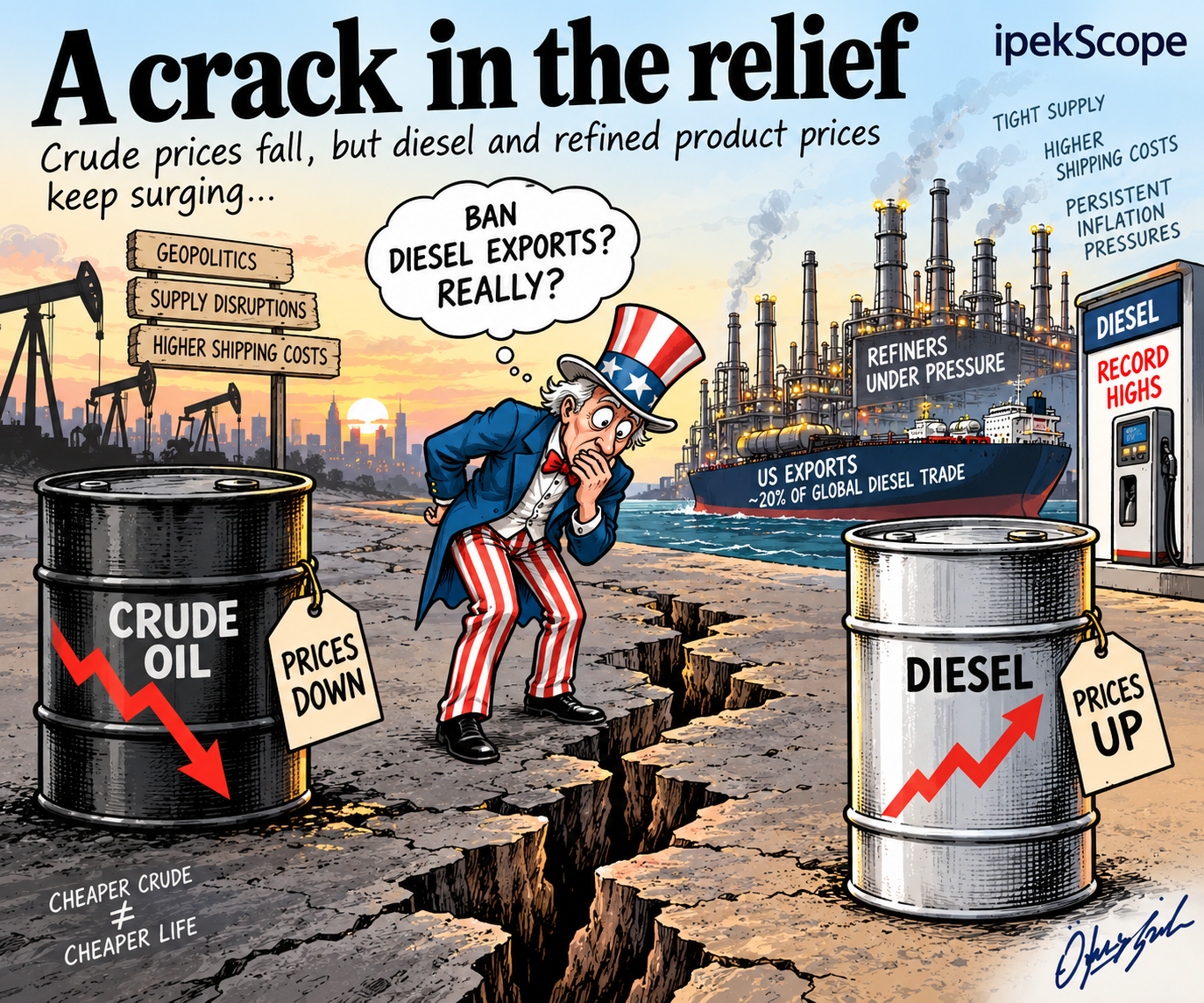
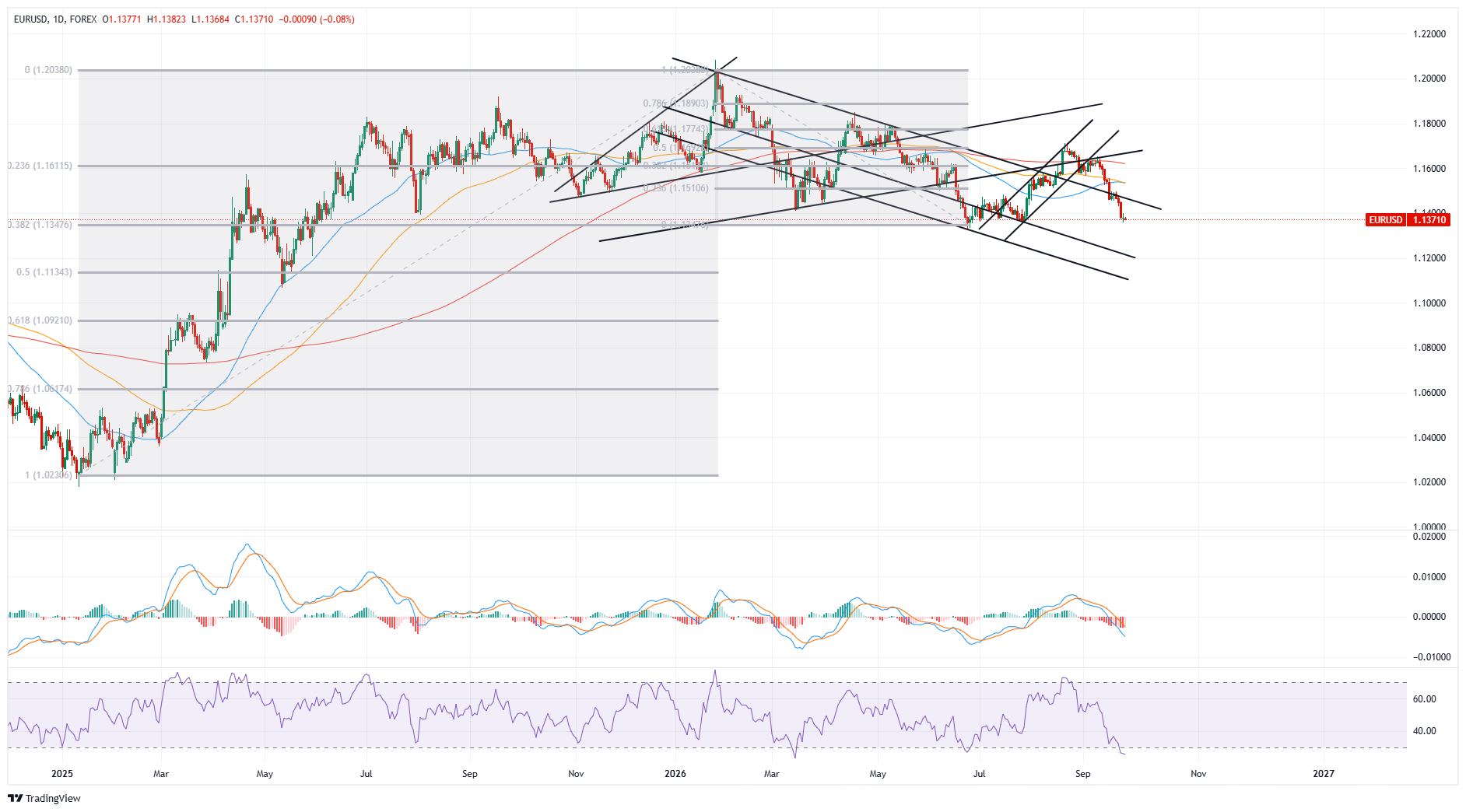
Equities are under pressure, though major US indices managed to close the session somewhere near flat, outperforming the Stoxx 600 – which dropped 0.55% on higher yields and higher energy prices. Meanwhile, the EURUSD has depreciated around 5% since the start of the year – and a softer euro amplifies imported inflation, especially from imported energy. In this context, European stocks are more vulnerable to a further pullback than their technology-heavy US peers.
But concerns around energy go beyond crude, and beyond Europe. In the US, Oracle did something quite important yesterday. It invoked a force majeure clause on a massive AI data-centre project being built in New Mexico to provide computing capacity for OpenAI. The problem is electricity: there are concerns that the site may not secure enough power to become operational on time. If that’s the case, the clause could allow Oracle to delay payments if the data centre is delayed, potentially shifting some of the financial risk toward the developers and lenders that financed the project. And that is important because the project carries around $18 billion of debt, and warns that AI worries should not only be about chip shortages, leveraged financing worries or slower model development: power availability, construction delays and, ultimately, who pays when things go wrong are becoming major financial risks.
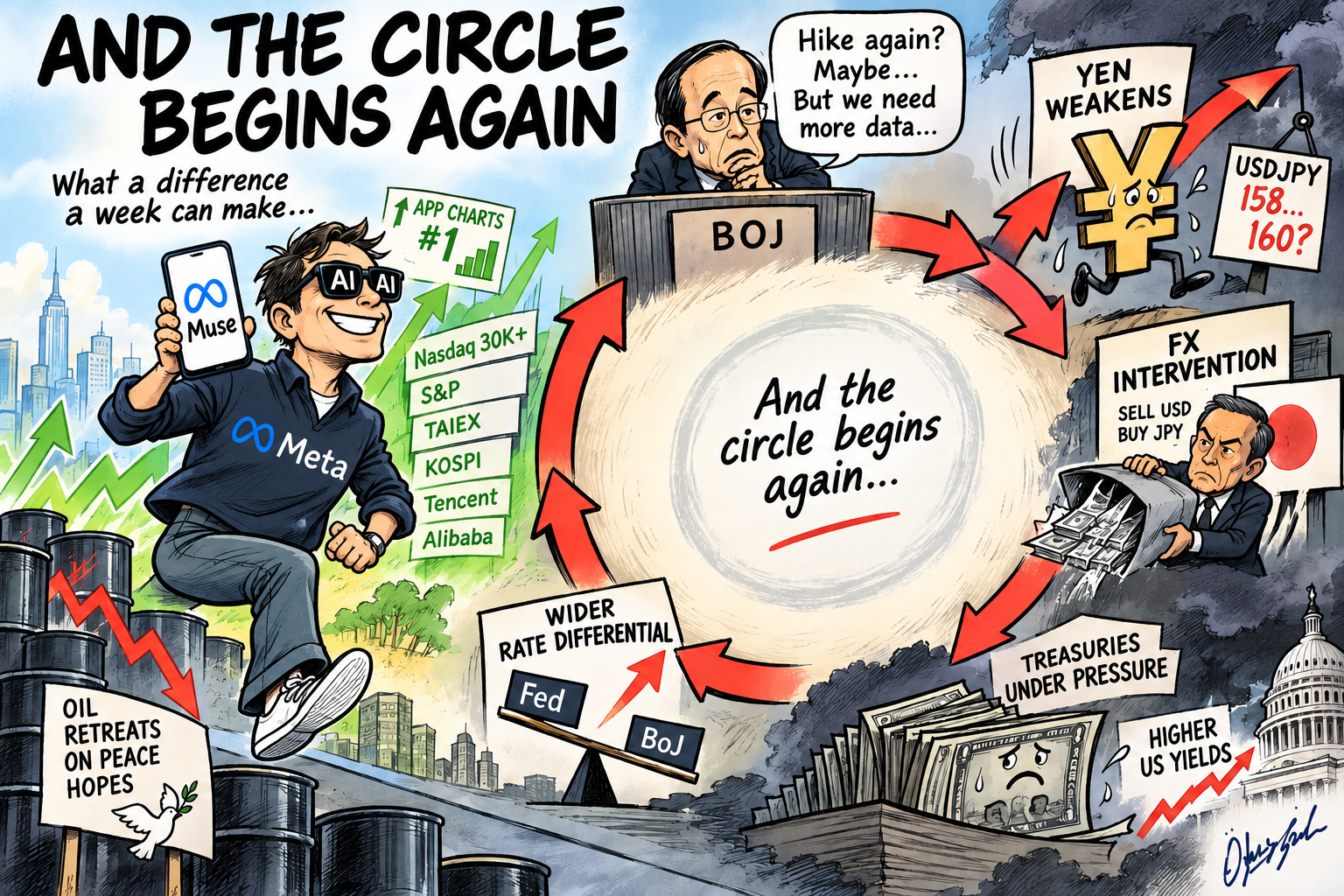
Oil is softer and the selloff in bonds seems to have slowed in Asia, but the rapid rise in global yields this week is ringing alarm bells as we approach the end of the week, and the end of the quarter.
Q3 was marked by economic strength
Now, looking back, Q3 was marked by two major themes: volatile energy prices and rising global yields, but it was also marked by strong corporate earnings. Volatile markets and AI investment explained part of the earnings strength in some sectors.
As a result, the key takeaway was that elevated energy prices and rising global yields have been mostly absorbed by equity markets thanks to strong earnings growth.
Of course, we saw a notable divergence across sectors: banks, energy and technology posted strong results, while more defensive and rate-sensitive sectors, such as consumer staples, utilities and real estate, lagged behind. US mortgage rates, for example, surpassed the 7% level this week, for the first time since the beginning of last year. Around one in five US homes for sale had a price cut in August, and there are 46% more homes up for sale today than back in 2023, according to Bloomberg, leaving this space vulnerable to further weakness.
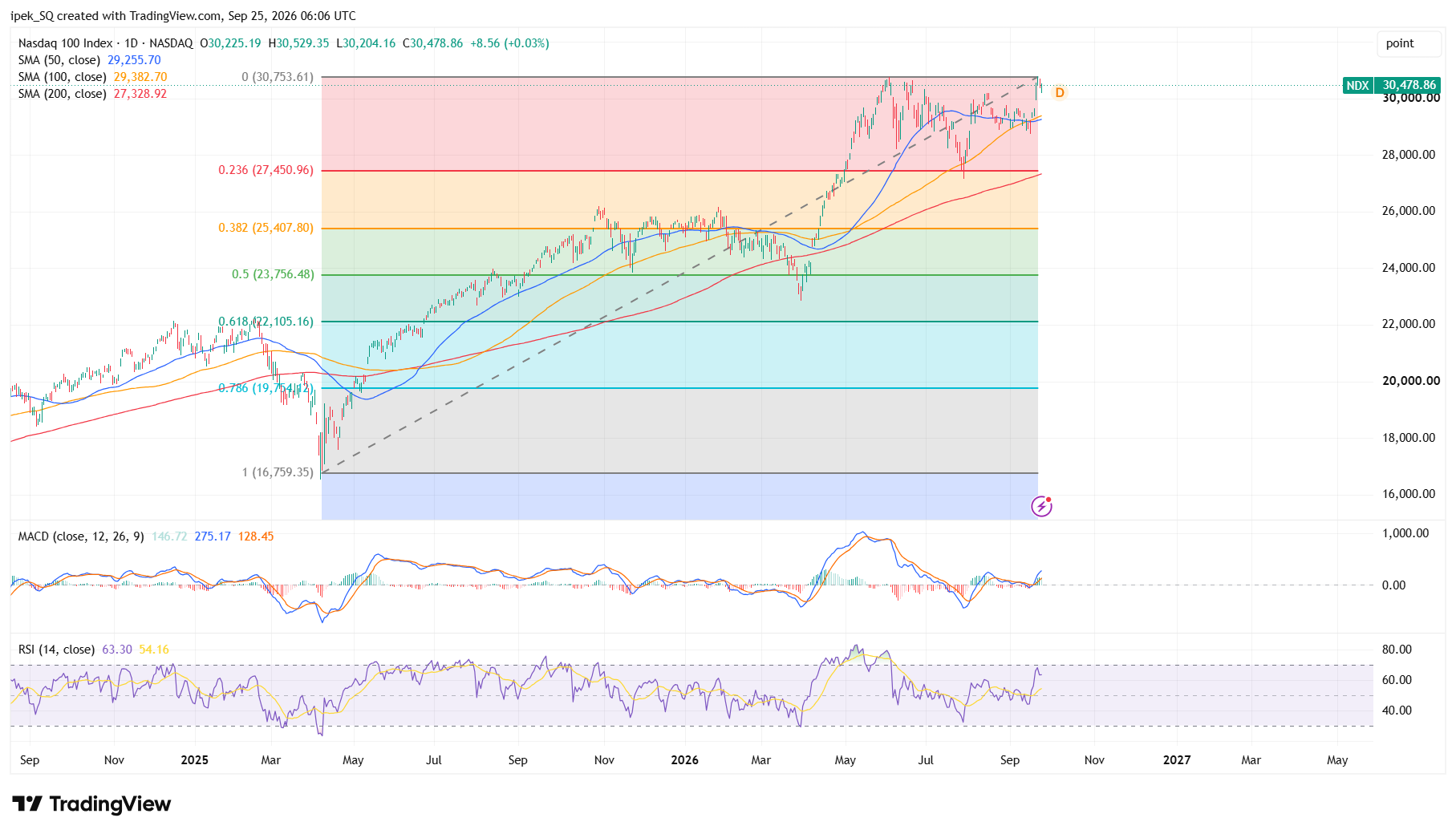
Yet overall, US long-term yields rising above 5% didn’t prevent the S&P 500 and Nasdaq 100 from advancing to fresh records. The Nasdaq just hit a fresh record this week. In Germany, five leading economic research institutes more than doubled their 2026 growth forecast from 0.6% to 1.3%, thanks to stronger-than-expected activity in the first half of the year, alongside fiscal expansion in defence and infrastructure spending.
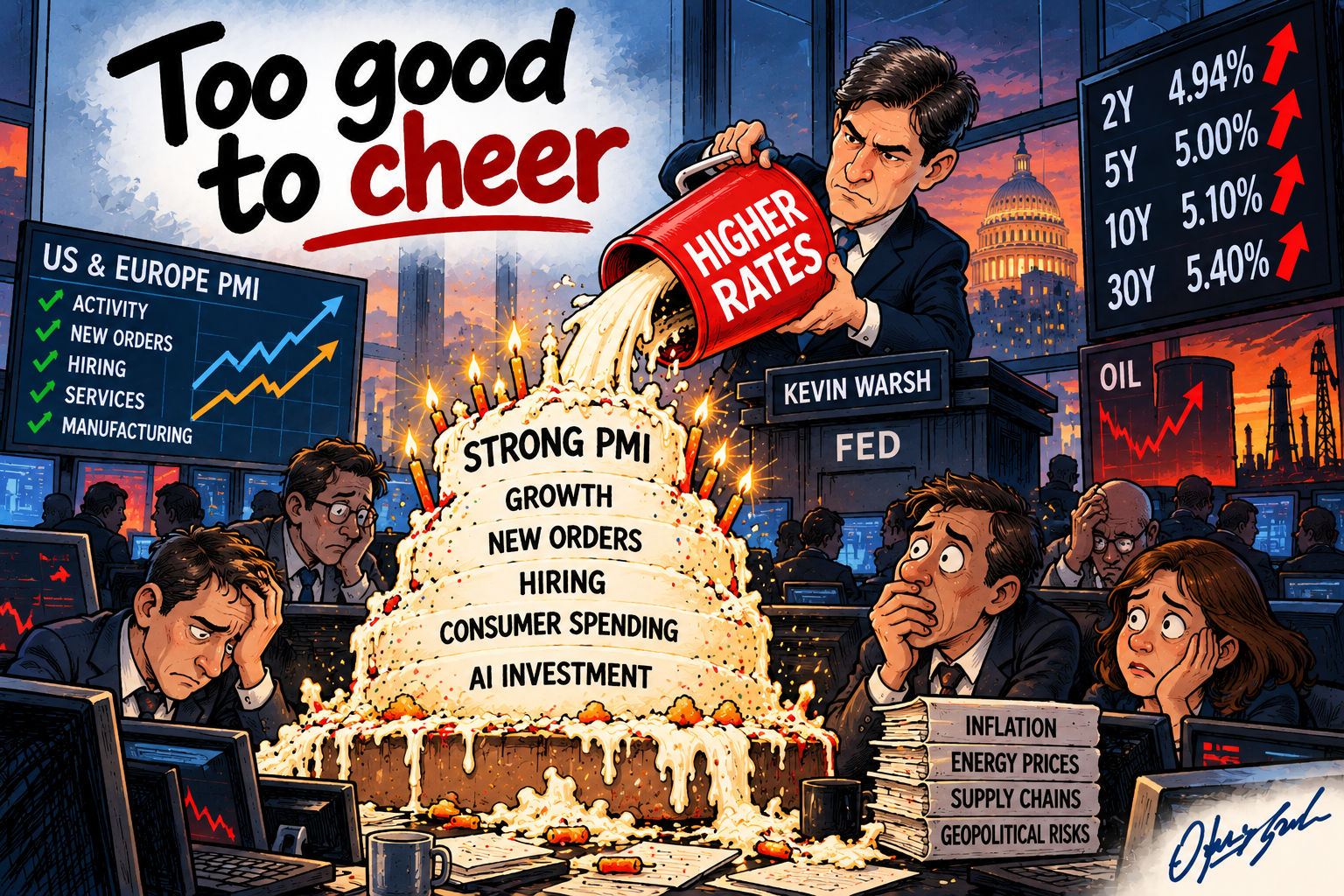
So there is no doubt that, today, the macroeconomic backdrop, data and outlook remain supportive of further policy tightening in major economies, including the US and the euro area. These economies have been resilient to higher price pressures and rising borrowing costs. I don’t see that trend reversing until there is more clarity on the Middle East/Ukraine setup.
On the other hand, earnings expectations remain high despite rising borrowing costs. Again, fiscal spending and AI investment have kept growth in check, helping the growth-driver sectors defy higher costs.
Could equity strength extend despite rising yields?
The answer is: it depends on the pace at which yields are rising. Yields rising at this week’s speed will inevitably put pressure on companies’ bottom lines.
Hence, the rate of change in yields will be crucial in determining how smoothly markets absorb higher borrowing costs; the level of yields alone may not be the breaking point.
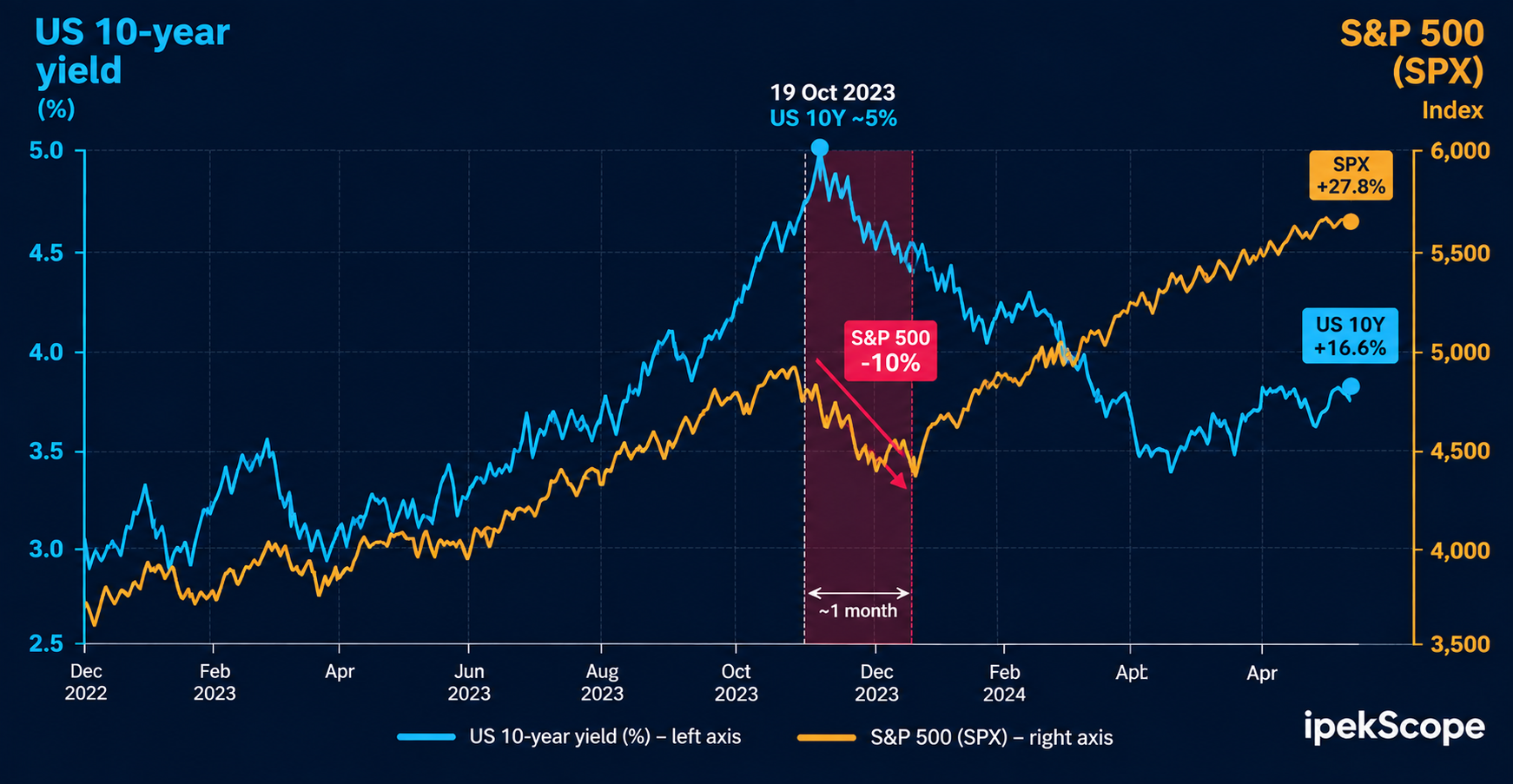
If history is any guide, when the US 10-year last approached 5% in October 2023, the S&P 500 was in the middle of a roughly 10% correction. This time, the 10-year has crossed the same threshold while the S&P 500 remains close to record highs and up double digits this year. If we consider other factors equal, one important difference is that the rise in yields has been more orderly this time, and has coincided with exceptionally strong earnings growth.
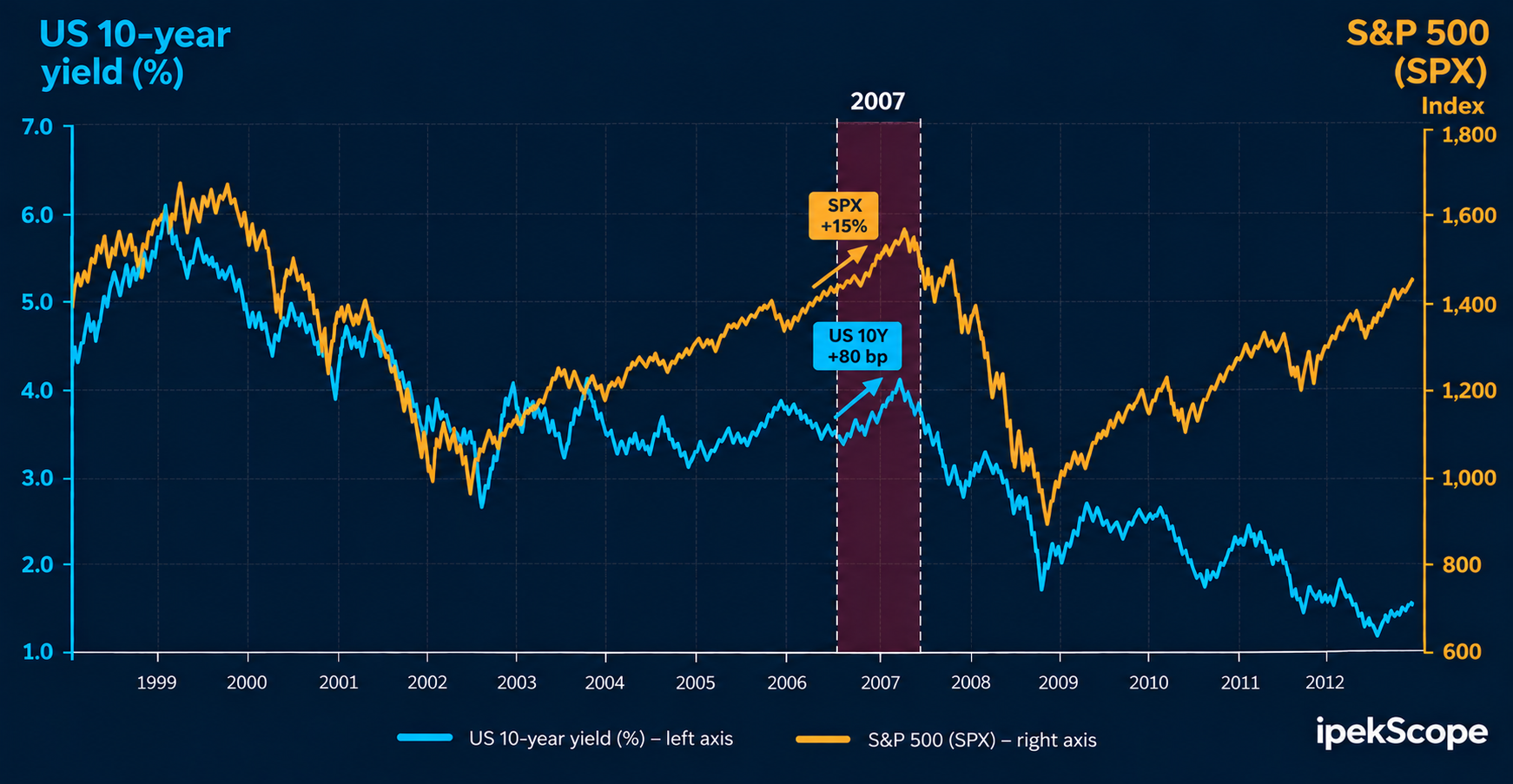
If we look further back, 2007 offers an interesting precedent as well: the 10-year yield rose above 5% while equities continued to advance in the first half of the year, supported by strong earnings and economic growth at the time. It was only later, as credit conditions deteriorated and the subprime crisis intensified, that the equity picture changed, obviously.
This brings me to the conclusion that things could continue to go well, until they won’t. AI investment may have surely gone – or be in the process of going – beyond itself, credit risk is spreading, Oracle’s warning is a reminder that AI-specific risks could spill into broader financial markets, and, more importantly, broad index and retirement funds are now very much tied to the AI boom: technology stocks account for around 40% of the S&P 500, a big share of bond issuance and venture funding is driven by AI, and only three chipmakers account for more than 25% of the MSCI EM index. As such, AI is the cornerstone that must not crack.
Moving forward
For the next three months, US equities will have the seasonal wind at their backs. Should earnings growth remain robust, we may see the equity rally extend into year-end, provided that the rise in yields remains orderly. In the best-case scenario, a decline in energy prices could tame central bank hawks and give an additional boost to equities. In the worst-case scenario, something cracks in the AI story – taking away one of the market’s strongest pillars and triggering a notable market pullback.
The content of this website is for informational purposes only and does not constitute financial advice. All opinions expressed are solely my own and should not be considered as recommendations to buy, sell or hold any financial instruments. Readers should consult a qualified financial advisor before making any investment decisions.
With love,
Ipek Ozkardeskaya