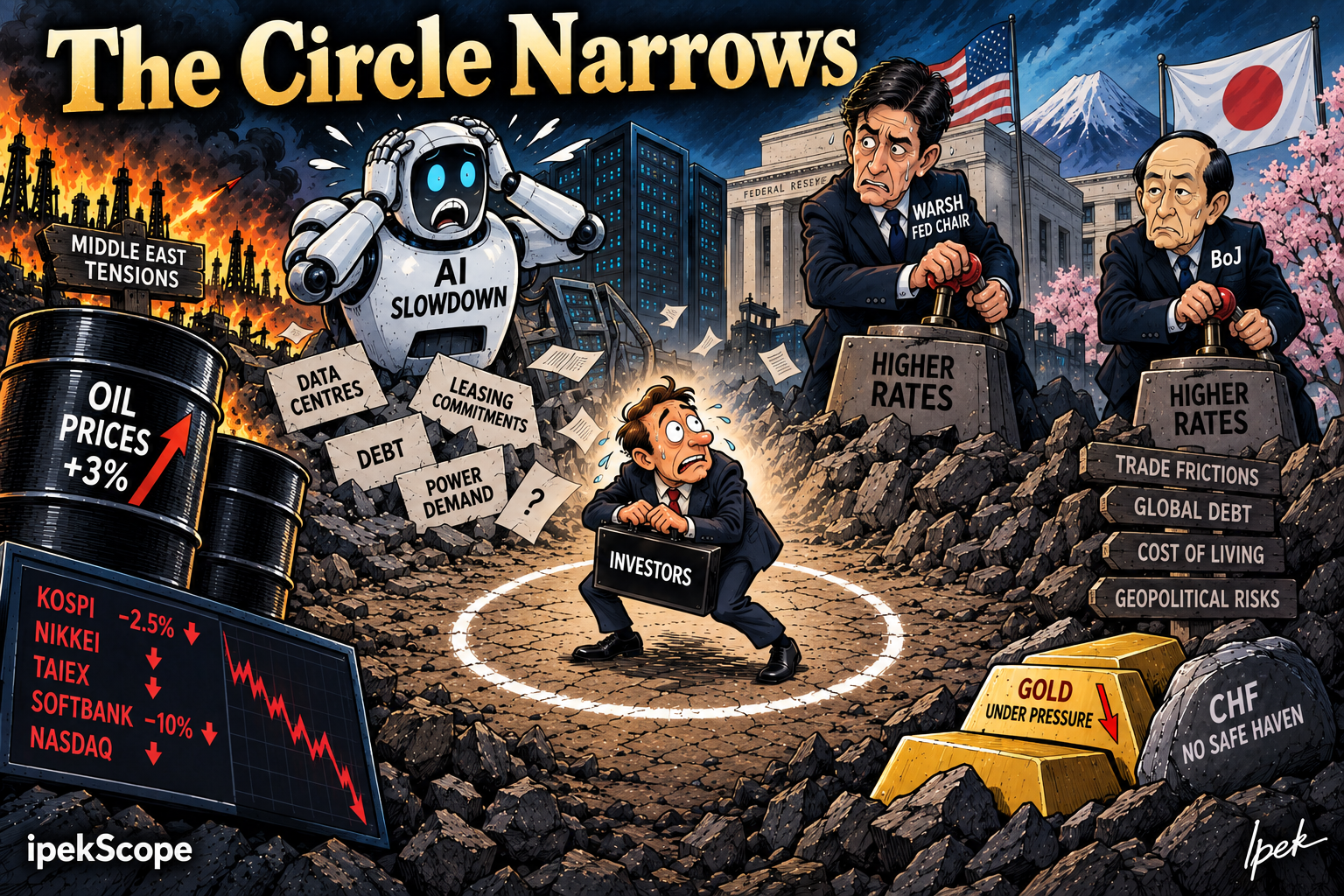

Things are getting from bad to worse.
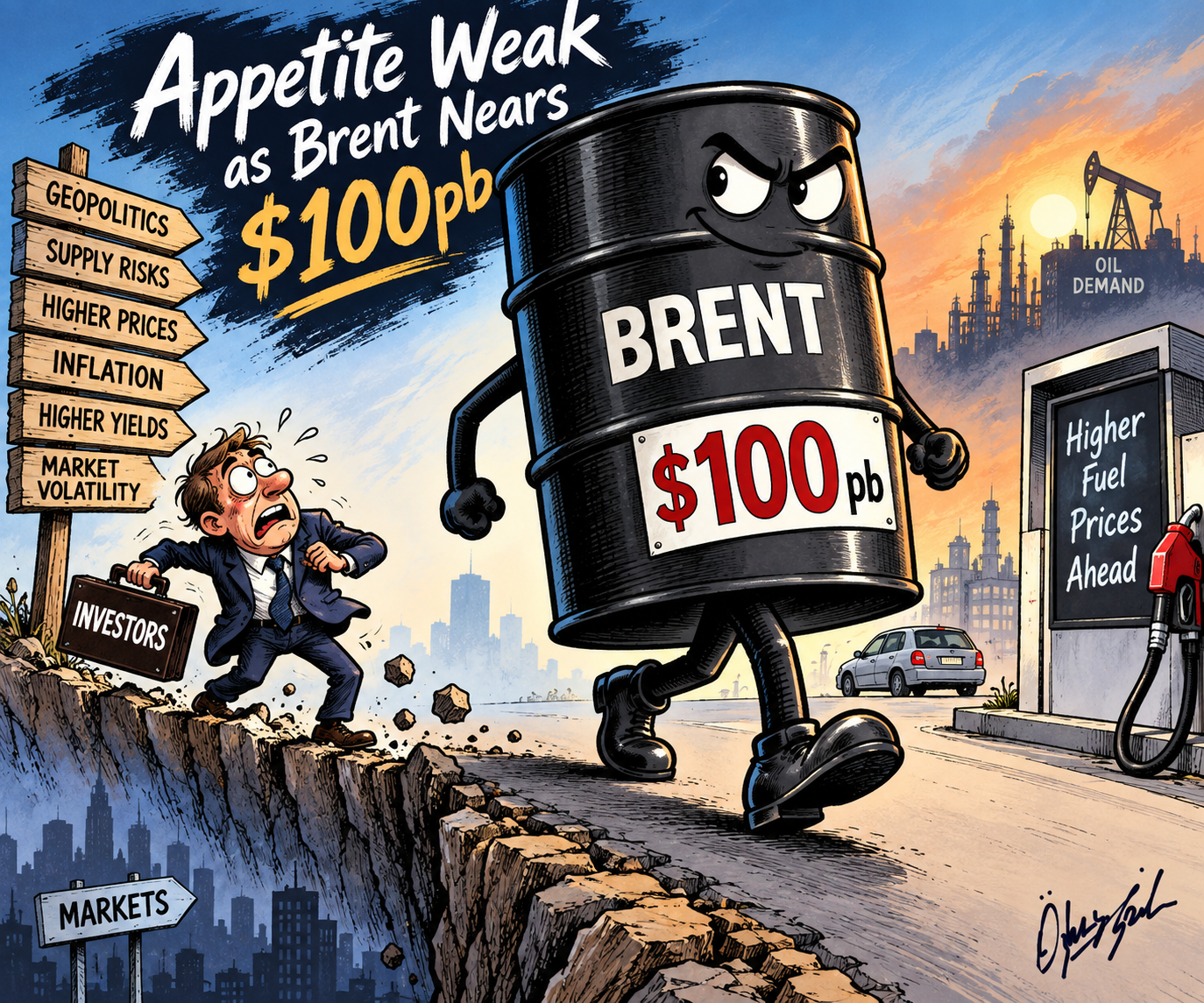
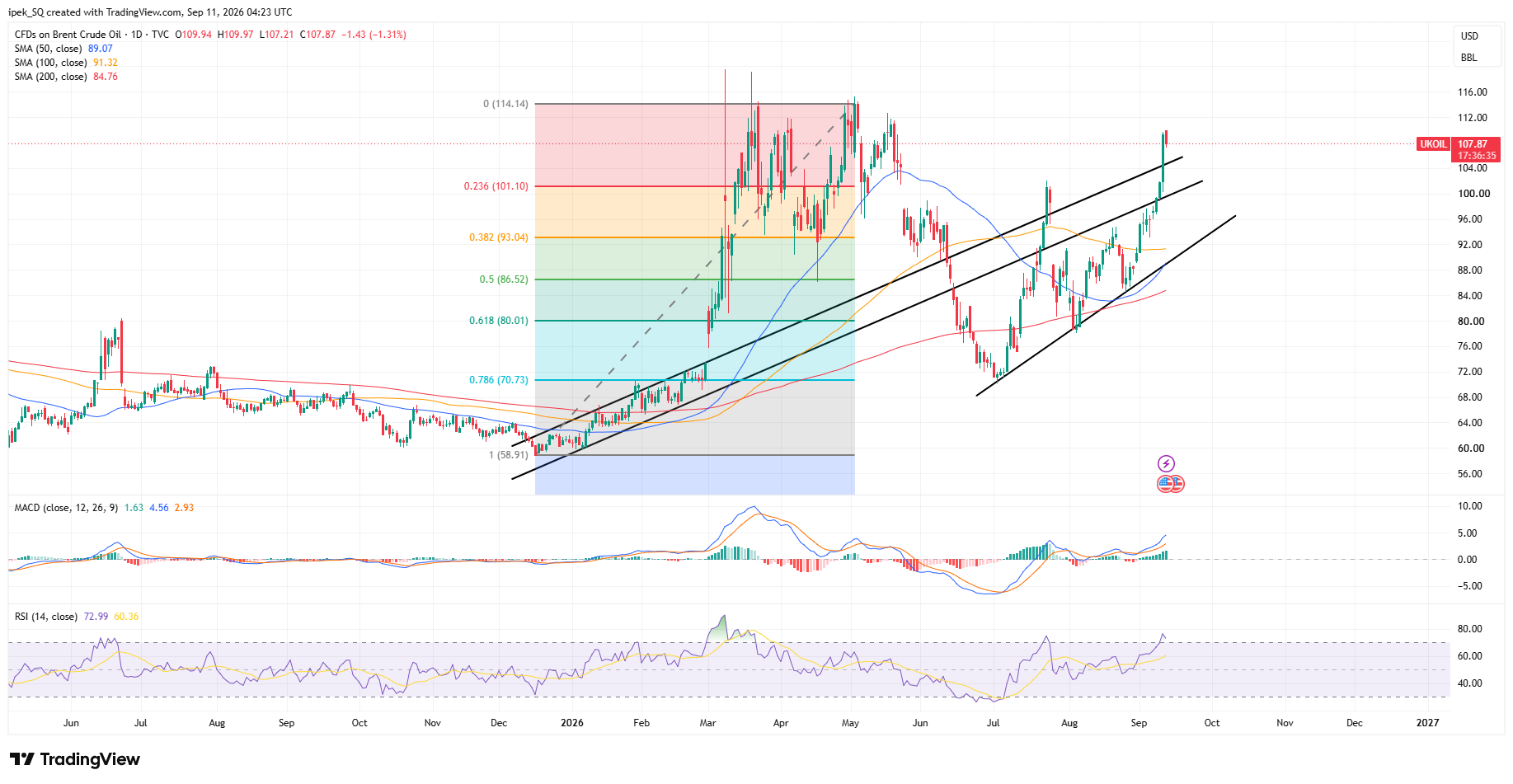
Crude oil prices rocketed higher yesterday: Brent hit $110 per barrel, while WTI joined it above the $100pb level for the first time since May, on escalating Middle East tensions. Saudi Arabia said its oil production fell to the lowest levels since 1990 last month, as Iran-backed Houthis threatened shipments from the kingdom’s west coast. The Houthis have now advanced toward the strategic Bab el-Mandeb Strait, seizing the Red Sea port of Mocha.
US producer inflation data confirmed that factory-gate prices rose in August – and the headline numbers warned that they rose more than analysts expected, to 5.4% y-o-y. And this number didn’t even take into account the very latest leg up in energy prices – meaning that when the Federal Reserve (Fed) decides next week whether to raise rates to tame inflation in the US, where other economic data shows signs of resilience, policymakers will hopefully keep in mind that these numbers will go up before they start coming down.
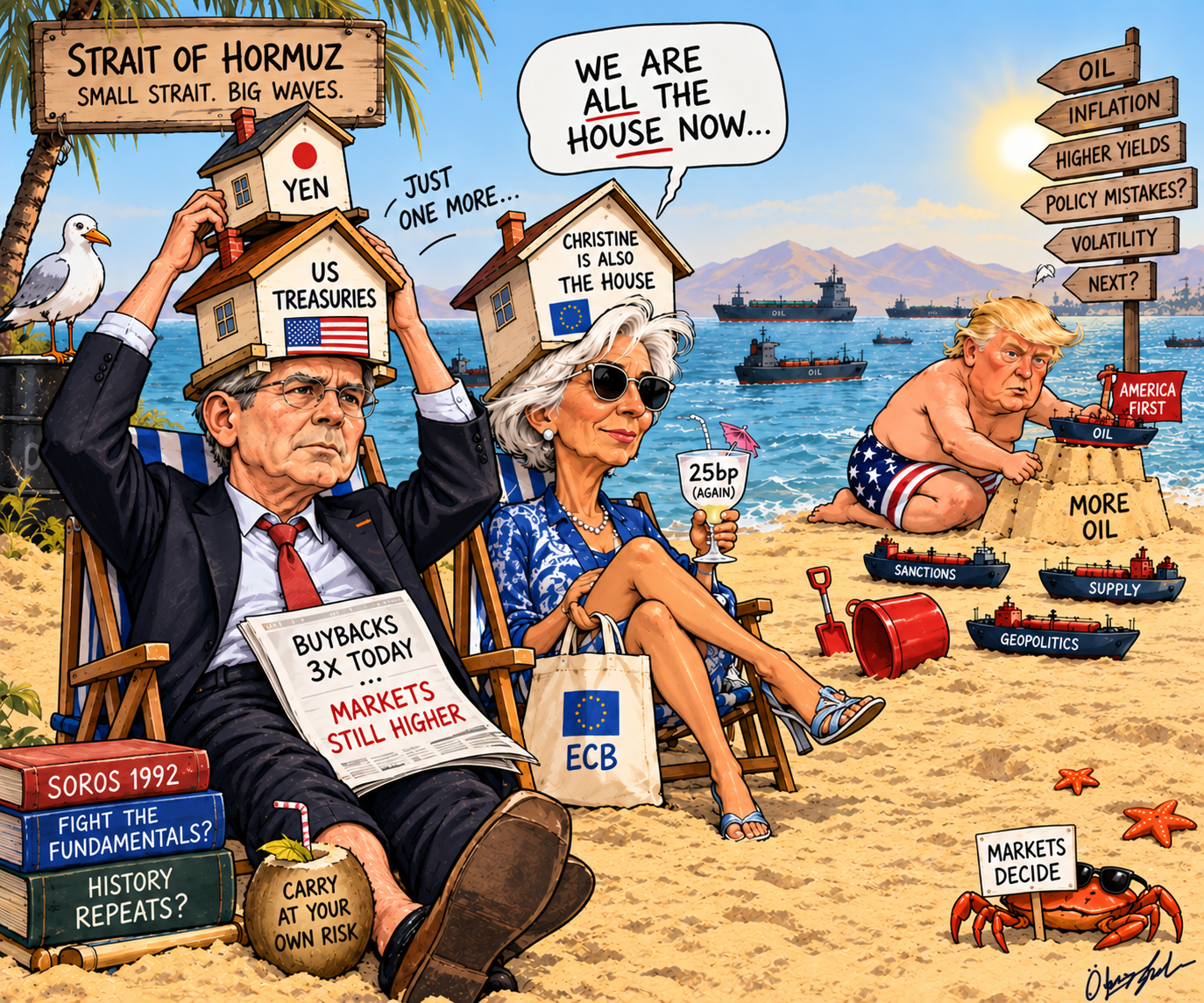
And in the same unpleasant context, the European Central Bank (ECB) raised rates by 25bp yesterday – as widely expected and priced in by the markets. Chief Christine Lagarde called the move ‘a no-brainer’, highlighting the 14+% rise in energy prices, warning that inflation risks remain tilted to the upside and that growth could come under pressure at some point in time. Duh!
But her press conference was nowhere near catastrophic: her interpretation of the European economy reflected the robustness we saw in Q2 earnings reports. European economies continue to do well thanks to AI investments, AI-led productivity gains and increased defence spending from European governments to adapt to the horrific changes in geopolitical dynamics. She refused to give any guidance regarding what’s next, because she doesn’t know. But she hinted that, yes, the longer the Middle East and Ukraine wars drag on, the bigger the risk to the European growth outlook. Would that mean more or fewer rate hikes in the future? Will Depend On Data. I believe that if economic activity is not heavily hit, we could see another rate hike from the ECB before the year ends. The EURUSD? Moved lower, as the broad-based rally in the US dollar following a strong PPI report, soaring energy prices and spiking US yields weighed heavier.
How about the Fed?
Today’s inflation data from the US will be the last of a series of numbers pointing to heated price pressures in the US. There too, economic activity remains fairly robust and the jobs market is weakening but not collapsing – massive tech investments and expansive fiscal policies are doing the magic.
Today’s CPI data is expected to print headline inflation of around 3.4% y-o-y and core inflation near 2.4%. BUT that data is backward-looking. It doesn’t take into account the latest – and quite sharp – rise in energy prices. Hence, if the Fed bypasses this month’s meeting without announcing a rate hike, questions about the Fed’s independence and the White House influence would return, with the risk of investors ‘not buying’ the decision and sending longer-term yields up, up and away.
I give you ca$h!
I wanted to avoid it, but – yes, US President Donald Trump said he would distribute $5’000 to each American adult if Republicans win the midterm elections in November. Let’s do the math. Depending on eligibility, that could cost the US government around (...drum roll...) $1.2–1.35 trillion.
It’s a big number. It’s almost as much as the interest the US must pay on its $40 trillion debt! It’s HUGE.
So it’s not happening. Full stop.
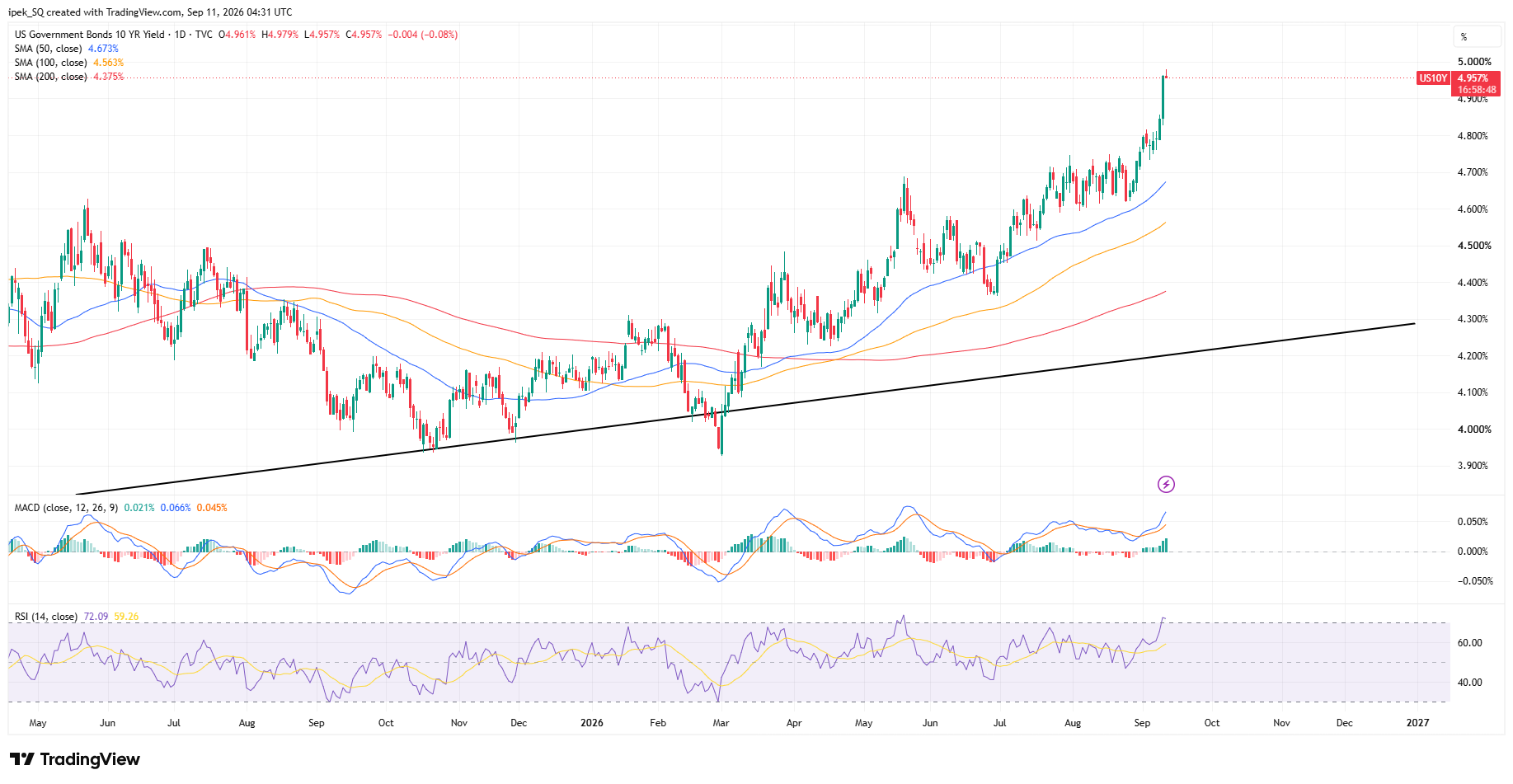
But the news, combined with rising energy prices and heated inflation data, dwarfed Bessent-led US Treasury buybacks. To make matters worse, the US Treasury bought less than the $6bn worth of 10- to 20-year bonds announced the day before – around $5.2bn. Result? The US 10-year yield spiked more than 12bp yesterday and is now flirting with 5%, while the 20-year yield hit 5.40%.
In summary, the Treasury’s bigger buybacks didn’t – and will hardly – provide any relief to the battered long end of the US yield curve. The amounts remained too small to sustainably suppress yields when inflation and fiscal concerns kept sellers in control.
Moving forward, if Trump makes crazy promises like yesterday’s $5K cheques, the Treasury would have to buy much more than $6bn, $10bn or $15bn to stabilise the market, because if governments could simply borrow more and have their bonds bought by their OWN Treasury departments to keep yields down, everyone would do it. If they are not doing it, it’s because, in the longer run, that risks fuelling inflation expectations, undermining confidence in fiscal discipline and pushing long-term yields even higher.
Concretely, the US dollar rose yesterday on the back of rising oil and rising yields, and the index is testing the 200-DMA to the upside. Hawkish Fed expectations are still countered by hawkish expectations from other central banks, and it’s hard to see sustained appetite for the US dollar when the inflation outlook is being fuelled by an irresponsible circus of government officials and a Fed that doesn’t know what to do (or say CAN’T do what it should do!).
So, in the short run, rising oil and yields, and the need for a quick safe haven, could put a floor under the greenback. In the longer run, I would see USD rallies as opportunities to strengthen positions in other majors and gold, and would be careful with equity rallies – as real returns are also pressured by rising inflationary pressures.
Small Miracle
Anyway, I will conclude this week’s discussion with one piece of good news. Oracle delivered a stronger-than-expected quarter. Revenue rose 30% to $19.3 billion, while earnings also beat expectations. Cloud infrastructure revenue more than doubled to $7.4 billion, and Oracle’s backlog climbed to a massive $664 billion.
But the biggest relief came from cash flow. Oracle still burned $5.4 billion in free cash flow, but that was much better than the roughly $9.6 billion loss expected. And around $11 billion of its massive investment spending was covered by customer prepayments, easing concerns about how Oracle will finance its AI expansion. (Phew!)
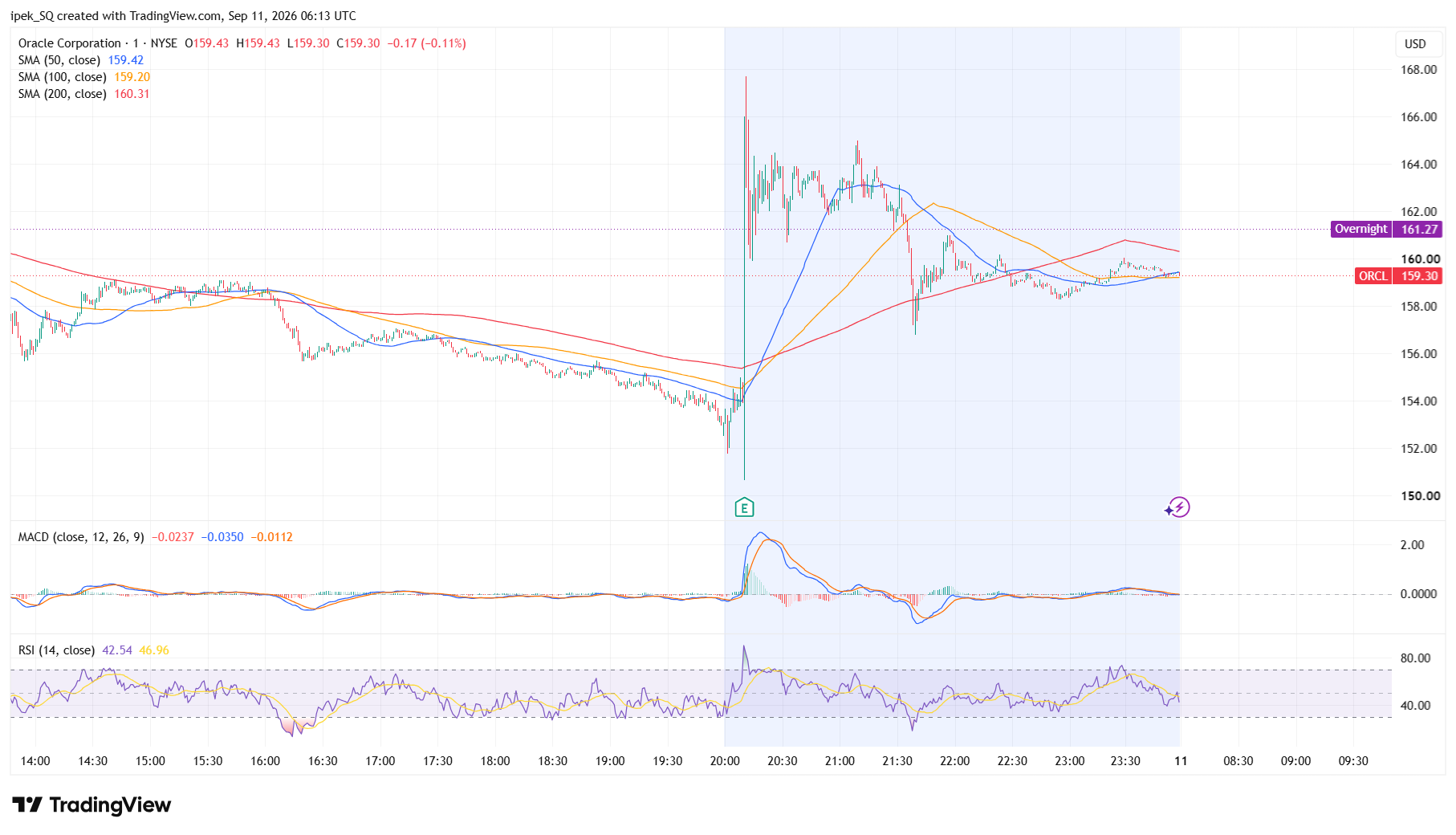
Oracle jumped nearly 10% in after-hours trading before scaling back gains to around 4%. Alas, Nasdaq futures are trailing behind S&P and Dow futures this morning, as European futures hint at a bearish start to Friday’s session.
This week can’t end soon enough.
The content of this website is for informational purposes only and does not constitute financial advice. All opinions expressed are solely my own and should not be considered as recommendations to buy, sell or hold any financial instruments. Readers should consult a qualified financial advisor before making any investment decisions.
With love,
Ipek Ozkardeskaya