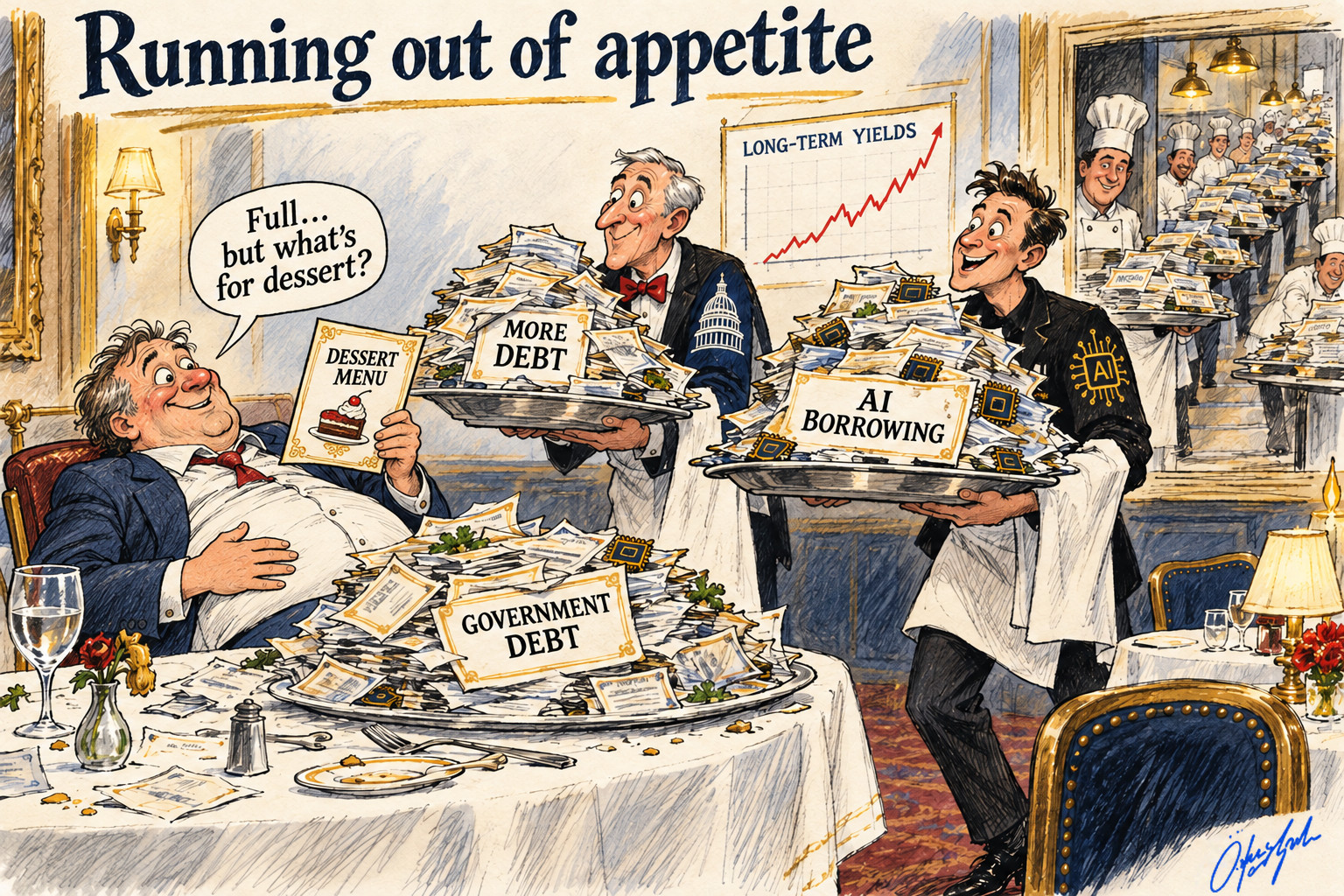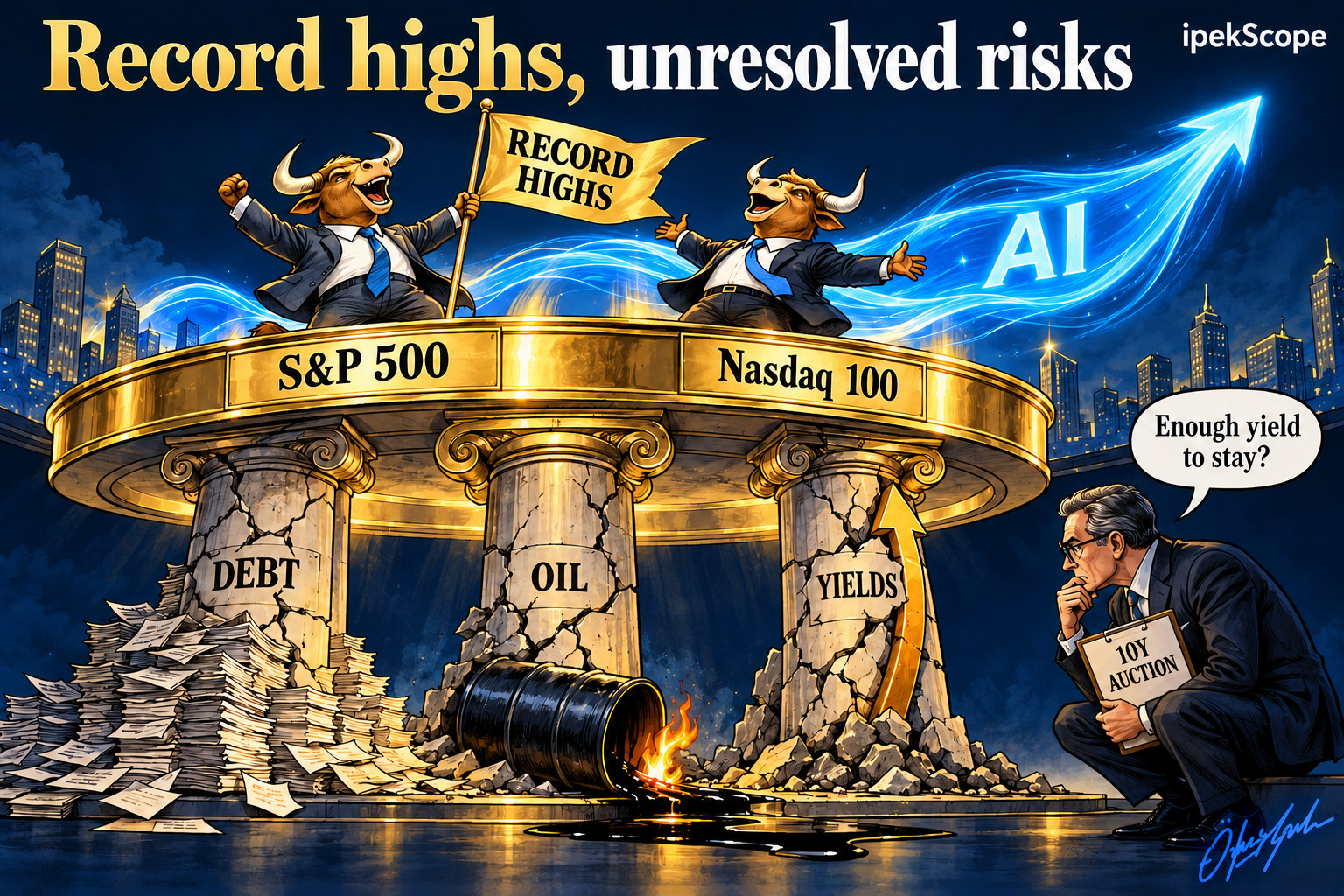

Yesterday was marked by a clear divergence between tech and the rest, after Nvidia, Salesforce and CrowdStrike earnings boosted gains across AI enablers. The Nasdaq 100 gained 1.53%, while the rest of the industries grappled with a fresh rebound in oil prices – this time amid an intensification of Russian attacks in Ukraine. Meanwhile, the situation in the Middle East remains very much unclear as well. Even though the latest estimates suggest that significant volumes – potentially 7–8 mbpd – are getting through Hormuz, plus several million barrels per day leaving via Saudi/UAE bypass infrastructure, oil flows from the region remain well below pre-war levels (20-21mbpd), and refined product prices barely pull back.
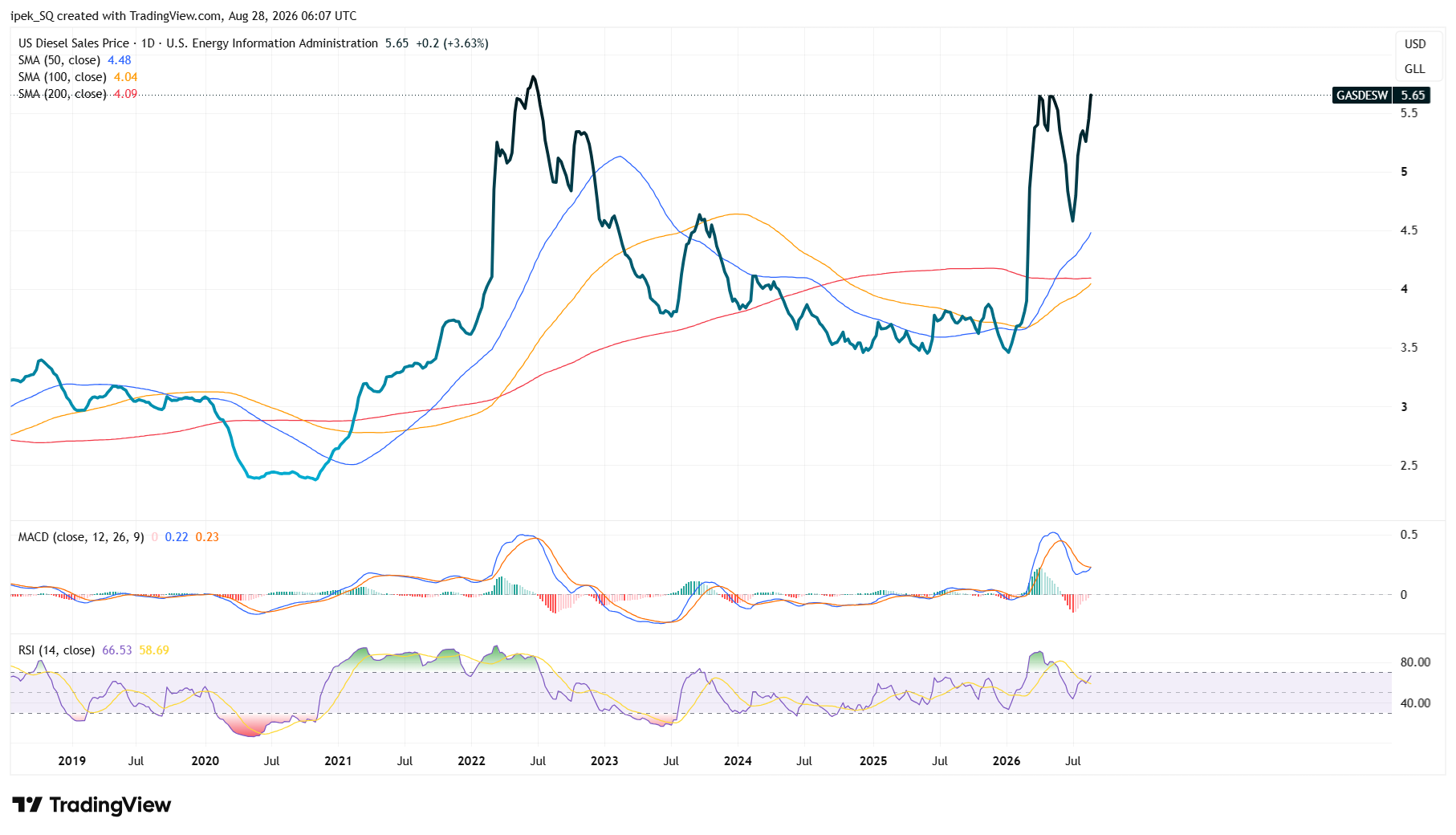
Hence, the positive pressure on energy prices keeps inflation tensions well alive, especially after several reports confirmed this week that inflation around the world keeps climbing – normal, energy prices echo through many industries, goods and services prices.
The latter reinforces hawkish central bank expectations around the globe, but not with the same confidence. The European Central Bank (ECB), the Reserve Bank of Australia (RBA) and the Reserve Bank of New Zealan (RBNZ) signal they could tighten more to tame price pressures, the Bank of Japan (BoJ) is obliged to normalise sooner rather than later to slow the yen’s bleeding, while the Bank of England (BoE) is somewhere in the middle, walking a fine line between a fragile economic outlook and a disturbing cost-of-living crisis.
As for the Federal Reserve (Fed), we don’t know! We’ve never known this little.
Jackson Hole.
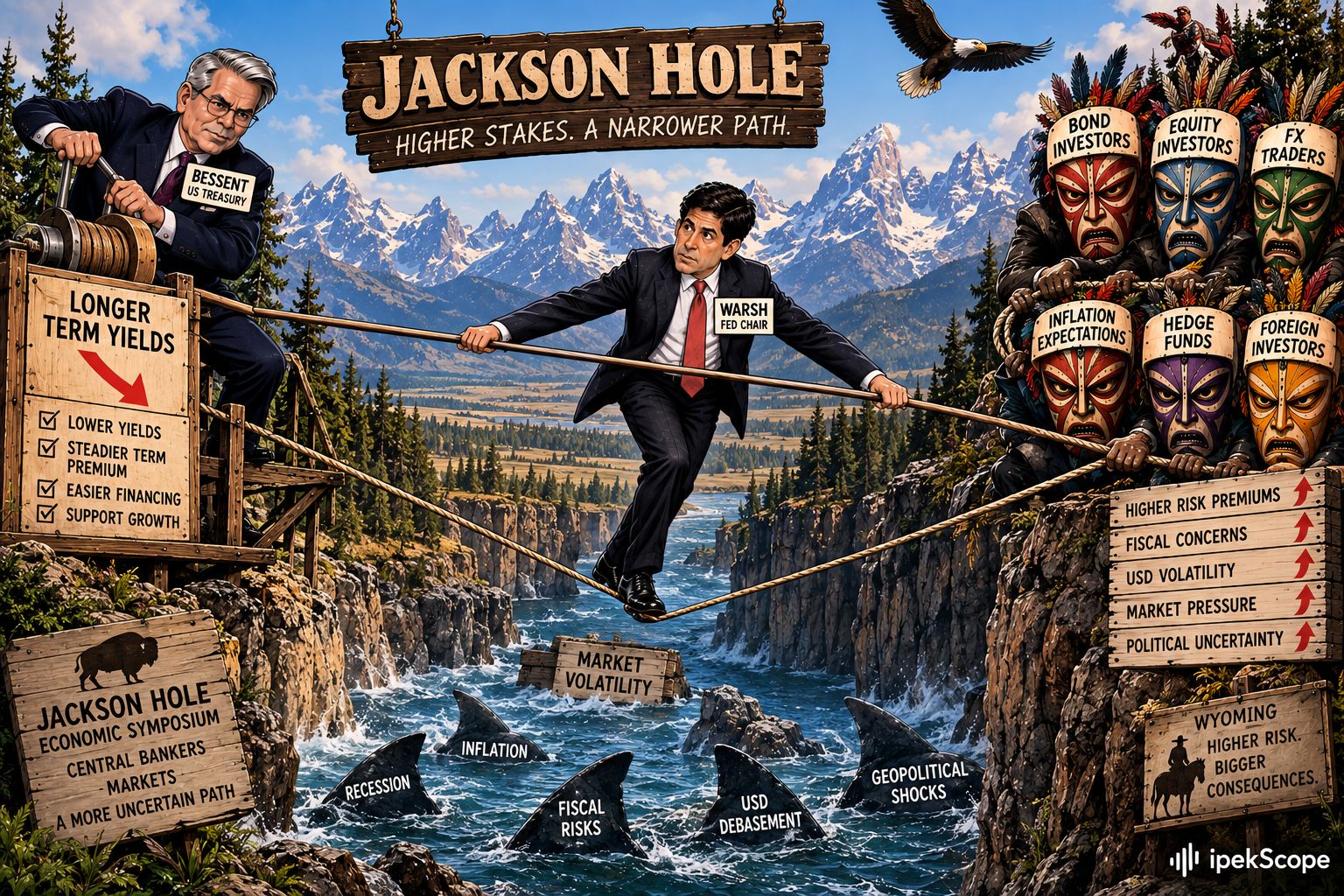
So today, all eyes are turning to the Jackson Hole meeting, where the annual economic policy symposium brings together some of the world’s most influential central bankers, policymakers and economists. Federal Reserve (Fed) Chair Kevin Warsh will deliver the traditional keynote address in the morning, and history tells us that these speeches can matter.
Jackson Hole has, at times, been the stage for major shifts in Fed communication and policy guidance. Ben Bernanke used his 2010 speech to signal that the Fed was prepared to provide additional monetary stimulus (yay!), while Jerome Powell’s famously short and forceful 2022 address made it crystal clear that the Fed would keep tightening policy even at the cost of some economic pain (nay...).
So yes, Jackson Hole speeches can be pivotal, game-changing – and this one could be particularly important, because:
- It will be Kevin Warsh’s first as Fed Chair, at a time when inflation remains stubbornly above target and long-term yields have been under pressure.
- Kevin Warsh is trying to change the way the Fed functions and communicates its policy to the market (or whether it communicates at all!).
- Investors are questioning, since Treasury announced last week that it would increase its longer-term bond buybacks to tame borrowing costs, how the Fed will respond to the Treasury’s intervention in the bond market, which – if successful – could interfere with the Fed’s policy path and the transmission of its policy to the economy.
So the stakes are high. Kevin Warsh must say something, and what he says – or doesn’t say – will probably move the market, potentially in a considerable way.
In the scenario where Kevin Warsh seeks to regain credibility regarding his willingness to pursue his dual mandate of keeping inflation and unemployment in a sweet balance, and reiterates his determination to bring inflation back to 2%, hawkish Fed expectations would increase, pushing the short end of the US yield curve and the US dollar higher, and equities lower. That’s not cool for stock investors. The bright side is that a firm stance on inflation could limit the upside in longer-term yields by anchoring inflation expectations, even as the front end moves higher, and not be that bad for equity valuations, where longer-term borrowing costs matter to companies (hence to investors!).
In the opposite scenario, if Warsh chooses to remain mysterious and keep his road map to himself, or worse, stays silent in the face of Treasury’s strategy, which interferes with his own plan, credibility issues would rise further, and the latter could trigger renewed selling pressure on the US dollar and longer-maturity bonds. We may see short-term yields fall on softening Fed expectations; the latter could support equity valuations, but be careful!
Stocks may rally, but...
Treasury’s action plan – announcing higher 10–30y bond buybacks – partially worked by pulling the 10–30-year portion of the yield curve lower: the so-called ‘Bessent put’ effect. Traders reckoned that there would be a big buyer in the market and didn’t want to swim against the tide. The US 30-year yield retreated before retracing some of that move. Given the fiscal situation, I can’t say that yields will finally come lower, but Treasury’s intervention will certainly help ease the selling pressure.
That, in turn, could help tame the upside pressure in yields (again, I am not saying reverse but tame!), but by doing so, maintain pressure on inflation – yes, the looser the financial conditions, the higher the pressure on prices!
And that’s a problem, see. When stock prices rise along with inflation, an increasing part of the return only covers the loss of purchasing power due to inflation. So rising stock prices don’t guarantee a positive – and attractive – real return anymore.
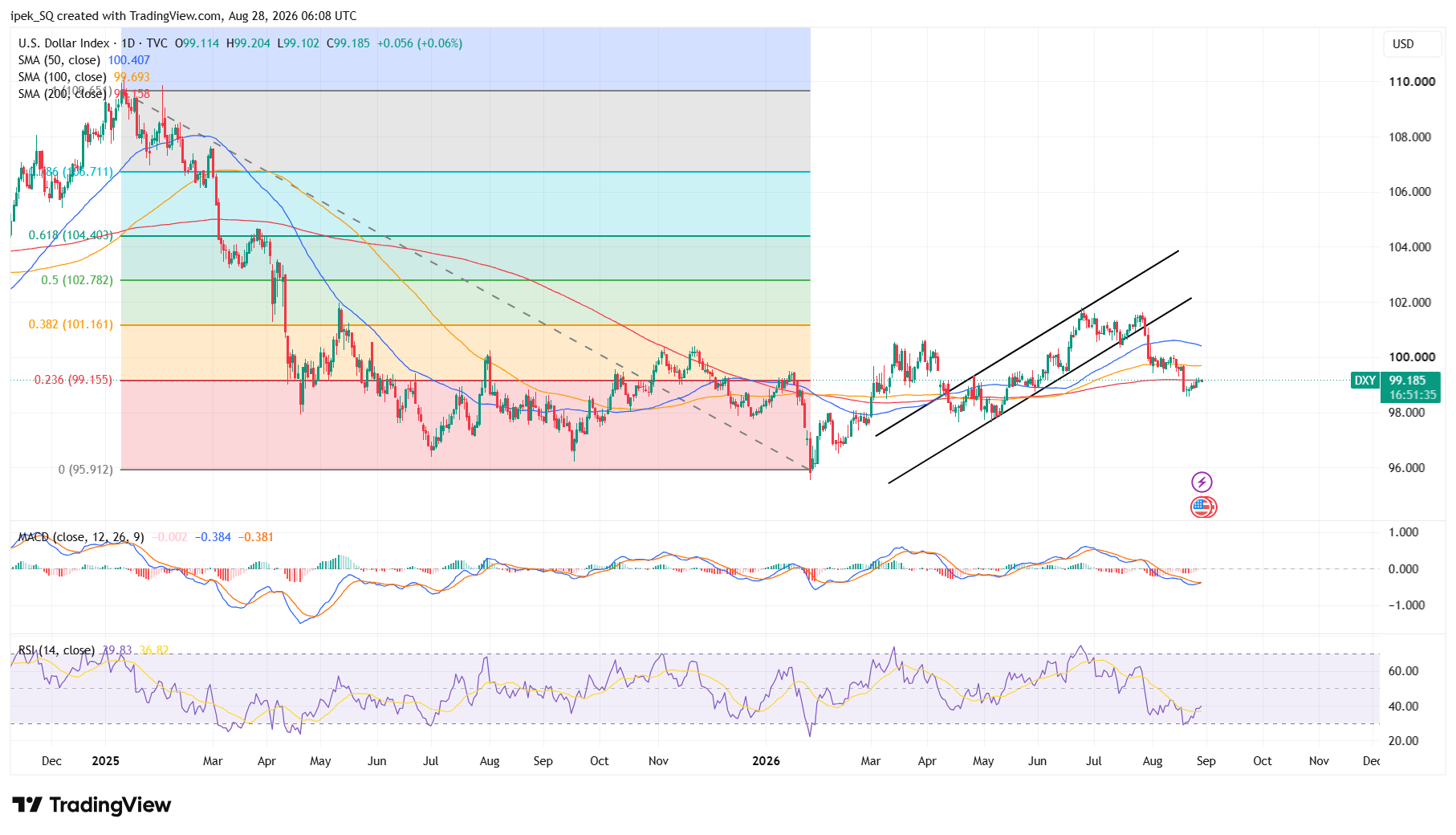
If you add to that the debasement trade – which weighs on the US dollar outlook in the longer run – US stock markets become much less interesting for foreign investors when filtering out inflation and USD depreciation.
I did the math. Last year, the S&P 500 gained around 18% including dividends. Sounds great. For an investor who sits in Europe, however, the dollar’s depreciation against the euro pulled that return down to around 4%. Take out inflation, and that spectacular 18% return shrinks to around 2% in real euro terms. That compares with a nearly 17% return in the Stoxx 600 over the same period, which, adjusted for inflation, still leaves a return well into double digits.
The story is similar for Swiss investors. The dollar’s roughly 12–13% depreciation against the franc ate up most of the S&P 500’s gain, leaving a return of only around 3% in CHF terms before inflation. Take out Swiss inflation and the real return falls slightly further. Meanwhile, your boring SMI (sorry!) gained more than 14%.
So no, it’s not that simple – otherwise everyone could become a Treasury secretary or a central banker, right?
Financial markets are walking a fine balance. Break the equilibrium and you’re in trouble.
Ok, that’s all from my side. Let’s see what Warsh says.
The content of this website is for informational purposes only and does not constitute financial advice. All opinions expressed are solely my own and should not be considered as recommendations to buy, sell or hold any financial instruments. Readers should consult a qualified financial advisor before making any investment decisions.
With love,
Ipek Ozkardeskaya