
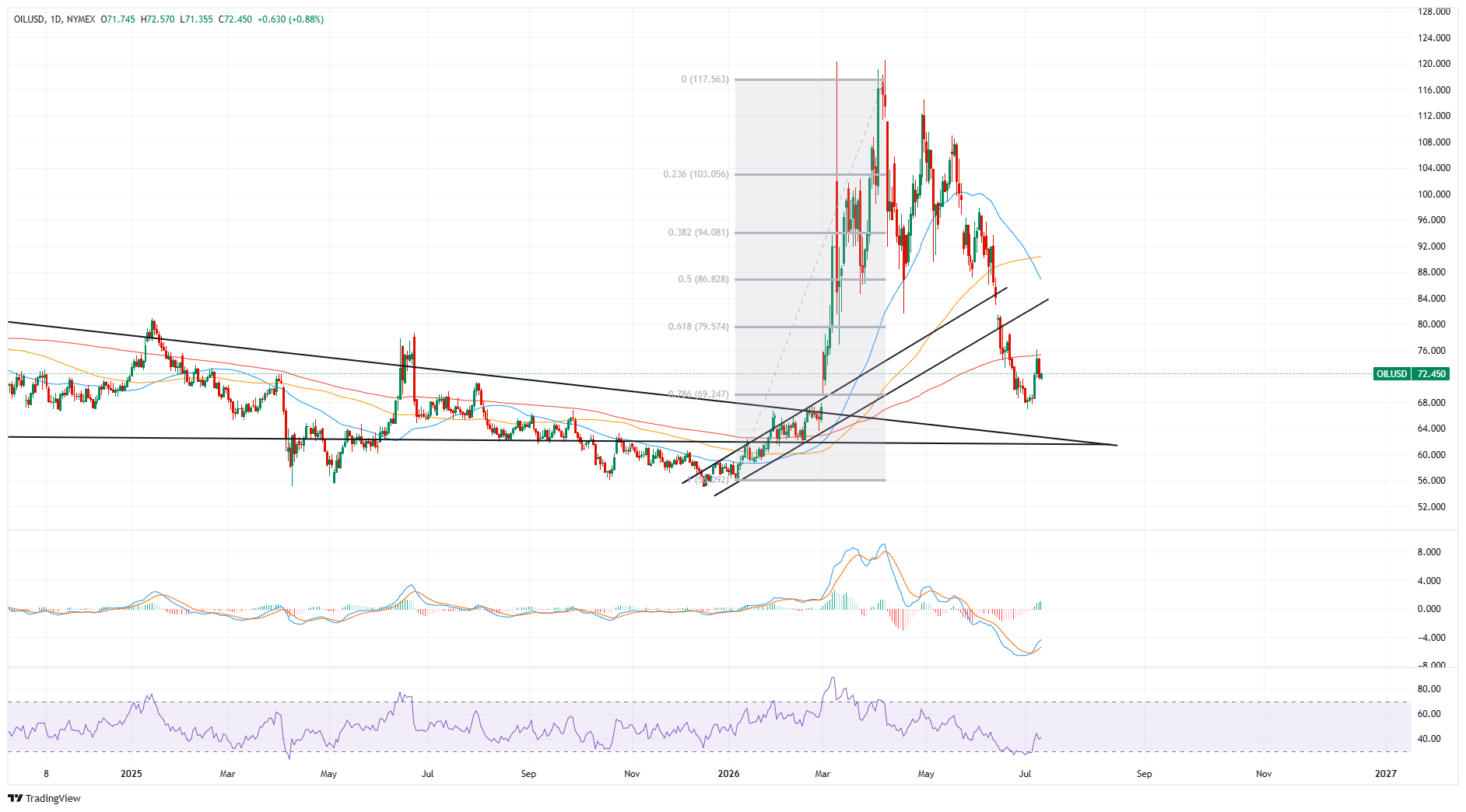
The spike in oil prices remained contained this week, even though traffic through the Strait of Hormuz came to a near halt again. The ceasefire is in jeopardy, but the technical talks between the US and Iran aimed at finding peace in this complex Middle East geopolitical landscape will continue. The latter – along with the supply glut in some key markets – helped keep oil prices in check. US crude eased 4% yesterday, pulling back after testing its 200-day moving average in previous sessions, and is consolidating near the $72.50pb level this morning.
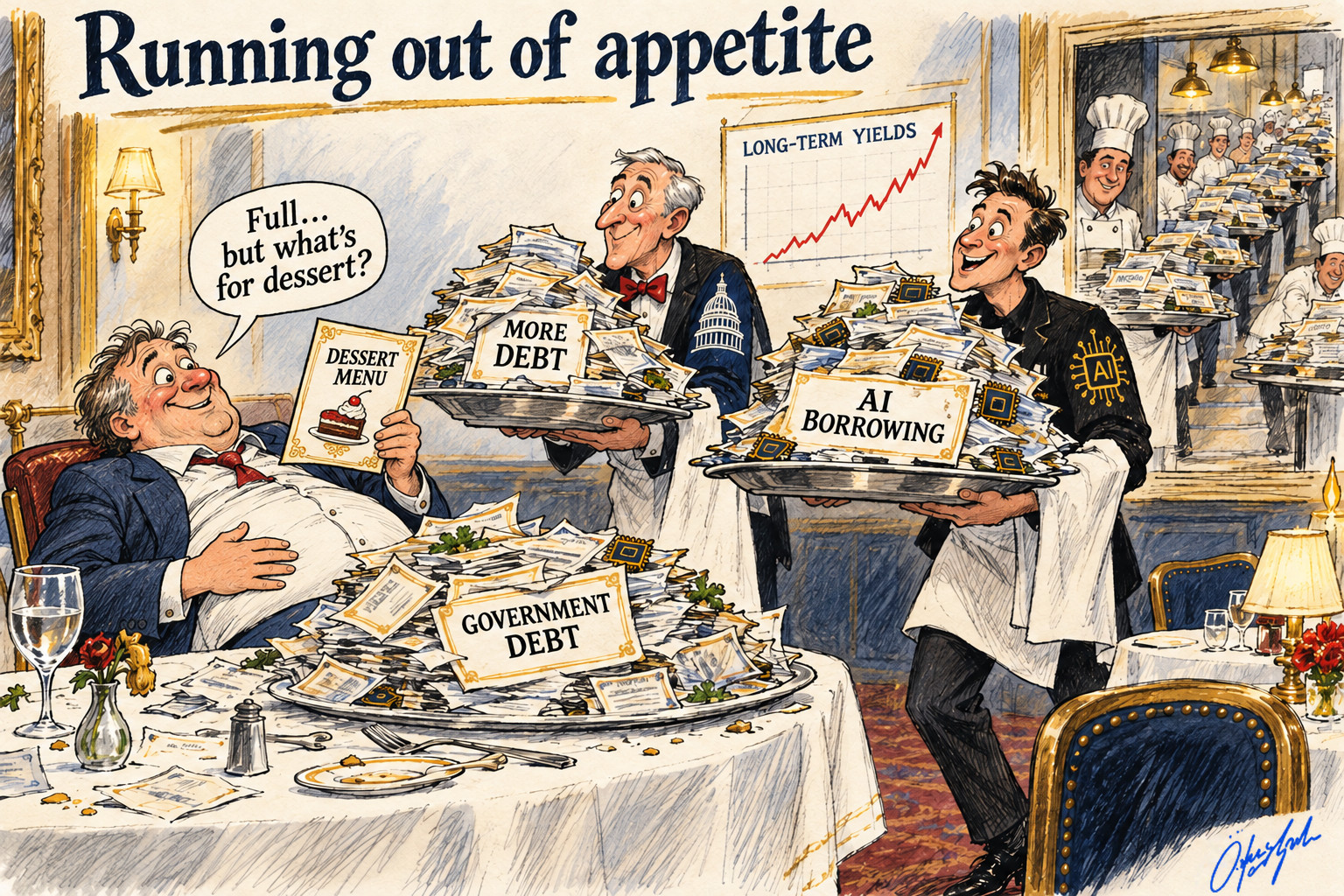
Global yields are moving lower on relief that the latest spike in energy prices won't reverse the recent pullback. The Japanese 10-year yield fell more than 10bp today to below 2.80%, despite a rise in June producer price inflation to above 7% — showing just how strongly energy prices are driving market moves right now. Meanwhile, Japanese Finance Minister Katayama said the government is willing to encourage pension funds to invest more in domestic assets — exactly the kind of news global investors hate to hear. A sizeable repatriation of funds by major Japanese investors, such as pension funds, is precisely what could trigger a reverse carry trade in yen positions, threatening global risk appetite.
But not today. The USDJPY is sharply lower, trading around 161.50, supported by the strong PPI reading but also by a broad-based pullback in the US dollar following easing oil prices and fading concerns over further escalation in the Middle East. Those concerns could return at any time.
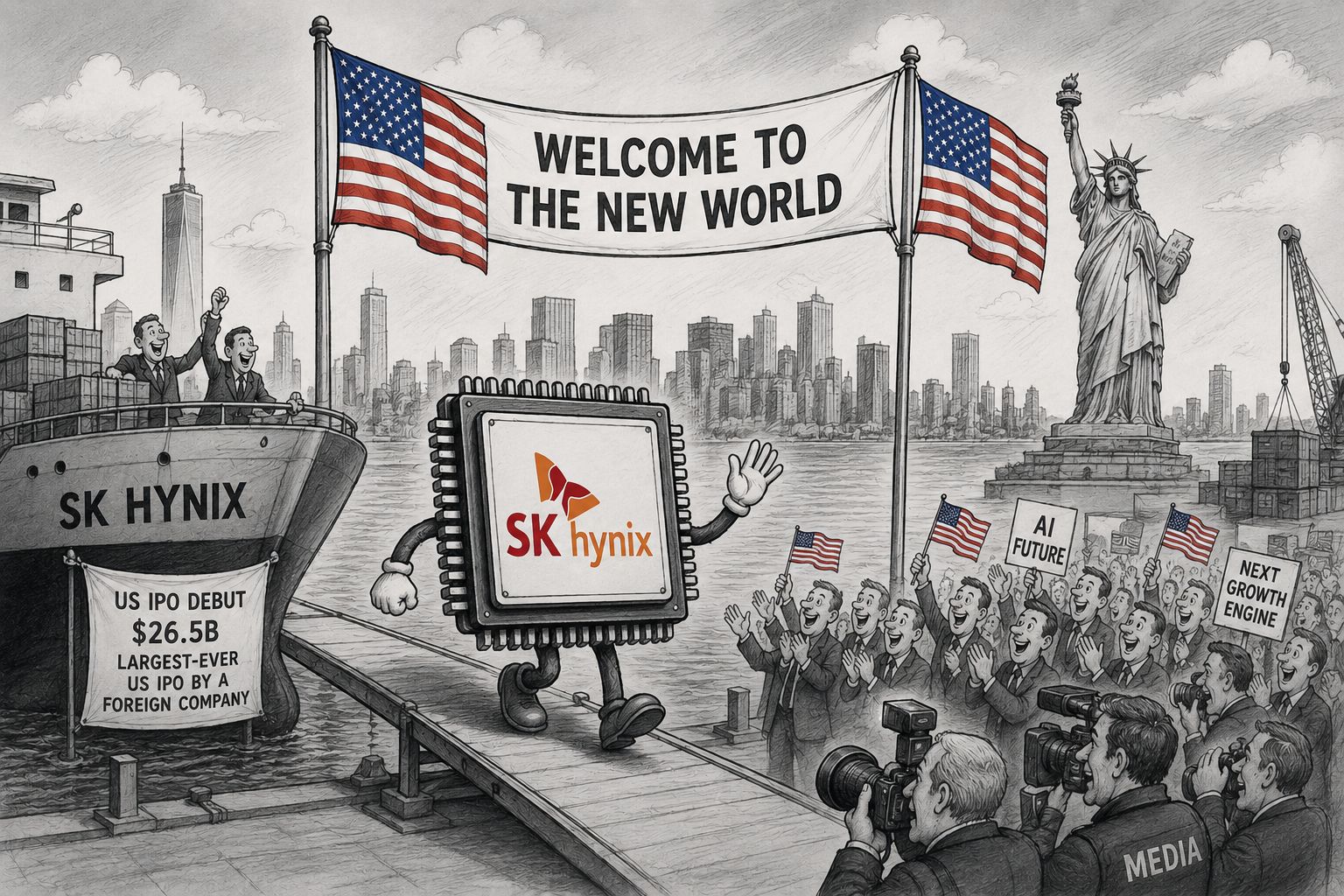
But today, the Kospi is up nearly 5%, licking its wounds after a 25% selloff in just three weeks, on hopes that SK Hynix's ADR debut in the US will be strong. Very strong. The company's American Depositary Receipts were priced at $149 each, pointing to a $26.5bn debut today. That's larger than Alibaba's $25bn debut back in September 2014, making it the largest-ever US IPO by a foreign company. SK Hynix's shares are up 3.75% in South Korea.
Elsewhere, investor sentiment has improved on the last trading day of a hectic week. Remember, we kicked off the week with rising geopolitical tensions and a negative reaction to Samsung's jaw-droppingly strong results.
Major European and US indices were better bid yesterday as yields declined. Technology stocks led the gains. I believe that's because there is currently more volatility than fresh news in the tech space.
Futures are flat into European open.
On the other side of the world, Chinese technology companies extended their early-month advance, with the Hang Seng Index up 1.86% at the time of writing. Chinese chipmakers are leading gains on the government's ambitions to build AI infrastructure, but also on rising expectations that Chinese chipmakers will be allowed to sell more chips to foreign companies after memory chip prices surged among traditional suppliers. Apple was reportedly seeking approval to source memory chips from China amid squeezed margins.
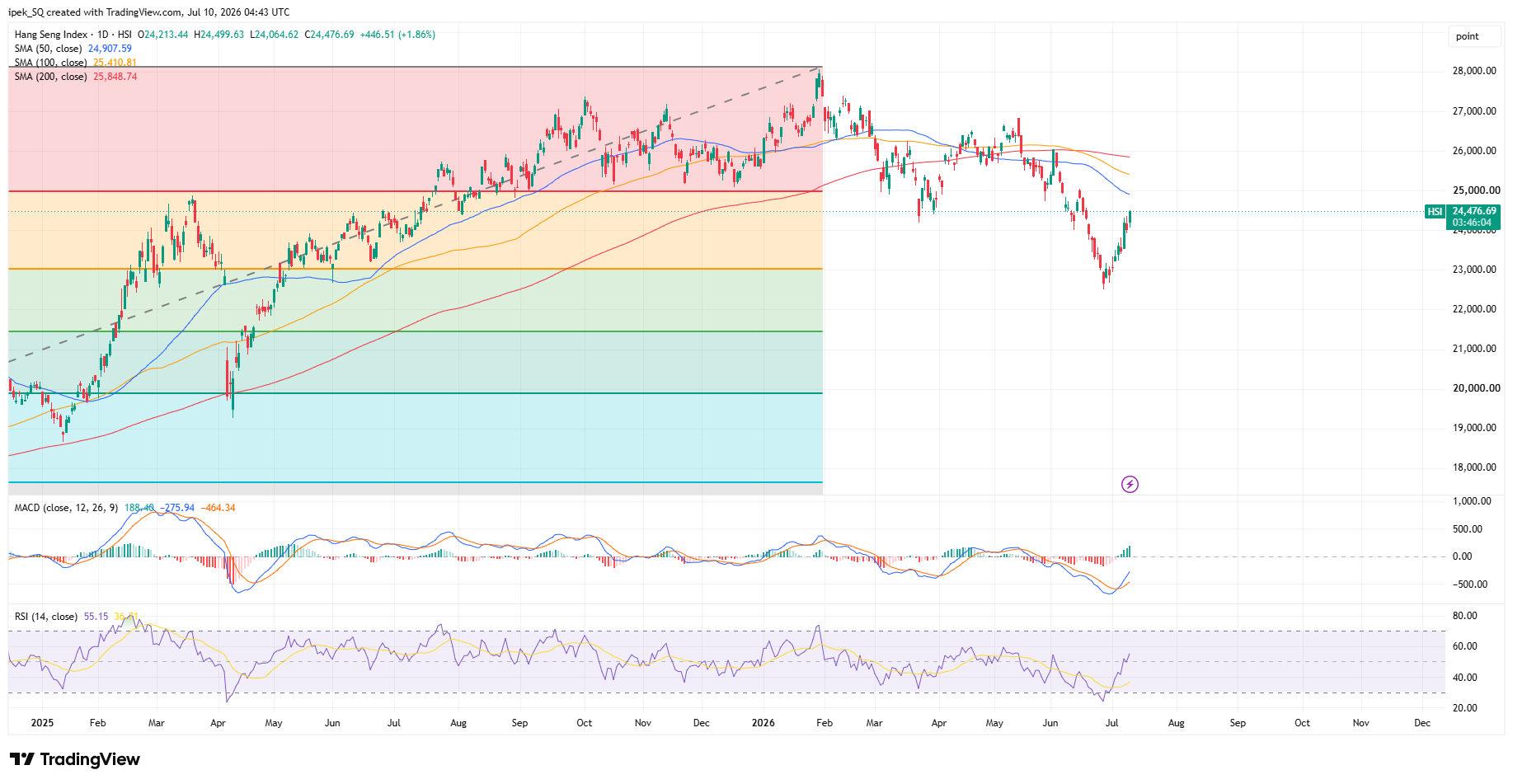
If the Chinese convergence trade continues, there is room for further gains given the valuation gap between Chinese technology companies and their Western peers. I said it yesterday, and I'll repeat it today: the Hang Seng's PE ratio stands at 12.53, with a price-to-sales ratio of 1.38, while the Nasdaq 100 trades at a PE ratio of 37.47 — roughly three times higher — and a price-to-sales ratio of 6.23, around 4.5 times that of the Hang Seng. Investors are willing to pay more than four-and-a-half times as much for each dollar of revenue generated by a Nasdaq 100 company as they are for one in the Hang Seng Index. Poor Chinese consumer health, a severe property crisis and alarming demographics, along with the government’s terrible track record in the past – are responsible for the price gap. Whether investors could look past the two-speed Chinese growth is to be seen.
Into the Earnings Season
If investors are willing to pay that much for US companies, it's because their earnings are strong and may have remained resilient despite the latest market jitters. That's exactly what expectations for the upcoming earnings season suggest.
According to FactSet, S&P 500 companies are expected to post 22.5% earnings growth in the second quarter — a period marked by surging energy prices due to the Iran war, rising inflation expectations and higher bond yields.
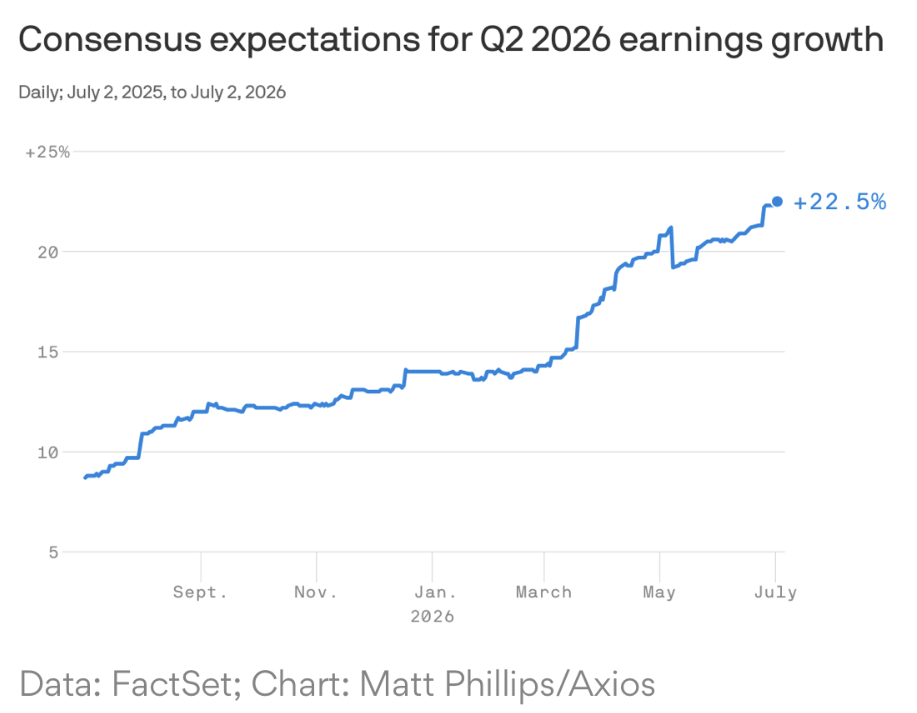
But there is a catch. The energy sector is expected to deliver earnings growth of 121%, thanks to the surge in energy prices, while the technology sector is expected to post earnings growth of 62%, driven by AI-related activity.
The rest of the industries may be less fortunate. PepsiCo, for example, fell more than 3% yesterday after warning that "consumers are increasingly laying off impulse purchases in convenience stores, where we've seen a correlation with what would-be buyers are paying at the pump." In simpler terms, higher fuel prices discouraged consumers from buying that extra PepsiCo drink, and the company's sales failed to grow as much as management had hoped despite its price-cutting strategy. I suspect we'll hear similar messages from many companies this earnings season.
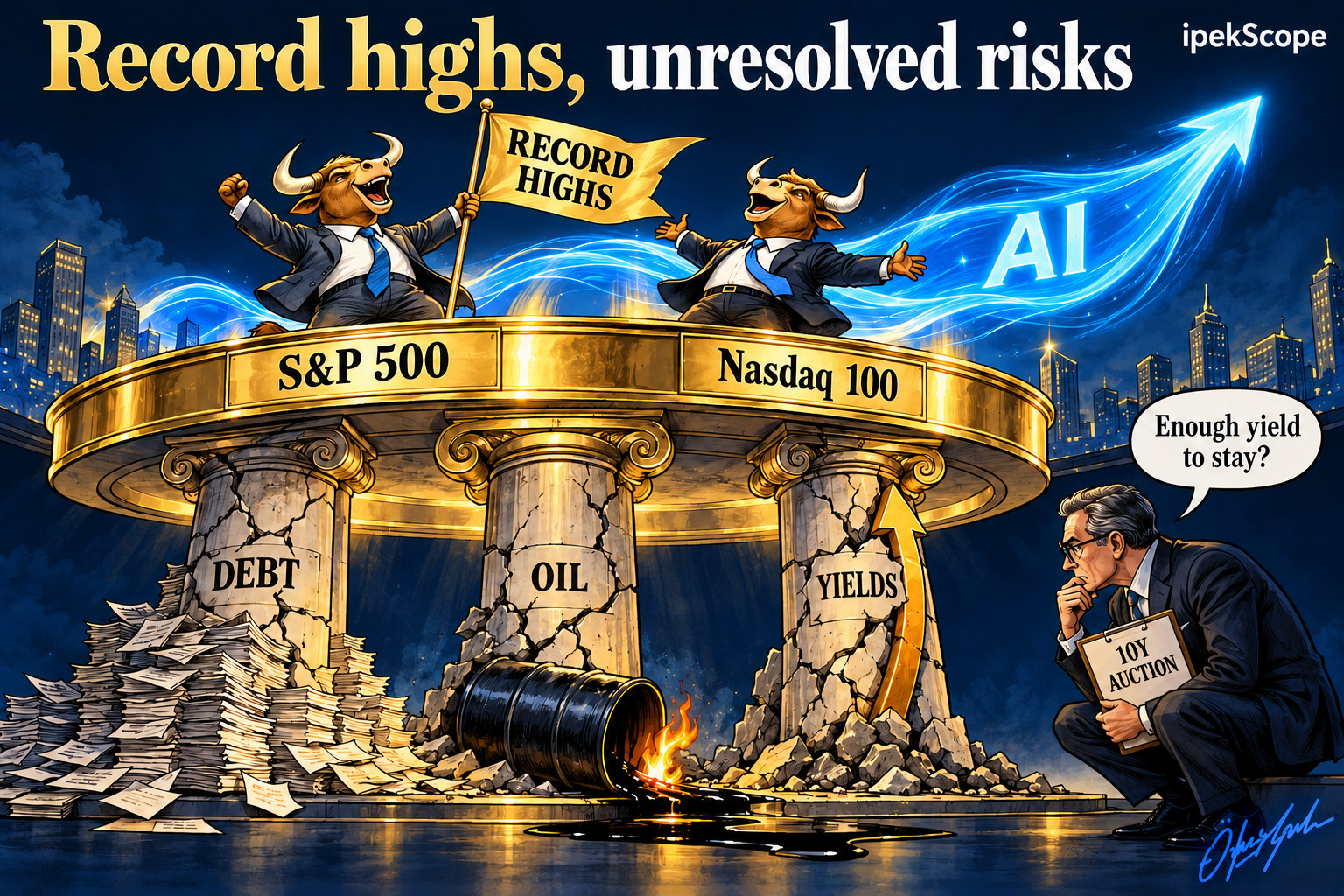
Does it matter if tech feels better? I'm not so sure. The AI enablers have been largely responsible for the strong earnings growth since 2023, as massive AI spending — particularly by Big Tech companies — flows directly into the pockets of semiconductor companies.
Generational transfer in FCF
A recent Bank of America chart making the rounds among investors is ringing alarm bells. It shows how quickly hyperscalers' free cash flow has been — and is expected to continue — flowing into the semiconductor industry through relentless AI infrastructure spending.
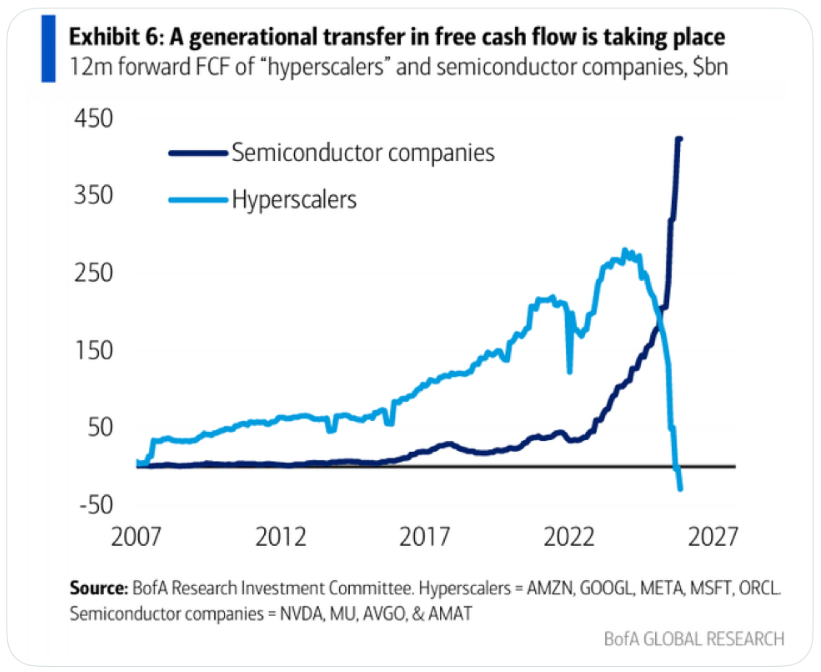
The problem is that hyperscalers are the semiconductor companies' biggest customers — they're the ones buying the chips. And if their free cash flow keeps shrinking, important questions emerge:
- Is the AI buildout generating sufficient returns — and doing so quickly enough — to justify the cash burn and increasingly leveraged balance sheets?
- Has the chipmakers' boom come at the expense of their biggest customers' balance sheets?
If the answer is yes, can the chipmakers' boom continue, and if so, for how long?
Time will tell.
Today, SK Hynix may provide an early answer to my earlier question: how much additional value can the company extract from the US market, given that its share price in South Korea has already risen by more than 1,700% in little over a year?
The content of this website is for informational purposes only and does not constitute financial advice. All opinions expressed are solely my own and should not be considered as recommendations to buy, sell or hold any financial instruments. Readers should consult a qualified financial advisor before making any investment decisions.
With love,
Ipek Ozkardeskaya